Copenhagen: A Design-Forward Christmas — 3-Day Hygge Itinerary
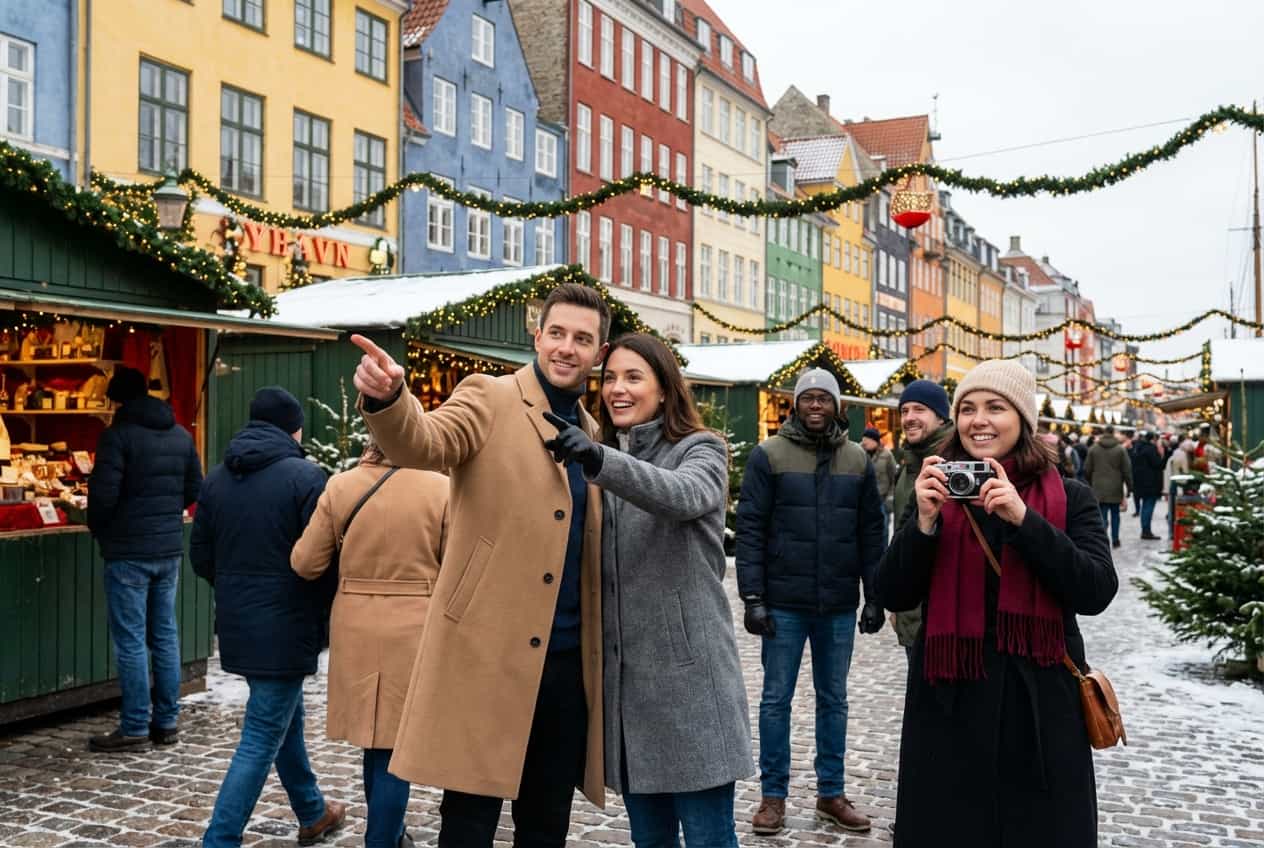
A 3-day winter itinerary for design enthusiasts who want curated museum visits, showrooms, artisan workshops and considered architecture — all wrapped in Danish hygge and Christmas light. Prioritizes authentic design houses, local makers, studio visits and seasonal experiences rather than tourist traps.
Highlights
- Designmuseum Danmark: curated Danish modern design and special Christmas-season displays
- Hands-on porcelain painting at Royal Copenhagen flagship
- Architecture and public art: BLOX/Danish Architecture Center and Superkilen
- Contemporary installation art at Copenhagen Contemporary on Refshaleøen
- Day trip to Louisiana Museum of Modern Art with winter light and sculpture park
- Evenings of warm Christmas lighting at Tivoli and hygge dinners in well-designed Nordic restaurants
Explore all itineraries in Copenhagen.
Itinerary
Day 1
Intro to Danish design: museums, flagship stores, a hands-on porcelain session and Tivoli's Christmas lights for an atmospheric evening.
Designmuseum Danmark — Core collection and holiday displays
Start at the national design museum to ground your trip in Danish modernism and seasonal exhibits focused on craft and ornament. Focus on the furniture and product-design galleries and the museum shop for curated gifts.
- MondayClosed
- Tuesday10:00 AM – 6:00 PM
- Wednesday10:00 AM – 6:00 PM
- Thursday10:00 AM – 8:00 PM
- Friday10:00 AM – 6:00 PM
- Saturday10:00 AM – 6:00 PM
- Sunday10:00 AM – 6:00 PM
Tips from local experts:
- Ask a curator about Danish mid‑century pieces (specifically Kaare Klint, Finn Juhl and Arne Jacobsen) — they sometimes show original sketches in winter displays.
- Photograph the cabinets with diffused window light — December’s low sun gives soft, directional light ideal for details.
- Check opening hours and prebook timed tickets (short daylight means popular slots fill midday); the museum is step-free via the main entrance for studio bags and larger sketchbooks.
Light lunch & browsing — Illums Bolighus (concept shopping) or Atelier September
Pair a short food stop with a browse at Illums Bolighus for premium Danish housewares and seasonal gift displays; alternatively choose Atelier September for a design-forward, cozy café lunch.
- Monday10:00 AM – 8:00 PM
- Tuesday10:00 AM – 8:00 PM
- Wednesday10:00 AM – 8:00 PM
- Thursday10:00 AM – 8:00 PM
- Friday10:00 AM – 9:00 PM
- Saturday10:00 AM – 7:00 PM
- Sunday10:00 AM – 7:00 PM
Tips from local experts:
- If you want curated design objects and Christmas gift ideas, head straight to Illums Bolighus' Danish design section — staff can point out limited seasonal collaborations.
- For café hygge, sit near the window at Atelier September for indirect light and great street views useful for sketching shopfront compositions.
- If carrying purchases, ask shop staff for compact gift packaging — many Danish design stores offer tidy wrapping suited for checked luggage.
Normann Copenhagen & HAY House showrooms — contemporary Danish brands
Visit flagship showrooms to see furniture, lighting and home accessories arranged as small interiors — great for studying material palettes and holiday pop-ups.
- Monday11:00 AM – 5:00 PM
- Tuesday11:00 AM – 5:00 PM
- Wednesday11:00 AM – 5:00 PM
- Thursday11:00 AM – 5:00 PM
- Friday11:00 AM – 5:00 PM
- Saturday11:00 AM – 4:00 PM
- SundayClosed
Tips from local experts:
- Ask showroom staff about the production stories behind signature pieces — designers or reps often share batch/finish details not on labels.
- Take note of textile swatches (sample books are usually available) — bring a small fabric notebook for color/material swatches.
- Showrooms are calmer late afternoon; if you want quieter viewing, visit morning openings or ask to book a short guided walk-through.
Royal Copenhagen — Porcelain painting workshop (intro session)
A hands-on porcelain-painting experience at the Royal Copenhagen flagship: learn traditional brushwork and paint a small ornament — a tactile holiday keepsake.
- Monday10:00 AM – 6:00 PM
- Tuesday10:00 AM – 6:00 PM
- Wednesday10:00 AM – 6:00 PM
- Thursday10:00 AM – 6:00 PM
- Friday10:00 AM – 6:00 PM
- Saturday10:00 AM – 5:00 PM
- Sunday11:00 AM – 3:00 PM
Tips from local experts:
- Book this workshop in advance — December workshops are limited and double as popular Christmas gifts.
- Bring a small sketch of your motif; the staff will help transfer it to porcelain and suggest glaze/thickness adjustments for winter lighting.
- If you have mobility needs or heavy purchases, note the shop and workshop are on flat street level at Amagertorv — request a spot near the entrance.
Coffee break and quiet sketching — The Coffee Collective (Torvehallerne)
Recharge with a seasonally spiced coffee and use the market hall light for sketching small details of packaging and ceramics.
- Monday7:00 AM – 8:00 PM
- Tuesday7:00 AM – 8:00 PM
- Wednesday7:00 AM – 8:00 PM
- Thursday7:00 AM – 8:00 PM
- Friday7:00 AM – 8:00 PM
- Saturday8:00 AM – 7:00 PM
- Sunday8:00 AM – 7:00 PM
Tips from local experts:
- Torvehallerne has great natural light earlier in the day; choose a seat near the windows for drawing tableware silhouettes.
- Buy a small baker’s paper bag of local cookies or a wrapped Christmas pastry as inspiration for packaging studies.
- If you want to meet local designers, the market attracts independent food and design entrepreneurs on weekends — arrive slightly before midday for best encounters.
Walk/transfer to Tivoli Gardens — city center stroll
Short, atmospheric walk (or Metro ride) to Tivoli — spot small design-focused shop windows and holiday street displays en route.
Tips from local experts:
- Walk via Strøget for curated window displays by local brands; in December many design shops window-dress with limited-edition objects.
- Take the covered pedestrian route where possible to avoid wind — carry a compact umbrella or layer a wool scarf for hygge comfort.
- If you prefer transit, take Metro or buses to Tivoli’s central station entrance to avoid the busiest pedestrian corridors.
Tivoli Gardens — Christmas lights, installations and dinner (evening)
Experience Tivoli's meticulously designed holiday lighting, seasonal installations and artisan Christmas market stalls. Finish with a hygge dinner at one of Tivoli's restaurants or a seated snack and mulled wine while enjoying seasonal music.
- Monday11:00 AM – 10:00 PM
- Tuesday11:00 AM – 10:00 PM
- Wednesday11:00 AM – 10:00 PM
- Thursday11:00 AM – 10:00 PM
- Friday11:00 AM – 12:00 AM
- Saturday11:00 AM – 12:00 AM
- Sunday11:00 AM – 10:00 PM
Tips from local experts:
- Focus on the curated light installations and craft stalls rather than rides — Tivoli’s seasonal scenography showcases floral and lighting designers.
- For design-minded photos, arrive after dusk when Christmas lighting is fully revealed but before peak crowds (around 18:00–19:00 on weekdays).
- Reserve a table at a quieter restaurant inside Tivoli or enjoy takeaway mulled wine while seated at one of the covered pavilions for that warm ‘hygge’ feeling.
Day 2
Architecture, public art and contemporary installation: BLOX/Danish Architecture Center, Superkilen and Copenhagen Contemporary with evening showroom visits and a design-forward dinner.
Danish Architecture Center (DAC) — exhibitions & seasonal programs
Explore exhibitions about urban design, architecture and seasonal installations; start with the DAC’s current exhibitions and the building’s architectural details at BLOX.
- Monday10:00 AM – 9:00 PM
- Tuesday10:00 AM – 6:00 PM
- Wednesday10:00 AM – 6:00 PM
- Thursday10:00 AM – 9:00 PM
- Friday10:00 AM – 6:00 PM
- Saturday10:00 AM – 6:00 PM
- Sunday10:00 AM – 6:00 PM
Tips from local experts:
- Check DAC’s schedule for short talks or guided tours focused on winter city design — these often highlight public-space interventions.
- Study the BLOX building’s concrete and timber junctions for material details; the elevated viewpoints are great for urban composition sketches.
- DAC has lockers and accessible facilities — useful if you’re carrying portfolios or purchases from stores earlier in the day.
Lunch at BLOX Café — designed interiors and harbor views
A short, design-conscious lunch at the BLOX café with harbor views — good for discussing urban-readings and sketching facades.
- Monday10:00 AM – 6:00 PM
- Tuesday10:00 AM – 6:00 PM
- Wednesday10:00 AM – 6:00 PM
- Thursday10:00 AM – 9:00 PM
- Friday10:00 AM – 6:00 PM
- Saturday10:00 AM – 6:00 PM
- Sunday10:00 AM – 6:00 PM
Tips from local experts:
- Request a seat near the windows to capture the harbor light and reflections useful for material studies.
- Try seasonal menu items; Nordic winter produce is showcased in small plates ideal for shared tasting.
- The café is a regular meeting spot for architects and designers — arrive early to spot local practitioners and network.
Transfer to Superkilen (Nørrebro) — public art walk
Short transit to Nørrebro to explore Superkilen — a curated public park of monuments, objects and surfaces from around the world — an excellent case study in placemaking and social design.
Tips from local experts:
- Use the Metro to Nørrebro Station or a short Lyft/bike; December can be windy — wear layered outerwear for the open park.
- Bring a small ruler or phone camera grid to study scale relationships between objects and neighbouring buildings.
- Walk the park’s three zones (Red, Black, Green) in sequence to understand how color and material guide social behaviour in urban design.
Superkilen Park — public art & urban materials study
Explore the park’s curated objects and surfacing — ideal for sketching contrasts, photographing signage and discussing how civic design can foster inclusion.
- MondayOpen 24 hours
- TuesdayOpen 24 hours
- WednesdayOpen 24 hours
- ThursdayOpen 24 hours
- FridayOpen 24 hours
- SaturdayOpen 24 hours
- SundayOpen 24 hours
Tips from local experts:
- Focus on photographing details (benches, signage, paving) at eye level for texture studies; avoid noon when harsh overhead light flattens surfaces.
- Look for the unusual global objects (e.g., Moroccan fountain, Russian neon signs) and note how they are recontextualized — great conversation starters with designers.
- If it’s snowing, compare how different surface materials hold snow — useful for material selection discussions for northern climates.
Transfer to Refshaleøen — Copenhagen Contemporary
Cross the harbour to Refshaleøen for a contemporary installation art centre showcasing large-scale works and experimental commissions — inspiring for spatial design thinking.
Tips from local experts:
- Take the harbor bus (Line 991/992) for a scenic transfer and to observe Copenhagen’s waterfront industrial-to-cultural transformation.
- Dress warmly — Refshaleøen can be exposed and cold in December; bring an insulated layer for outdoor walks between venues.
- Arrive slightly before the exhibition opening to see how the weekend light interacts with large-scale installations.
Copenhagen Contemporary — large-scale installation viewing
Spend the afternoon with contemporary, often immersive installations. Pay attention to material choices and spatial choreography — excellent stimulus for designers.
- MondayClosed
- Tuesday11:00 AM – 6:00 PM
- Wednesday11:00 AM – 6:00 PM
- Thursday11:00 AM – 9:00 PM
- Friday11:00 AM – 6:00 PM
- Saturday11:00 AM – 6:00 PM
- Sunday11:00 AM – 6:00 PM
Tips from local experts:
- Check the current installation’s recommended viewing order — some works are durational and require timed entry or quieter periods.
- Note construction details: many installations reveal scaffolding and joinery methods which are instructive for applied design.
- If the building is cold inside, the centre often provides cloaking space for coats; this is handy when sketching on-site.
Showroom stroll — FRAMA and local studio shops in Christianshavn
Return toward central Copenhagen and visit FRAMA and neighboring showrooms known for restrained materials and well-curated objects.
- Monday10:00 AM – 5:00 PM
- Tuesday10:00 AM – 5:00 PM
- Wednesday10:00 AM – 5:00 PM
- Thursday10:00 AM – 5:00 PM
- Friday10:00 AM – 5:00 PM
- Saturday10:00 AM – 3:00 PM
- Sunday10:00 AM – 3:00 PM
Tips from local experts:
- FRAMA’s shop is intentionally minimal — spend time on material samples and scent choices; smell and tactility are part of their design language.
- Ask staff about limited runs and small-batch collaborations that make excellent holiday gifts with provenance.
- Many showrooms have modest openings for after-work visits — check if there’s a short tour or a designer drop-in on the day you visit.
Dinner at Restaurant Radio — seasonal Nordic tasting in a considered interior
An evening meal in a restaurant known for seasonal produce and an interior that respects material and light — a calming, design-focused dinner to close the day.
- MondayClosed
- Tuesday5:30 PM – 12:00 AM
- Wednesday5:30 PM – 12:00 AM
- Thursday5:30 PM – 12:00 AM
- Friday5:00 PM – 12:00 AM
- Saturday5:00 PM – 12:00 AM
- SundayClosed
Tips from local experts:
- Reserve a table in advance and request a window seat for soft winter light and street views.
- Discuss the plating and table settings with staff — Nordic restaurants often collaborate with local ceramicists and textile makers (a good conversation starter).
- If you have specific texture or lighting interests, ask the sommelier or manager about the interior designers who worked on the space.
Day 3
Museum daytrip to Louisiana for modern art and architecture, then a final round of Copenhagen showrooms and a seasonal, hygge-focused dinner.
Transfer to Humlebæk — train to Louisiana Museum of Modern Art
Morning train to Humlebæk; travel along the coast to experience Denmark’s winter light on the Øresund and arrive at Louisiana refreshed for the gallery visit.
Tips from local experts:
- Take the Øresundståg or local regional train from Copenhagen Central; bring a warm scarf — the coastal breeze is sharper in December.
- Buy return tickets on the DSB app to avoid queuing at smaller Humlebæk stations in low daylight hours.
- Sit on the right-hand side of the train heading north for the best coastal views that are great source material for landscape and light studies.
Louisiana Museum of Modern Art — collections, sculpture park & winter light
Explore post-war to contemporary art in a subtle architectural setting with views across the sea. The winter season simplifies the palette — great for focused study.
- MondayClosed
- Tuesday11:00 AM – 10:00 PM
- Wednesday11:00 AM – 10:00 PM
- Thursday11:00 AM – 10:00 PM
- Friday11:00 AM – 10:00 PM
- Saturday11:00 AM – 6:00 PM
- Sunday11:00 AM – 6:00 PM
Tips from local experts:
- Allow time for both indoor galleries and the sculpture park; winter foliage reveals different sightlines in the grounds and seaside views.
- Study how the museum integrates architecture and landscape lighting — indoor galleries often have conserved natural light dynamics even in December.
- The museum shop has exceptional design books and editions; for designers, look for monographs and exhibition catalogs that are not available in Copenhagen stores.
Lunch at Louisiana café — seasonal menu overlooking the sea
A relaxed lunch at the museum’s café; excellent place to discuss the exhibitions and sketch compositions from the terrace.
- MondayClosed
- Tuesday11:00 AM – 9:30 PM
- Wednesday11:00 AM – 9:30 PM
- Thursday11:00 AM – 9:30 PM
- Friday11:00 AM – 9:30 PM
- Saturday11:00 AM – 5:30 PM
- Sunday11:00 AM – 5:30 PM
Tips from local experts:
- Ask for a window seat to watch low winter sun across the horizon — great for tonal studies and colour notes.
- Museums in Denmark often source local seasonal produce — ask staff about ingredient provenance for design inspiration tied to locale.
- Buy a small wrapped pastry or a booklet as a tactile design memory of the visit; the café staff can suggest packaged souvenirs that travel well.
Return transfer to Copenhagen
Train back to the city center; use the journey to review notes and plan final visits to local showrooms.
Tips from local experts:
- Review sketches and photos on the train while the light is low — editing on the go helps identify follow-up impressions to pursue in showrooms.
- Local trains have luggage racks for portfolio cases; keep small purchases accessible in a daypack for customs checks if traveling internationally later.
- If you want to continue the conversation with fellow designers met at Louisiana, exchange contact details before boarding.
Carl Hansen & Søn or Fritz Hansen showroom visit — iconic furniture craftsmanship
Visit a major furniture showroom to see craft details up close — join a short showroom talk if available to learn joinery and restoration notes.
- Monday10:00 AM – 6:00 PM
- Tuesday10:00 AM – 6:00 PM
- Wednesday10:00 AM – 6:00 PM
- Thursday10:00 AM – 6:00 PM
- Friday10:00 AM – 6:00 PM
- Saturday10:00 AM – 4:00 PM
- SundayClosed
Tips from local experts:
- Ask to see sample joinery details or finishes; showrooms can often demonstrate interchangeable finishes and how they age.
- If researching a future project, request fabric and wood sample books — they are often available on request for designers.
- Showrooms are happy to discuss provenance and maker networks — ask for local upholsterers or craftsmen recommendations for bespoke projects.
Coffee break — Café Norden (central hygge pause)
A warm final coffee stop close to the shopping streets; use this time to consolidate gift lists and revisit sketches made during the trip.
Tips from local experts:
- Sit near the fireplace or inside corner for best hygge atmosphere and soft light ideal for reviewing photos on a laptop or phone.
- Order a danish or small seasonal plate to study plating and pastry design for tabletop and packaging ideas.
- If you purchased fragile items earlier, use this pause to rewrap and ensure items are secure for travel.
Final hygge dinner — Høst (seasonal Nordic dinner in an award-winning interior)
Close the trip with a dinner in a restaurant celebrated for its Nordic interiors and seasonal menu — finish with warm lighting, natural materials, and a focus on craft.
- Monday5:30 PM – 12:00 AM
- Tuesday5:30 PM – 12:00 AM
- Wednesday5:30 PM – 12:00 AM
- Thursday5:30 PM – 12:00 AM
- Friday5:30 PM – 12:00 AM
- Saturday5:30 PM – 12:00 AM
- Sunday5:30 PM – 12:00 AM
Tips from local experts:
- Reserve a table in advance and request a low-light corner for true hygge ambience; Høst’s interior is an exemplar of material-led dining design.
- Ask the staff about tableware designers (many Nordic restaurants collaborate with local ceramists) to add to your local maker list.
- Order a tasting or share plates to experience a range of textures and presentations relevant for tabletop design references.
Itinerary Attributes
| Days | 3 |
| Highlights | 6 |
| Season | - |
| Month | - |
| Persona | Design Enthusiasts |
| Transfers | 5 |
| Restaurants | 5 |
| Total Activities | 17 |
| Total Places | 17 |
| Activities Types | Culture, Meal, Shopping, Experience, Break, Transfer, Event, Outdoor, Restaurant |
Why this experience
Copenhagen's design culture reaches its fullest expression in winter, when hygge—that untranslatable Nordic concept of cozy contentment—becomes the entire city's operating system. Spend your first day at Designmuseum Danmark, where curated collections of Danish modern design show you why this tiny country shaped global aesthetics. Furniture, textiles, ceramics—each piece tells a story about function, beauty, and the belief that everyday objects matter. Then visit HAY House, the temple of contemporary Nordic design, where you can touch and consider pieces that might end up in your own home. Day two is for Christmas markets and Nordic design shops scattered across Vesterbro and the city center—independent stores stocked with craft objects, candles, and textiles made by people whose names you can learn. Between shopping, settle into design-conscious cafés where the interiors are as carefully curated as the coffee. Your final day is Tivoli by night, where the Christmas market combines seasonal abundance with the garden's magical lighting. The entire itinerary is a meditation on how Copenhagen thinks: that design isn't decoration, it's a way of living.
This three days is built for people who see a chair and want to understand how it was made.
Before you go
- Best time: Late autumn through early winter—the festive season when Christmas markets are open, design shops have fresh collections, and Tivoli's lights are fully activated. November through December is ideal.
- Budget: Check the booking widget for current tour pricing. This itinerary includes Designmuseum entry and Tivoli evening access; budget separately for design shopping, café meals, and market browsing.
- Difficulty: Easy to moderate—mostly walking through indoor museums and outdoor markets, frequent stops to explore and rest.
- What to bring: Comfortable walking shoes, warm layers, a tote bag for shopping, and a camera for documenting beautiful interiors.
- Getting there: Meet at Designmuseum Danmark (Arne Jacobsens Allé 2). Nearest transport: Øresund train or metro to nearby stations.
- Accessibility: Designmuseum has elevator access and accessible restrooms. Most design shops are street-level. Christmas markets are outdoor but mostly flat.
Frequently asked questions
Is the Designmuseum worth the entry fee if I'm mainly interested in shopping? Yes. The museum provides context and inspiration for everything you'll see in the shops. Designers often reference museum pieces in contemporary work, so the visit deepens your appreciation of what you find in stores.
Can we spend more time at Tivoli if we want? Absolutely. The itinerary suggests an evening visit, but you can extend it. Book tickets in advance; evening pricing is often reasonable, and the Christmas atmosphere justifies lingering.
Should we buy gifts while we're shopping, or is this more about inspiration? Both work. Many visitors use this day to scout pieces they want to research further or purchase later. Others buy immediately. The shops are curated well enough that impulse buys here rarely disappoint.
What's included in this itinerary? This itinerary on TheNextGuide is free to read and follow at your own pace. Designmuseum entry and Tivoli access are optional bookable experiences; design shops, cafés, and Christmas markets are free to explore and browse.
Complete your trip in Copenhagen
Deepen your design immersion in Copenhagen:
- New Nordic living – studios, chairs, and hygge nightlights – 3 days — A similar design focus in November with access to design studios and workshops.
- Hygge on two wheels – 3-day Christmas cycling weekend — Add cycling to experience Copenhagen's neighborhoods while maintaining the hygge aesthetic.
- Copenhagen in 1 day – romantic canal cruise and slow itinerary — A more intimate design experience focused on canals and independent shops.
Browse all Copenhagen itineraries at TheNextGuide.
Last updated: April 2026