Tokyo After-Hours Ramen Alleys & Hidden Izakayas — 4-Day Food-Lover Itinerary
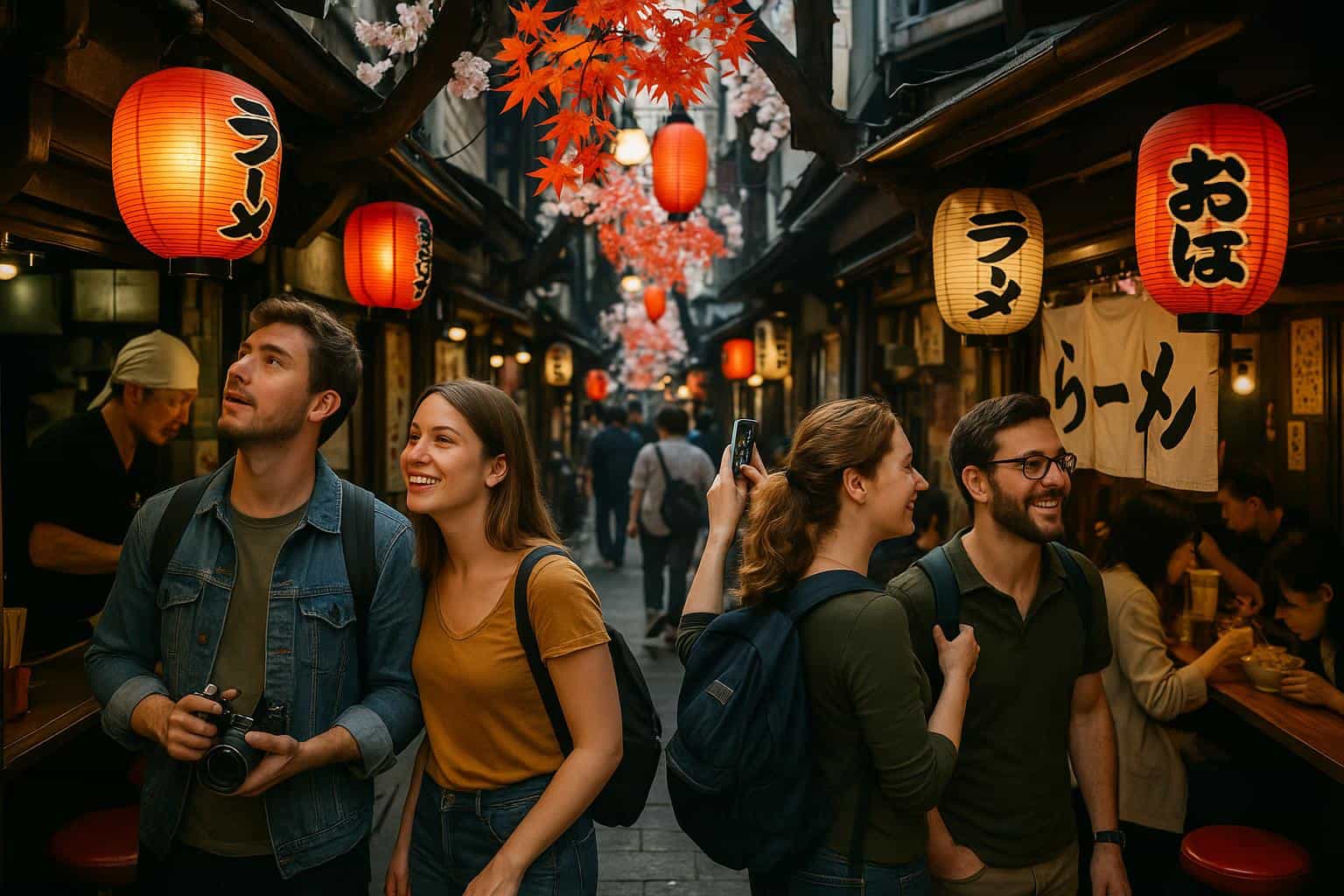
A savory, energetic, nocturnal Tokyo food route for food lovers in November: after-dark ramen alleys, tucked-away izakayas, market tastings, sake sessions and a mix of casual and refined meals — paced for autumn weather and early sunsets.
Highlights
- Must-try dishes: tonkotsu ramen, yuzu-shio ramen, tsukemen, yakitori, fresh sushi at Toyosu, tamagoyaki from Tsukiji stalls, seasonal kaiseki ingredients (autumn mushrooms / matsutake)
- Nighttime ramen alleys: Omoide Yokocho, Nonbei Yokocho, Golden Gai bar hopping
- Sake tasting session to sample seasonal brews
- Tsukiji Outer Market and Toyosu sushi breakfast — alternatives to avoid long queues
- Vegetarian-friendly ramen option at T's Tantan (Tokyo Station)
Explore all itineraries in Tokyo.
Itinerary
Day 1
Arrival and first-night exploration of Shinjuku's compact yakitori alleys and late-night ramen scene — ease into time zone with compact neighborhoods and late dinner options.
Hotel check-in — base in Shinjuku
Settle into your central Shinjuku base, drop bags and ask concierge for same-night reservations in small izakayas.
- MondayOpen 24 hours
- TuesdayOpen 24 hours
- WednesdayOpen 24 hours
- ThursdayOpen 24 hours
- FridayOpen 24 hours
- SaturdayOpen 24 hours
- SundayOpen 24 hours
Tips from local experts:
- Ask the front desk to call and reserve tiny izakaya tables for the same night — many places seat few people and will take a phone reservation.
- Keep some cash handy; many yakitori stalls in alleys are cash-first even in Shinjuku.
- Request a room on a higher floor to reduce street noise; Shinjuku can be lively late into the night.
Stroll & casual yakitori dinner — Omoide Yokocho (Memory Lane)
Explore narrow alleyways of Omoide Yokocho — pick a tiny yakitori stall for charcoal-grilled skewers and small plates.
Tips from local experts:
- Try a mix of negima (chicken+scallion) and tsukune (meatball); ask for tare (sweet sauce) or salt to taste.
- If seats are full, ask to stand at the counter briefly — many locals will offer a spot for a quick plate.
- For dietary restrictions, ask the chef which skewers are purely vegetable or fish-based; language cards with key allergens help.
Late-night tonkotsu ramen — Ichiran Shinjuku (solo-friendly booths)
Classic late-night bowl: rich tonkotsu ramen in a focused ramen-ya layout (order via vending machine).
- MondayOpen 24 hours
- TuesdayOpen 24 hours
- WednesdayOpen 24 hours
- ThursdayOpen 24 hours
- FridayOpen 24 hours
- SaturdayOpen 24 hours
- SundayOpen 24 hours
Tips from local experts:
- Use the vending machine and set spice level and noodle firmness; request 'hard' noodles to keep texture as it cools.
- Ichiran's solo booths are ideal for tired travelers who want a single sit-down bowl without small-talk.
- If you need vegetarian options, Ichiran is pork-based — plan an alternative (see T's Tantan) on another night.
Golden Gai bar hop — tiny themed bars and midnight snacks
Explore 60+ micro-bars in Golden Gai for drinks, local conversations and late-night bottled snacks.
- MondayOpen 24 hours
- TuesdayOpen 24 hours
- WednesdayOpen 24 hours
- ThursdayOpen 24 hours
- FridayOpen 24 hours
- SaturdayOpen 24 hours
- SundayOpen 24 hours
Tips from local experts:
- Many bars have a small cover charge and only a handful of seats — ask if they accept reservations or drop in early.
- Bring cash; some bars are cash-only and will not accept cards for cover or drinks.
- Respect house rules — live music or 'no-photo' policies are common; strike conversations with bartenders for off-menu snack recommendations.
Day 2
Market morning and daytime leaf-watching, then an evening of Ebisu izakayas and a gentle yuzu ramen nightcap — designed for tasting and seasonal treats.
Tsukiji Outer Market breakfast & tasting walk
Sample tamagoyaki, grilled shellfish, fresh skewers and small sushi bites at Tsukiji's active outer market stalls.
Tips from local experts:
- Go early (8:00–9:30) for the freshest bites and shorter lines; many stalls close by early afternoon.
- Try a small tamagoyaki (Japanese omelette) and a grilled scallop skewer to sample seasonal seafood without committing to a full sushi set.
- Carry small change and an insulated bag if you buy chilled seafood; many vendors pack items to go.
Shinjuku Gyoen National Garden — autumn leaves stroll
Slow walk through one of Tokyo's best koyo (autumn foliage) spots — crisp air, maps and seasonal colors.
- MondayClosed
- Tuesday9:00 AM – 4:00 PM
- Wednesday9:00 AM – 4:00 PM
- Thursday9:00 AM – 4:00 PM
- Friday9:00 AM – 4:00 PM
- Saturday9:00 AM – 4:00 PM
- Sunday9:00 AM – 4:00 PM
Tips from local experts:
- Bring a warm layer — November mornings can be cool and damp; light gloves help for long strolls.
- Look for ginkgo avenues and maples on the east side for the best late-November colors.
- Plan this mid-morning to early afternoon to combine with a relaxed lunch nearby and avoid early sunset crowds.
Vegetarian-friendly ramen lunch — T's Tantan (Tokyo Station)
A daytime coping card for vegetarians/vegans: rich sesame- and soy-based 'tantan' ramen without meat.
- Monday10:00 AM – 10:00 PM
- Tuesday10:00 AM – 10:00 PM
- Wednesday10:00 AM – 10:00 PM
- Thursday10:00 AM – 10:00 PM
- Friday10:00 AM – 10:00 PM
- Saturday10:00 AM – 10:00 PM
- Sunday10:00 AM – 10:00 PM
Tips from local experts:
- Perfect fallback for vegetarian/vegan diners: order the 'vegetarian tantan' and ask about nut content if you have allergies.
- Located inside Tokyo Station — arrive slightly before typical lunch rush (before 12:30) to avoid queues.
- Tokyo Station can be busy; check platform access times and give 10–15 extra minutes to navigate tunnels.
Hotel break / rest and light transfer
Return to your base to rest, sort purchases and recharge devices before an evening izakaya crawl.
- MondayOpen 24 hours
- TuesdayOpen 24 hours
- WednesdayOpen 24 hours
- ThursdayOpen 24 hours
- FridayOpen 24 hours
- SaturdayOpen 24 hours
- SundayOpen 24 hours
Tips from local experts:
- Use this time to chill seafood purchases in your hotel fridge or change into warmer layers for evening.
- Charge your camera and phone — low-light alley photos benefit from a top-up battery.
- If you plan to reserve evening spots, call now — many izakayas will accept short-notice calls.
Ebisu Yokocho izakaya crawl — local small-plates & drinks
Cluster of shoutengai-style izakayas offering grilled fish, oden and seasonal snacks — perfect for a variety tasting dinner.
Tips from local experts:
- Order several small dishes (izakaya-style) rather than one main — you’ll sample more seasonal flavors.
- Many stalls post English menus; if not, point to dishes on the counter for fresh picks.
- If you prefer quieter spots, ask the stall-owner for a table further from the entrance or an off-peak weekday reservation.
Late-night yuzu-shio ramen — AFURI Ebisu
Finish the night with AFURI’s citrusy yuzu-shio ramen — a lighter, aromatic bowl that's easy after many small plates.
- Monday11:00 AM – 5:00 AM
- Tuesday11:00 AM – 5:00 AM
- Wednesday11:00 AM – 5:00 AM
- Thursday11:00 AM – 5:00 AM
- Friday11:00 AM – 5:00 AM
- Saturday11:00 AM – 5:00 AM
- Sunday11:00 AM – 5:00 AM
Tips from local experts:
- Yuzu-shio is a great palate cleanser after heavy skewers — ask for extra yuzu if you want more brightness.
- AFURI often offers a veggie/seafood-forward option — ask staff about toppings to suit dietary needs.
- Use local transport cards (Suica/Pasmo) for late-night transfers; trains stop earlier, so check last train times.
Day 3
Asakusa and Ueno daytime exploration with street-food sampling, followed by a sake tasting experience and late-night Shibuya izakayas and ramen.
Asakusa & Senso-ji street snacks and stalls
Historic streetside snacks: ningyo-yaki cakes, freshly-made senbei, and savory skewers alongside temple views.
Tips from local experts:
- Try a piping-hot ningyo-yaki from a stall to compare fillings (custard vs red bean) — it's a classic snack to sample.
- Avoid temple closure hours and be mindful of worship spaces — take snack breaks at the designated picnic benches.
- Many vendors are cash-preferred; carry small bills to speed purchases at busy stalls.
Ameya-Yokocho (Ueno) street market lunch
Bustling market alley with takoyaki, kushikatsu, and quick seafood plates — great for casual tasting and souvenir-snacking.
Tips from local experts:
- Taste takoyaki and a small kushikatsu portion to get a feel for street-fried flavors without overfilling.
- Shop vendors often bundle small souvenir snacks — ask for a sample before buying a larger pack.
- If you want sit-down sashimi, look for back-street stalls with short queues rather than the busiest front stalls.
Afternoon sake tasting session — KURAND SAKE MARKET (Shinjuku)
All-you-can-taste sake bar where you sample seasonal and small-batch sakes — perfect for food lovers wanting to pair flavors.
- Monday6:00 – 11:00 PM
- Tuesday6:00 – 11:00 PM
- Wednesday6:00 – 11:00 PM
- Thursday6:00 – 11:00 PM
- Friday6:00 – 11:00 PM
- Saturday12:00 – 4:00 PM, 6:00 – 11:00 PM
- Sunday12:00 – 4:00 PM, 6:00 – 11:00 PM
Tips from local experts:
- Bring your ID for age verification and book a timeslot in advance for popular weekend sessions.
- Start with lighter, seasonal sakes and move to fuller-bodied types to pair with late-afternoon snacks.
- Ask staff for recommendations that pair with grilled fish or mushrooms — they'll suggest local autumn brews.
Dinner crawl — Nonbei Yokocho (Shibuya) tiny izakayas
Tuck into tiny Shibuya alleys: small bars and micro-izakayas serving eye-catching grilled plates and seasonal nibbles.
- Monday4:00 PM – 5:00 AM
- Tuesday5:00 PM – 4:00 AM
- Wednesday5:00 PM – 4:00 AM
- Thursday5:00 PM – 4:00 AM
- Friday5:00 PM – 4:00 AM
- Saturday5:00 PM – 4:00 AM
- SundayClosed
Tips from local experts:
- Nonbei Yokocho is extremely compact — go early to secure a seat in a recommended spot and avoid long standing.
- Ask bartenders for today's catch or seasonal small plates — they'll often offer off-menu items.
- Many places are not wheelchair-friendly due to steps and narrow entrances; confirm accessibility if needed.
Late-night ramen — Ichiran Shibuya or solo-cup ramen
A final late-night bowl in Shibuya to wrap up the evening — convenient and comforting after alley hopping.
- MondayOpen 24 hours
- TuesdayOpen 24 hours
- WednesdayOpen 24 hours
- ThursdayOpen 24 hours
- FridayOpen 24 hours
- SaturdayOpen 24 hours
- SundayOpen 24 hours
Tips from local experts:
- Order via the vending machine and choose spice/no-spice — save energy by picking your usual ramen profile.
- If you want variety, ask staff about recommended limited-time toppings that reflect seasonal ingredients.
- Check last-train times home — Shibuya trains stop earlier on some lines, so plan a taxi if you're staying late.
Day 4
Final low-sunrise market visit for a sushi breakfast, midday ramen sampling on Tokyo Ramen Street, upscale Ginza finale and a nocturnal nightcap — autumn-conscious and paced for travel-day flows.
Early Toyosu Fish Market visit + sushi breakfast at Sushi Dai
Optional tuna-auction viewing (advance reservation recommended) or a fresh-sushi breakfast experience at Sushi Dai in Toyosu.
- Monday6:00 AM – 2:00 PM
- Tuesday6:00 AM – 2:00 PM
- WednesdayClosed
- Thursday6:00 AM – 2:00 PM
- Friday6:00 AM – 2:00 PM
- Saturday6:00 AM – 2:00 PM
- SundayClosed
Tips from local experts:
- If you want to see the tuna auction, book the auction visitor slot well ahead; otherwise arrive for early sushi service (expect early opening times).
- Sushi Dai is famed but can have long waits — have 'alternate sushi' options planned (e.g., Sushi Zanmai) to avoid long standing.
- Dress warmly for the cool November dockside air and wear shoes suitable for wet surfaces in market areas.
Return to hotel & rest — sort purchases, quick nap
Rest and pack perishables, recharge devices, and prepare for midday restaurant sampling.
- MondayOpen 24 hours
- TuesdayOpen 24 hours
- WednesdayOpen 24 hours
- ThursdayOpen 24 hours
- FridayOpen 24 hours
- SaturdayOpen 24 hours
- SundayOpen 24 hours
Tips from local experts:
- Use hotel luggage storage if you have late checkout; refrigerate any fresh items purchased at Toyosu or Tsukiji.
- A short nap after an early morning market visit keeps energy up for afternoon tastings.
- Confirm train times for midday transfers and leave extra time to navigate Tokyo Station corridors.
Tokyo Ramen Street tasting — multiple ramen shops under Tokyo Station
Sample different regional ramen styles in one location — ideal for trying tsukemen, shoyu and tonkotsu variations.
- Monday9:00 AM – 10:30 PM
- Tuesday9:00 AM – 10:30 PM
- Wednesday9:00 AM – 10:30 PM
- Thursday9:00 AM – 10:30 PM
- Friday9:00 AM – 10:30 PM
- Saturday9:00 AM – 10:30 PM
- Sunday9:00 AM – 10:30 PM
Tips from local experts:
- Order smaller portions (if available) or share bowls so you can taste multiple styles without overfilling.
- Bring coins or small bills for vending machines; some shops may not accept cards.
- Try a tsukemen (dipping ramen) and a shoyu ramen to compare texture and broth concentration.
Ginza walk & light shopping — seasonal produce and specialty food halls
Stroll Ginza's department food basements (depachika) to sample confections, pick up packaged snacks and admire seasonal produce displays.
Tips from local experts:
- Explore the depachika (department basement food floors) for beautifully packed take-home seasonal snacks and safe souvenir choices.
- If you’re after wagashi (traditional sweets), ask the counter which sweet pairs best with matcha — seasonal flavors change in November.
- For a late lunch light bite, look for standing sushi counters in department stores — quick, high-quality and less queueing than famous restaurants.
Fine-dining sushi finale — Ginza Kyubey (seasonal nigiri dinner)
A refined sushi experience showcasing seasonal fish and autumn ingredients — reserve in advance for counter seating.
- MondayClosed
- Tuesday11:30 AM – 2:00 PM, 5:00 – 10:00 PM
- Wednesday11:30 AM – 2:00 PM, 5:00 – 10:00 PM
- Thursday11:30 AM – 2:00 PM, 5:00 – 10:00 PM
- Friday11:30 AM – 2:00 PM, 5:00 – 10:00 PM
- Saturday11:30 AM – 2:00 PM, 5:00 – 10:00 PM
- SundayClosed
Tips from local experts:
- Reserve kokyo (counter) seating in advance — Ginza counters fill early, especially for dinner service.
- Ask the chef for a seasonal omakase to taste matsutake (if available) or the day's prime nigiri.
- Be mindful of dress code and time; many fine-dining sushi counters expect diners punctual for tasting courses.
Final nightcap stroll — Golden Gai (optional) or a quiet bar
Wrap up with one last micro-bar visit in Golden Gai (or a quieter Ginza/Hotel bar if you prefer calmer endings).
- MondayOpen 24 hours
- TuesdayOpen 24 hours
- WednesdayOpen 24 hours
- ThursdayOpen 24 hours
- FridayOpen 24 hours
- SaturdayOpen 24 hours
- SundayOpen 24 hours
Tips from local experts:
- If you prefer calmer endings, choose a hotel bar in Ginza; for high-energy alley vibes head back to Golden Gai earlier in the evening.
- Ask bartenders for late-night snack pairings (small cheese plates or pickles) to complement local whiskies or highballs.
- Keep an eye on train/taxi options if you have an early departure — last trains vary by line and weekday.
Itinerary Attributes
| Days | 4 |
| Highlights | 5 |
| Season | - |
| Month | - |
| Persona | Food Lovers |
| Transfers | - |
| Restaurants | 5 |
| Total Activities | 21 |
| Total Places | 21 |
| Activities Types | Hotel, Neighborhood, Meal, Nightlife, Attraction, Outdoor, Restaurant, Break, Culture, Shopping, Experience |
Why this experience
Tokyo reveals itself differently after dark, and nowhere more so than in its ramen alleys and hidden izakayas. While most travelers are back in their hotels, you're discovering narrow wooden-fronted shops tucked between office buildings in Shinjuku, ramens that have been perfecting their broths for decades in alleyways that look like they haven't changed since the 1970s. The rhythm is intoxicating: steaming noodles at midnight, late-night izakaya counters where salarymen and chefs sit shoulder-to-shoulder, bars that open only after 10 PM because their regular clientele is just getting started.
This itinerary isn't about fine dining or Instagram moments. It's about experiencing food the way Tokyoites actually do—casual, late, and deeply flavored. You'll sit at ramen counters where the chef remembers regulars' orders, stand in tiny izakayas where three people is a crowd and that's the point, and discover that Tokyo's most authentic food story happens when the sun goes down. The food is transcendent, but the experience is human. You're not a tourist in these spaces; you're part of the rhythm.
Best for food lovers who get excited by proximity to other diners, who understand that the best meals happen in the humblest spaces, and who are happy to eat dinner at 11 PM if that's where the energy is.
Before you go
- Best time: Year-round. Late-night food venues operate regardless of season. Autumn and winter offer warm broths and seasonal comfort dishes; spring and summer bring lighter ramen styles and chilled preparations.
- Budget: Check the booking widget for current tour pricing. Ramen ranges from 900–1,500 JPY per bowl; izakaya meals (shared small plates) run 1,500–3,000 JPY per person. Some venues cash-only.
- Difficulty: Easy. Minimal walking, lots of standing at counters and sitting. Late hours require stamina for those used to early bedtimes.
- What to bring: Comfortable shoes for standing, light layers (venues can be warm), cash (many late-night spots are cash-only), camera if you want to document the experience, hand sanitizer for alley cleanliness.
- Getting there: Start in Shinjuku Station (major hub) or Shibuya Station. Ramen alleys cluster near major train stations and office neighborhoods. No special transportation needed—walking between venues is part of the experience.
- Accessibility: Ramen alleys are narrow and atmospheric but can have tight spaces. Counters are the primary seating (easier for some, challenging for others). Many venues are small and lack accessible restrooms; inquire when booking.
Frequently asked questions
Do I need to know Japanese or how to order ramen? No. Most counter ramen shops have picture menus or will point you toward house specialties. Staff are accustomed to foreigners and patient with language barriers. Pointing works everywhere. Part of the charm is the simplicity of ordering.
Are late-night izakayas safe and welcoming for solo travelers? Absolutely. Solo dining at izakaya counters is completely normal in Tokyo. You'll find yourself among office workers, artists, and other solo diners. The atmosphere is social without being aggressive. You're welcome to chat or sit quietly.
What if the ramen is too spicy or I have dietary restrictions? Communicate clearly when ordering—staff are accommodating. Vegetarian ramen options exist at most venues (ask for 野菜ラーメン, yasai ramen). Spice levels can usually be adjusted. Fish-based broths are standard (not vegetarian), so mention concerns upfront.
What's included in this itinerary? This itinerary on TheNextGuide is free to read and follow at your own pace. Ramen and izakaya meals are paid separately to vendors—no package pricing. Bookable experiences (late-night food tours, izakaya introductions, chef encounters) are optional and handled through the booking widget.
Complete your trip in Tokyo
This late-night food itinerary pairs well with other intense culinary experiences:
- Tokyo autumn: counter-seat omakase, depachika grazing, and steam-filled ramen alleys (4-day food lovers) — Refined and casual food experiences combined
- Quiet reveillon: neon and tradition (3-day solo, winter) — Solo travel with similar late-night rhythm
- Neon alleys and late-night izakayas: a Shinjuku-Shibuya after-dark shoot (4-day photographers) — Food and street life combined with photography focus
Browse all Tokyo itineraries at TheNextGuide.
Last updated: April 2026