Official Partner
Zulu Safaris
4.7 based on 683 reviews
Zulu Safaris offers daily and overnight out of Durban KwaZulu-Natal, South Africa.
Zulu Safaris offers daily and overnight out of Durban KwaZulu-Natal, South Africa.
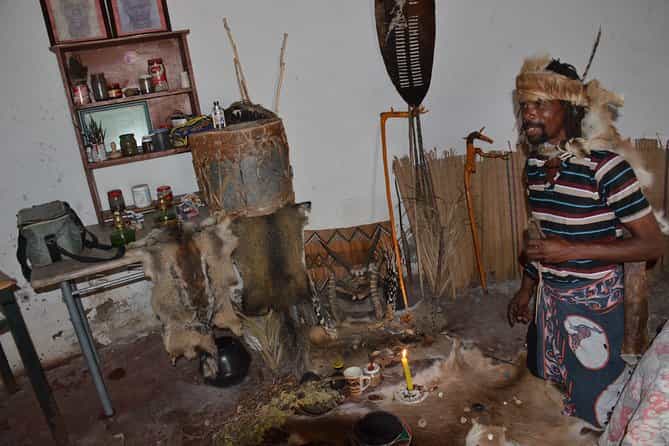
Come and enjoy a uniquely Zulu experience by visiting a traditional Zulu healer. An Inyanga / Sangoma is a traditional medicine practitioner or shaman of the Zulu people in South Africa. A Sangoma / Inyanga can communicate with your ancestors, work with plant medicine (herbalist) and use the power of prayer for healing. The tour departs from Durban towards the picturesque area of Molweni. The Inyanga / Sangoma consultation lasts about 45 Minutes where he will use traditional methods like throwing the bones to connect with your ancestors and convey the information he receives. The tour guide will translate if need be but the Sangoma does speak English. After the consultation the tour guide will continue with a scenic tour of Molweni before heading back to Durban.
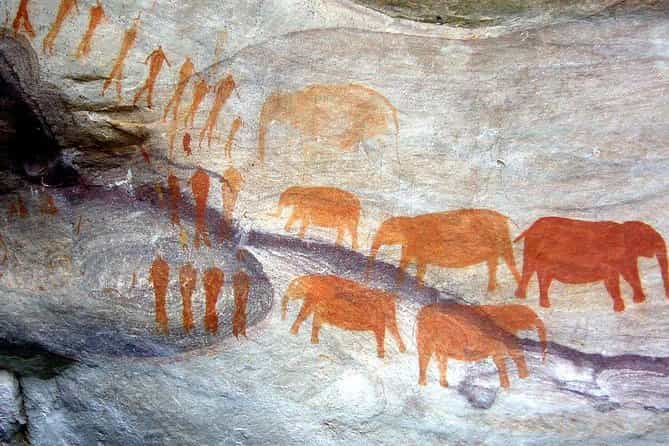
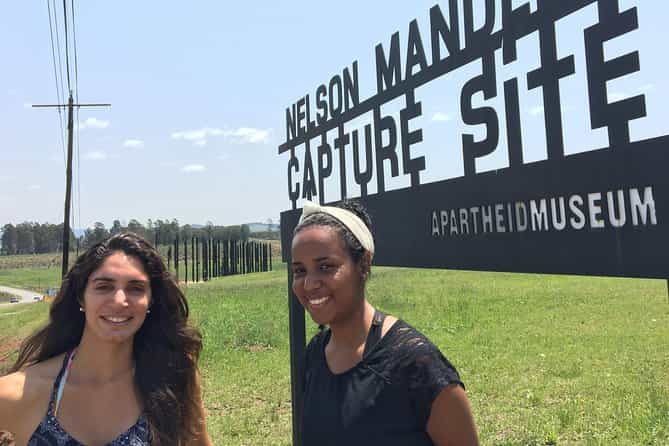
ItineraryThe tour starts off with a visit to Pietermaritzburg, the capital of KwaZulu Natal. There we will stop by Pietermaritzburg's City Hall, which claims to be the largest brick building in the southern hemisphere. There we will visit the Gandhi statue also before we head towards the Drakensberg mountainsStop At: Pietermaritzburg City Hall, Pietermaritzburg, KwaZulu-NatalThe tour starts off with a visit to Pietermaritzburg, the capital of KwaZulu Natal. There we will stop by Pietermaritzburg's City Hall, which claims to be the largest brick building in the southern hemisphere. There we will visit the Gandhi statue also before we head towards the Drakensberg mountains.Stop At: Kamberg Nature Reserve, uKhahlamba-Drakensberg Park, KwaZulu-NatalOur destination is the magnificent UNESCO World Heritage Site, the Drakensberg mountain range. The Kamberg Nature Reserve was created in 1951 because of it its unique natural beauty, wildlife and historical cave rock sites. The reserve has over 6200 hectors of rolling mountains and deep valleys with an extensive network of hikes and trails. The Walk to the Caves Rock Art Site is over 60 minutes in length from the camp and requires an average level of fitness to complete. The natural landscape has many rock shelters, containing San rock paintings. These were created by the San people over a period of at least 4000 years. The rock paintings are outstanding in quality and diversity representing the spiritual life of the San people who no longer live in the region.Stop At: Nelson Mandela Capture Site, Howick, KwaZulu-NatalNext is the Nelson Mandela Capture Site Statue and Apartheid Museum. The Capture Site boasts a large sculpture of Nelson Mandela made up of multiply steel columns which stand between 6 and 9 meters tall. Tourists at the Capture Site are required to stand 35 meters away from the large Nelson Mandela bust for it to come into clear focus. Facing west the impressive sculpture creates a uniquely beautiful landscape for the local Howick community. The museum is dedicated to Nelson Mandela’s life and his struggle against the Apartheid government.Stop At: Howick Falls, Howick, KwaZulu-NatalNext stop will be the small town of Howick to visit its waterfall. KwaNogqaza or Howick Falls is approximately 95 m in height and lies on the Umgeni River. The local Zulu people named it the “Home of the Tall” referring to its height. Next to the falls lies a quaint old section of Howick which has a selection of historical museums and antique stores to visit.
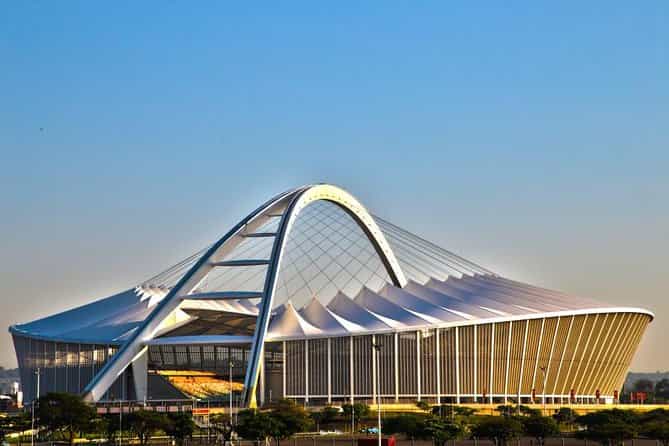
Embark on a scenic and guided full day tour of Durban’s Top 10. An experienced and knowledgeable local guide will show you a variety of landmarks which highlight Durban’s diverse culture and history.Gandhi’s house, situated in Inanda township, now stands as a museum dedicated to his 21 years in South Africa. Gandhi himself said, South Africa was essential to his personal achievements. The racial oppression he felt during the 21 years he spent in South Africa shaped his future. In 1904 Mahatma Gandhi established a settlement at Phoenix devoted to his principles of Satyagraha [passive resistance] and printed his newspaper, the Indian Opinion was printed. After Gandhi’s home, the tour will then include a drive through Inanda Township before progressing to Umhlanga Promenade and the pier.At Victoria Street Market you will be given time to shop for African inspired accessories, clothing, souvenirs, home decorations, paintings and luggage etc. Next to the Victoria Street Market is the Zulu Medicine Market where your guide will take you on an informative tour of “Inyanga (Doctors) lane”. The Zulu Medicine Market is a unique place where Zulu culture has survived in the modern urban environment.The Moses Mabhida stadium has become a defining feature of the Durban skyline. It has a high-rise platform on top of its arch which is accessible by an elevator called the Sky Car for an additional fee. Your tour guide will show you around the exterior of the stadium and will give time to go to the sky platform if desired.The tour includes a visit to uShaka Marine World’s Village Walk on the famous Golden Mile Beachfront on Durban’s OR Tambo parade. There you will be given time to shop and have lunch. uShaka Village Walk is home to Durban’s most unique shopping experiences, offering a shopper’s paradise in an open-air environment, affording guests a world of entertainment, family fun, shopping and dining.The tour includes a stop at the beautiful Botanical Gardens, which is the oldest Botanical Gardens in Africa, est 1849.The KwaMuhle Museum was once the headquarters of Durban’s Native Administration Department and the center of Durban’s harsh system of labour control. Now it has been transformed into Durban’s Apartheid Museum.The tour also includes various quick stops which include Durban’s City Hall, Durban Harbour & Shiva Statue at the Umgeni Hindu Temple.
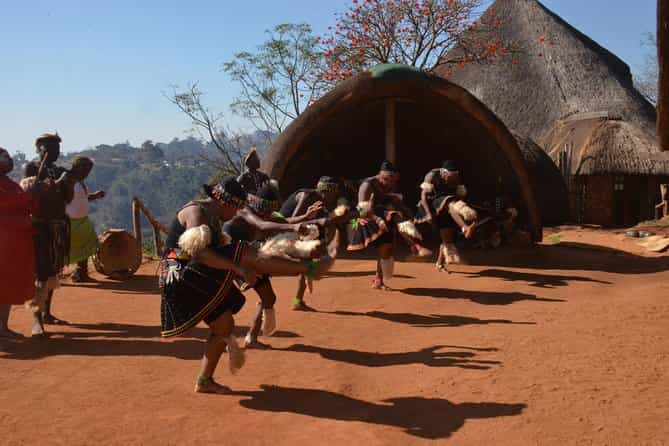
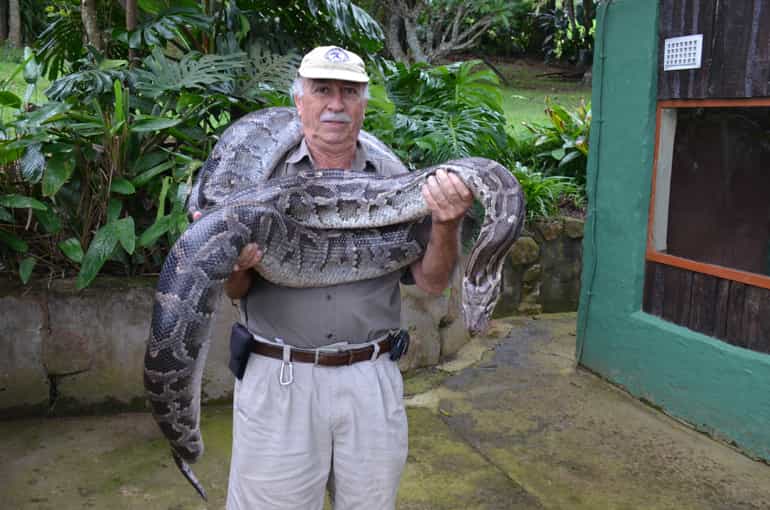
The tour leaves Durban and travels to the Valley of 1000 Hills, home of PheZulu Cultural and Safari Park. Visitors are taken into traditional beehive shaped thatched huts, where the various artefacts, beliefs and rituals of the Zulu people are explained, giving visitors an insight into the fascinating Zulu culture. The Zulu dancing show (50 minutes) is impressive with the dancers in their traditional garb, showing off their skills with grace, agility and humour.PheZulu also has a Crocodile and Snake park where guests will be taken on a guided tour by a knowledgeable local guide. They will learn interesting facts about crocodiles and snakes and have a hands-on experience with Cleo the Burmese python who weighs in at 42 kilograms.TOUR ITINERARY • PheZulu Zulu Cultural Village • PheZulu Reptile Farm • Valley of 1000 Hills.
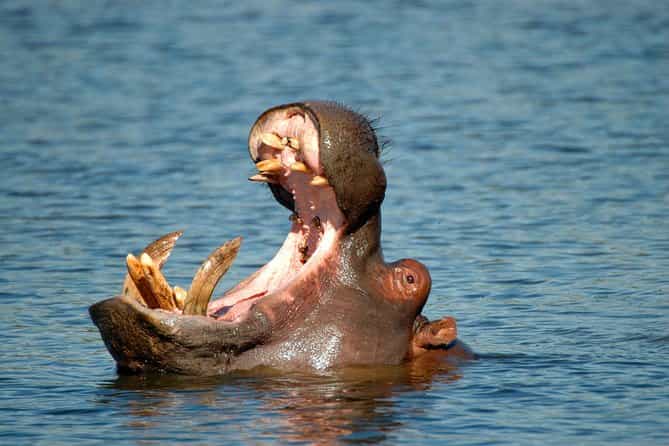
The tour departs from Durban heading northward along the coast to northern KwaZulu-Natal. The first stop is the town of St Lucia and the estuary inside the iSimangaliso Wetlands Park. There you will board a river boat for a 2 hours guided tour of the estuary. The local guide will inform you of the reserves history and its incredible wildlife.Previously known as the Greater St. Lucia Wetland Park, iSimangaliso Wetlands Park was declared South Africa's first Natural World Heritage Site (UNESCO) and is considered South Africa's third largest park with 280km of near pristine coastline and 328 000 hectares of magnificent scenery. The protected area is home to one of the largest population of hippopotami in SA, an estimated 1000 crocodiles as well as a wealth of plant, bird and animal life. The park was proclaimed a world heritage site because of the rich biodiversity, unique ecosystems and natural beauty occurring in a relatively small area. Animals occurring on the park include, lion, African elephant, leopard, black and southern white rhino, buffalo and in the ocean, whales, dolphins, and marine turtles including the leather back and loggerhead turtle.After the boat tour, you will travel to the Hluhluwe-Imfolozi Game Reserve. Your experienced guide will show you around the park in search of the diverse wildlife and big 5.Hluhluwe-Imfolozi Game Reserve is set in the heart of Zululand where Africa’s Big 5 (Lion, Elephant, Leopard, Buffalo and Rhinoceros) roam the flourishing savannah. Established in 1895 this is the oldest park in South Africa and is 98 000 hectares. This tour is in a closed vehicle. The Park contains an immense diversity of fauna and flora and is characterised by hilly topography. The list of animals at the park is long and varied. Hluhluwe, the northern section of the park, is noted for its wide variety of both bird and animal life. Imfolozi Game Reserve is situated in the southern section of the Hluhluwe Imfolozi Park. Today, the Hluhluwe Imfolozi Park is world renowned for its White Rhino conservation and its Centenary Capture Centre is setting exceptional standards for animal capture and sustainable utilization in Africa.Your guide will stop at Hilltop Camp restaurant giving you time to refuel and relax. The restaurant is situated at the top of the hill and gives visitors the chance to enjoy the scenery of the camp and surrounding areas. Afterwards you will continue with your safari before leaving the park for Durban.
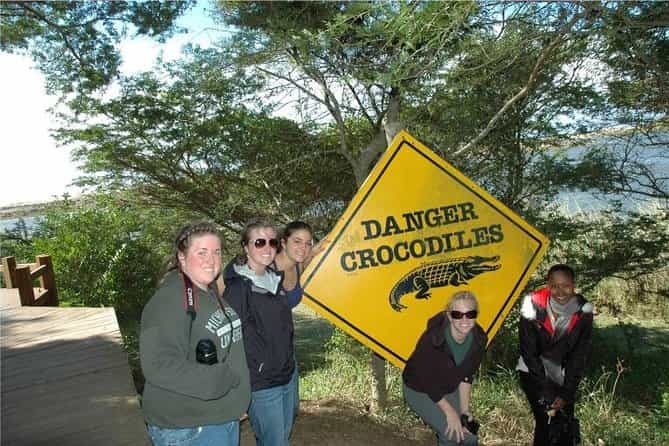
The tour departs from Durban heading northward along the coast to northern KwaZulu-Natal. The first stop is the town of St Lucia and the estuary inside the iSimangaliso Wetlands Park. There you will board a river boat for a 2 hours guided tour of the estuary. The local guide will inform you of the reserves history and its incredible wildlife.Previously known as the Greater St. Lucia Wetland Park, iSimangaliso Wetlands Park was declared South Africa's first UNESCO, Natural World Heritage Site and is considered South Africa's third largest park with 280km of near pristine coastline and 328 000 hectares of magnificent scenery. The protected area is home to one of the largest population of hippopotamuses in SA, an estimated 1000 crocodiles as well as a wealth of plant, bird and animal life. The park was proclaimed a world heritage site because of the rich biodiversity, unique ecosystems and natural beauty occurring in a relatively small area. Animals occurring on the park include, lion, African elephant, leopard, black and southern white rhino, buffalo and in the ocean, whales, dolphins, and marine turtles including the leather back and loggerhead turtle. After the boat tour you will be given time to have lunch at the local restaurants in the town of St Lucia. After lunch your guide will take you to the river mouth for a walk before leaving St Lucia for Durban.
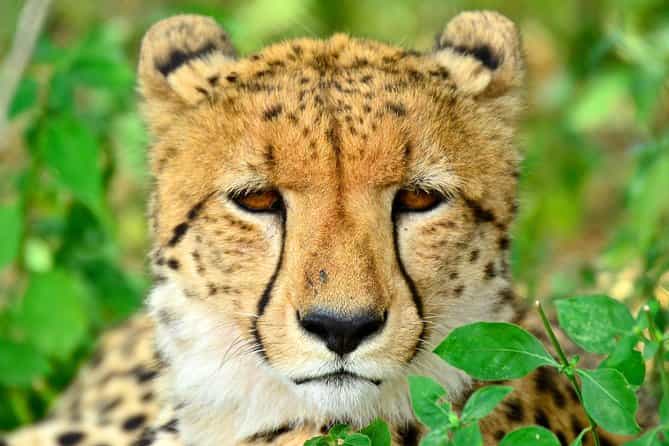
The tour departs from Durban heading north up the coast to northern KwaZulu-Natal. You will arrive at the Hluhluwe-Imfolozi gate 2h30m hours after departing from Durban. You experienced guide will show you around the park in search of the diverse wildlife and Big 5.Hluhluwe-Imfolozi Game Reserve is set in the heart of Zululand where Africa’s Big 5 (Lion, Elephant, Leopard, Buffalo and Rhinoceros) roam the flourishing savannah. Established in 1895 this is the oldest park in South Africa and is 98 000 hectares. This tour is in a closed vehicle. The Park contains an immense diversity of fauna and flora and is characterised by hilly topography. The list of animals at the park is long and diverse. Hluhluwe, the northern section of the park, is noted for its wide variety of both bird and animal life. Imfolozi Game Reserve is situated in the southern section of the Hluhluwe Imfolozi Park. Today, the Hluhluwe Imfolozi Park is world renowned for its White Rhino conservation and its Centenary Capture Centre is setting exceptional standards for animal capture and sustainable utilization in Africa.Your guide will stop for lunch at Hilltop Camp (own expense) giving you time to refuel and relax. The restaurant is situated at the top of the hill and gives visitors the chance to enjoy the scenery of the camp and surrounding areas. After lunch you will continue with your safari before leaving the park on route to Emdoneni Wild Cat Sanctuary.Emdoneni Cat Project offers a guided tour about South Africa’s endangered wild cat species. The aim of the Emdoneni Cat Project is to care for Cheetahs, Serval Cats, African Wildcats and Caracal (Lynx), which have been orphaned or injured in the wild and need care and rehabilitation. During the guided tour to the cat project, visitors can get up close and personal with some of South Africa’s endangered cat species; Caracal, Serval, Cheetah and the African Wildcat. This once in a lifetime opportunity can be enjoyed whilst being educated on a tour. This activity is very popular!After the tour we start the two hours journey back to Durban for drop off.
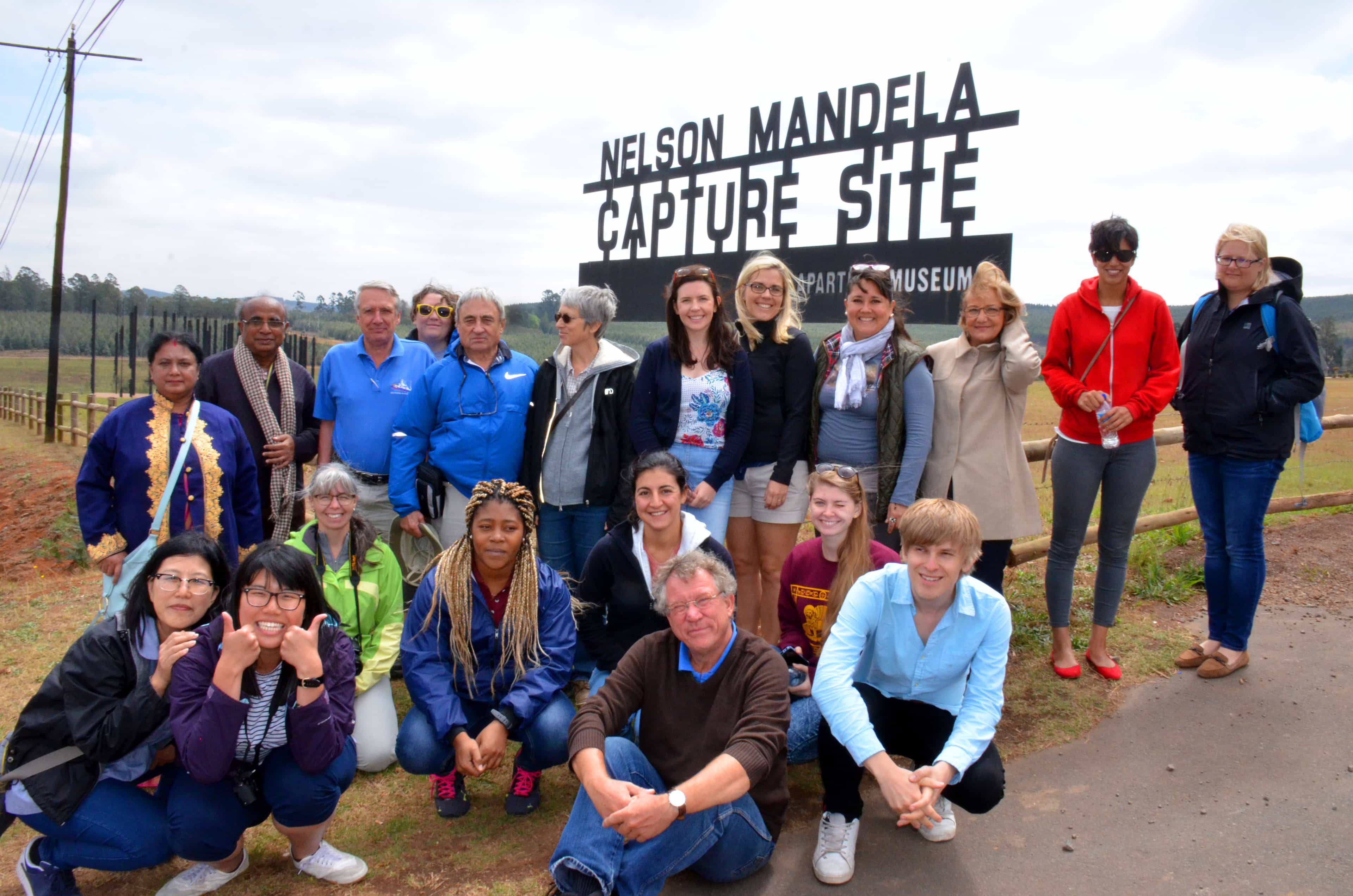
The tour departs from Durban for the capital of KwaZulu-Natal, Pietermaritzburg (capital city). Your guide will giveyou a short tour of the city and visit Mahatma Gandhi’s statue by Pietermaritzburg City Hall. Next stop will be the small town of Howick to visit its waterfall. KwaNogqaza or Howick Falls is approximately 95 m in height and lies on the Umgeni River. The local Zulu people named it the “Home of the Tall” referring to its height. Next to the falls lies a quaint old section of Howick which has a selection of historical museums and antique stores to visit. Next is the Nelson Mandela Capture Site Statue and Apartheid Museum. The Capture Site boasts a largesculpture of Nelson Mandela made up of multiply steel columns which stand between 6 and 9 metres tall. Tourists at the Capture Site are required to stand 35 meters away from the large Nelson Mandela bust for it to come into clear focus. Facing west the impressive sculpture creates a uniquely beautiful landscape for the local Howick community. The museum is dedicated to Nelson Mandela’s life and his struggle against Apartheid government. Next is the ‘Valley of 1000 Hills’ to experience traditional Zulu culture at PheZulu Cultural Village and ReptilePark. Visitors are taken into a traditional Zulu homestead to experience what traditional Zulu life was like before the modern era. Inside a traditional Zulu homestead there are thatched huts placed in a circular position, with the cattle placed in the centre as a form of protection. At PheZulu’s ‘Sibaya’ or homestead the thatched huts are surrounding the auditorium which faces the beautiful ‘Valley of 1000Hills’. The local PheZulu guide will take you on a guided tour of the PheZulu sibaya and describe Zulu cultural practices to gain insight into Zulu traditions during the 1800’s. The local Zulu dancing show is educating and entertaining with the local performers singing beautiful traditional Zulu songs and dancing energetically. The performers wear their traditional Zulu attire,showing off their dancing and singing skills with rhythmic agility and pride. Included in PheZulu is the Reptile Park where guests enjoy a guided tour by a local PheZulu Reptile park guide. The local guides are very knowledgeable and eager to take you around the park and share interesting facts about the animals in the park. PheZulu Reptile Park has diverse reptilian wildlife on site which include crocodiles, alligators, snakes, tortoises, spiders and iguanas. The local PheZulu guide will let you touch or hold some of the animals including a small crocodile and the giant Burmese python, just long enough to take a photo.
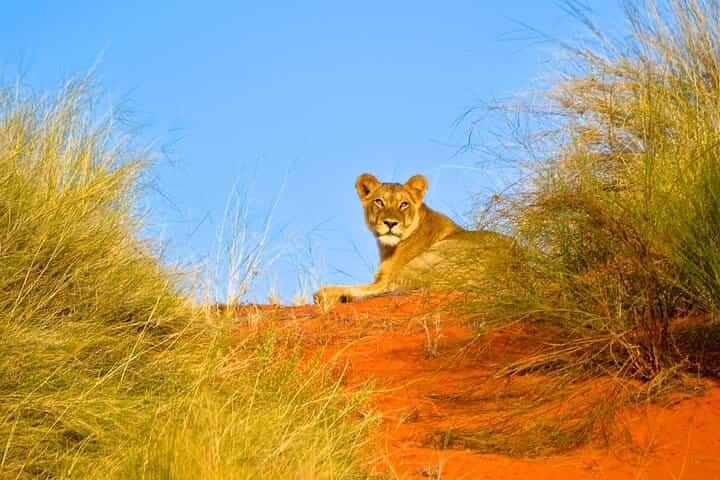
Hluhluwe Imfolozi Game Reserve set in the heart of Zululand where Africa’s Big 5 (Lion, Elephant, Leopard, Buffalo and Rhinoceros) roam the flourishing savannah. Established in 1895 this is the oldest park in South Africa and encompasses over 98000 hectares of beautiful African landscape. This tour is in a closed vehicle. The Park contains an immense diversity of fauna and flora and is characterised by hilly topography. The list of animals at the park is long and varied. Hluhluwe Game Reserve makes up the northern top half of the reserve which is renowned for its diverse variety of bird and animal life. South of Hluhluwe is the Imfolozi Game Reserve which makes up half of the park. These two reserves were joined together to create the largest reserve in KwaZulu Natal.
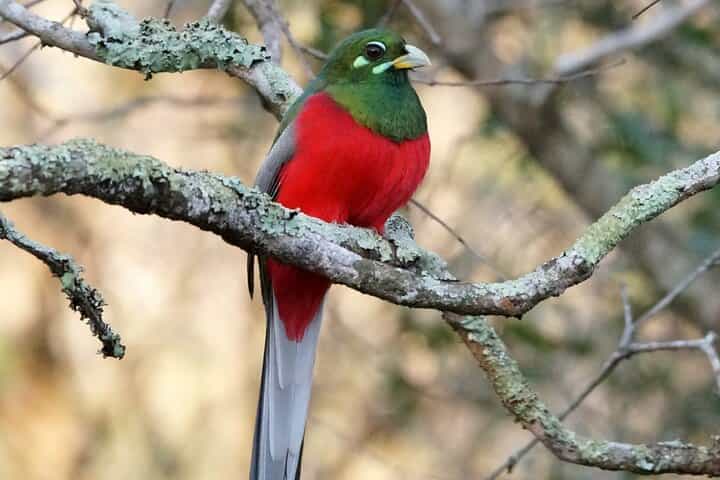
This tour includes 3 nature reserves, Pigeon Valley Nature Reserve, Durban Botanical Gardens and Umhlanga Lagoon Nature Reserve which are 3 gems with different types of bird life and picturesque views, if you are a bird watcher and you are around Durban this is the tour for you.
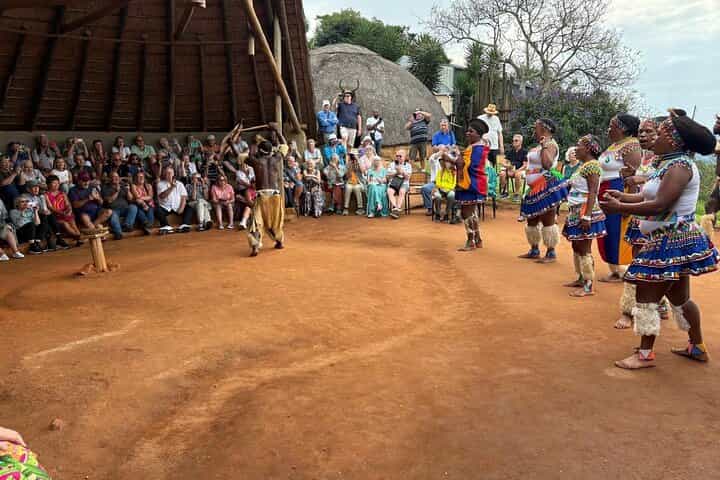
This 4-hour guided tour is a chance to see and learn about the Zulu culture and it's ancient beliefs and rituals. It also gives you a chance to see crocodiles and snakes at the Reptile Park.
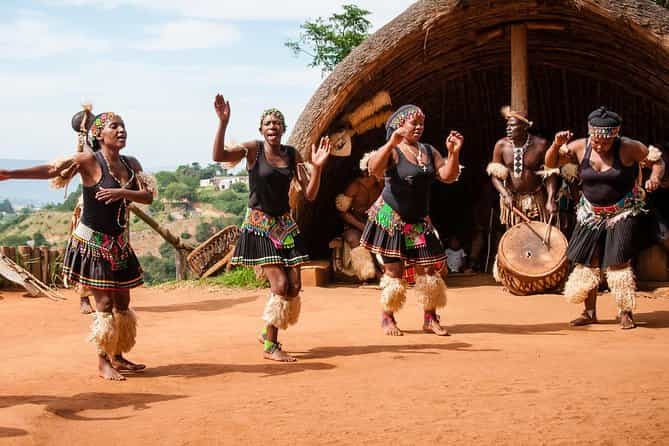
The adventure takes us to Tala Private Game reserve that hosts a diverse selection of wildlife on a 3000 hectares reserve. Tala Game Reserve is a Rhino sanctuary and is home to over 370 bird species and wildlife that includes Rhino, Giraffe, Hippo and Eland to name a few of the bigger animals. Our guide will drive around the park in our closed vehicle to view all the wildlife and have a close look at the Rhinos. He will give insight into the wildlife ecosystem and the interesting facts about the animals.Next, we will visit the ‘Valley of 1000 Hills’ to experience traditional Zulu culture at PheZulu Cultural Village and Reptile Park. Visitors are taken into a traditional Zulu homestead to experience what traditional Zulu life was like before the modern era. Inside a traditional Zulu homestead there are thatched huts placed in a circular position, with the cattle placed in the centre as a form of protection. At PheZulu’s ‘Sibaya’ or homestead the thatched huts are surrounding the auditorium which faces the beautiful ‘Valley of 1000 Hills’. The local PheZulu guide will take you on a guided tour of the PheZulu sibaya and describe Zulu cultural practices to gain insight into Zulu traditions during the 1800’s. The local Zulu dancing show is educating and entertaining with the local performers singing beautiful traditional Zulu songs and dancing energetically. The performers wear their traditional Zulu attire, showing off their dancing and singing skills with rhythmic agility and pride.Included in PheZulu is the Reptile Park where guests enjoy a guided tour by a local PheZulu Reptile park guide. The local guides are very knowledgeable and eager to take you around the park and share interesting facts about the animals in the park. PheZulu Reptile Park has diverse reptilian wildlife on site which include crocodiles, alligators, snakes, tortoises, spiders and iguanas. The local PheZulu guide will let you touch or hold some of the animals including the small crocodiles and the giant Burmese python, just long enough to take a photo. This tour is ideal for families with young children.After PheZulu Cultural Village and Reptile Park the tour proceeds back to Durban.
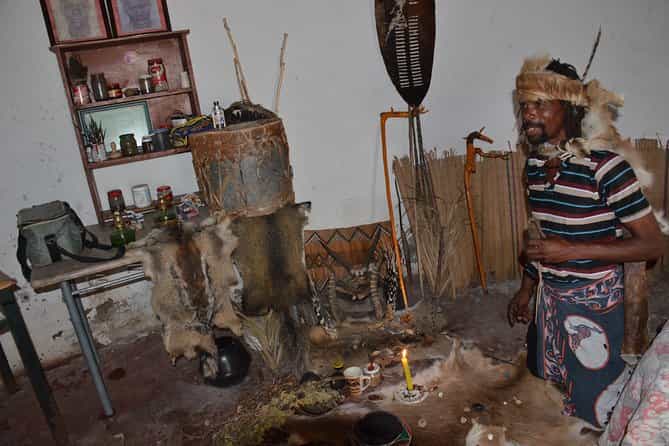
The tour departs from Durban in our air-conditioned vehicle and travel about 30-45 minutes inland towards Molweni where you will visit the Inyanga / Sangomas home for a consultation. The tour guide will either serve as a translator if need to be. A Sangoma / Inyanga can communicate with your ancestors, work with plant medicine (herbalism). While most practice all three, you will find others that work solely with one or any combination of these methods. The Sangoma consultation will last about 45 minutes where he will speak to your ancestors and consult you on any issues you are having. The consultation fee is not included in the price, you will need to bring cash R300 to give to him directly. After the consultation the tour guide will take you for a scenic tour of Molweni's beautiful landscape before heading to back to Durban. INCLUDED: • Collection and drop off from Durban in an Air-conditioned vehicle • Qualified Tour GuideNOT INCLUDED: • Lunch: however opportunity is provided to buy something to eat, refuel and relax • Inyanga / Sangoma Consultancy fee. R300 ppPickup & drop off service within a 5km radius of (Tropicana hotel) Durban.WEAR: Comfortable clothing, Hat, Sunscreen, Jacket.
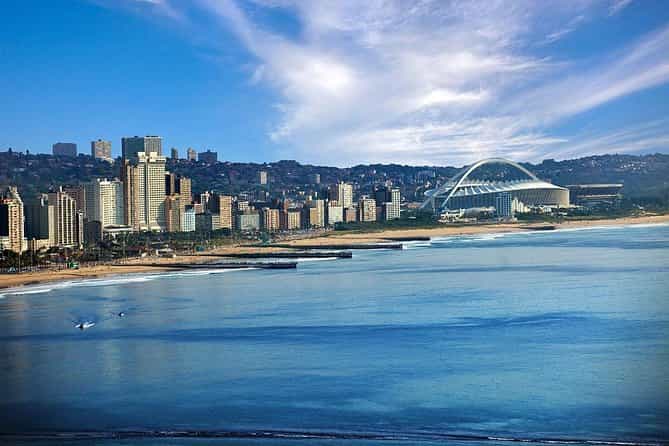
Embark on a scenic and guided half day tour of Durban and Ethekwini municipality. An experienced and knowledgeable local guide will show you a variety of landmarks which highlight Durban’s diverse culture and history.At Victoria Street Market you will be given time to shop for African inspired accessories, clothing, souvenirs, home decorations, paintings and luggage etc. Next to the Victoria Street Market is the Zulu Medicine Market where your guide will take you on an informative tour of “Inyanga (Doctors) lane”. The Zulu Medicine Market is a unique place where Zulu culture has survived in the modern urban environment.The Moses Mabhida stadium has become a defining feature of the Durban skyline. It has a high-rise platform on top of its arch which is accessible by an elevator called the Sky Car for an additional fee. Your tour guide will show you around the exterior of the stadium and explain its history, use and significance. You will be given time to go to the sky platform if desired.The tour includes a visit to uShaka Marine World’s Village Walk on the famous Golden Mile Beachfront on Durban’s OR Tambo parade. There you will be given time to shop and have lunch. uShaka Village Walk is home to Durban’s most unique shopping experiences, offering a shopper’s paradise in an open-air environment, affording guests a world of entertainment, family fun, shopping and dining.The tour includes a stop at the beautiful Botanical Gardens, which is the oldest Botanical Gardens in Africa, est 1849. Your guide will show you some of the interesting and beautiful features of the gardens and give you the option of extra time to explore alone.The KwaMuhle Museum was once the headquarters of Durban’s Native Administration Department and the centre of Durban’s harsh system of labour control. Now it has been transformed into Durban’s Apartheid Museum that seeks to reflect Durban’s urban growth and the history of its residents. It also houses a very interesting HIV / Aids exhibition which educates the public on the South African HIV/ Aids situation.The tour also includes various quick stops which include Durban’s City Hall, Durban Harbour & the Shiva Statue at the Umgeni Hindu Temple
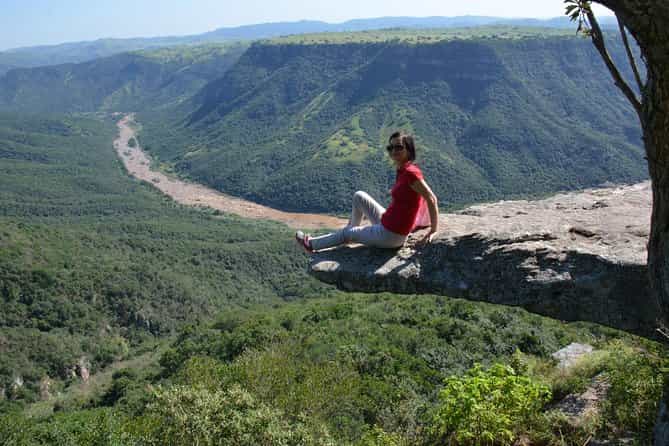
Our first stop is a visit to the Leopard's Rock which is set on a rocky incline with sweeping views over the majestic Mzimkhulu River Gorge.We then visit The Oribi Gorge Nature Reserve which is a wonderfully scenic area offering excellent hiking opportunities. Wildlife in the Oribi Gorge consists of many antelope, although the oribi (after which the gorge is named) is rarely seen. A photographer's paradise, Oribi Gorge Nature Reserve encompasses forests, rivers, rapids and ravine. High sandstone cliffs dominate this 24km long gorge carved out by the Umzimkulwana River. Leopards, troops of baboons, various small antelope and a prolific birdlife, including five species of kingfisher and seven species of eagle inhabit the reserve.Activities at Oribi Gorge include The Wild Swing and the Wild Slide. The Wild Swing is one of the most popular big swings in South Africa and the highest in the world. It entails a heart-stopping leap off the top of the waterfall that leaves you swinging more than 100m to the gorge below. You can a walk on the suspension bridge which is 48 meters a spectacular opportunity to be suspended between heaven and terra firma, as you hover 100m above the Gorge floor enjoying views never before seen of Lehr’s Waterfall, Baboon’s Castle and the World’s Highest Gorge Swing.Professional instructors are available to assist with all activities and the highest safety standards are adhered to. All safety equipment, including full-body harnesses, is provided.All activities are done at your own expenses. The cost of the tour does not cover the expenses of the activities.
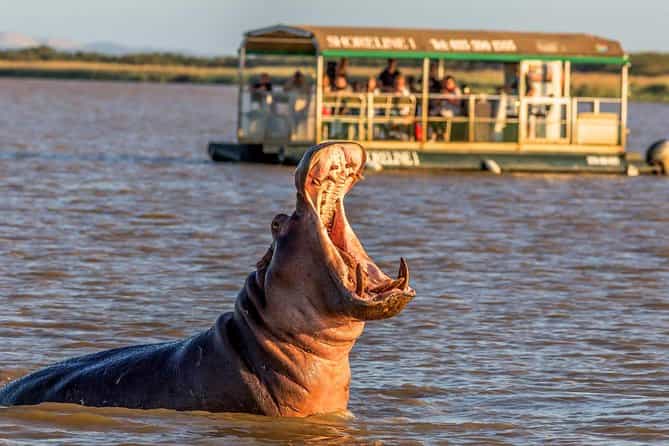
The tour leaves from Durban and heads north of South Africa to Isimangaliso Wetlands Park- Greater St Lucia.The iSimangaliso Wetland Park was announced South Africa's first World Heritage Site in December 1999, while its name still remains as the Greater St Lucia Wetland Park. It received this prestigious status in recognition of the beauty of the landscape, its unique ecological processes, and the exceptional diversity of species that the park protects.You will go on a 2 hour boat estuary where you will have a chance to be close to hippo's, crocodiles, and the famous fish eagle. After the trip you will take a leisurely walk along the estuary and see the beauty of the coastline area.From there you will go to the Emdoneni Wild Cat Sanctuary where you will the opportunity to learn more about South Africa's wild cat species. You will be taken aback by the beauty of the caracal, enchanted by the very playful and mesmerized by the speed and agility of the cheetah.The aim of Emdoneni Wild Cat Sanctuary is to care for cheetah's, several cats etc. which have been orphaned or injured in the wild and are in need of care and rehabilitation. They also intend to breed successfully if possible and release the offspring back into their natural habitat.
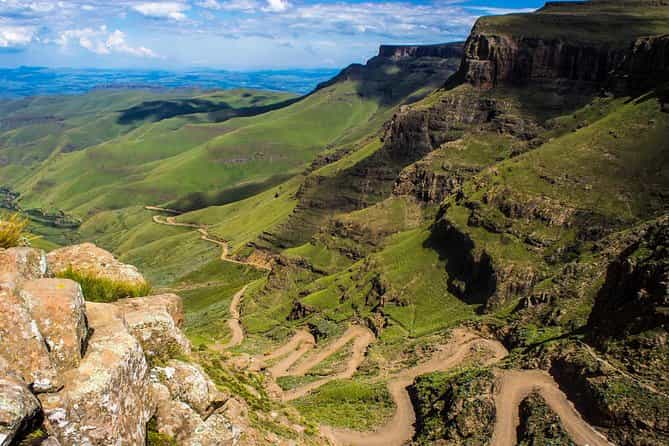
One of our most popular tours! The Sani Pass Lesotho 4x4 tour leaves from Durban and stops at the capital of KwaZulu-Natal, Pietermaritzburg. Your guide will give you a short tour of the city and visit Mahatma Gandhi’s statue by Pietermaritzburg City Hall. Afterwards the tour moves towards the Drakensberg Mountains and up to the Sani Pass in Lesotho. Passport required.The Sani Pass is a 33km gravel road that straddles the sheer cliffs of the Drakensberg escarpment in a series of tight Zig Zag curves. The route begins at the Sani Pass Hotel which is 1566m above sea level. You will be travelling in a Land Rover 4×4 upwards along the narrow road crossing the South African / Lesotho border post which is 1968m above sea level. On route the landscape of KwaZulu-Natal opens-up displaying spectacular views of rolling hills and vast skies.At the top of Sani Pass, at a height of 3240 metres / 9900 feet is the “Highest Pub in Africa” where you will be given time to enjoy a warm pub meal. You tour guide will take you to a local’s home near the pub to introduce you to a Basotho people in a local village. There you will see how the Basotho people of Lesotho live. Thereafter you will make your way down Sani’s Pass and cross the boarder back into South Africa and head back to Durban.
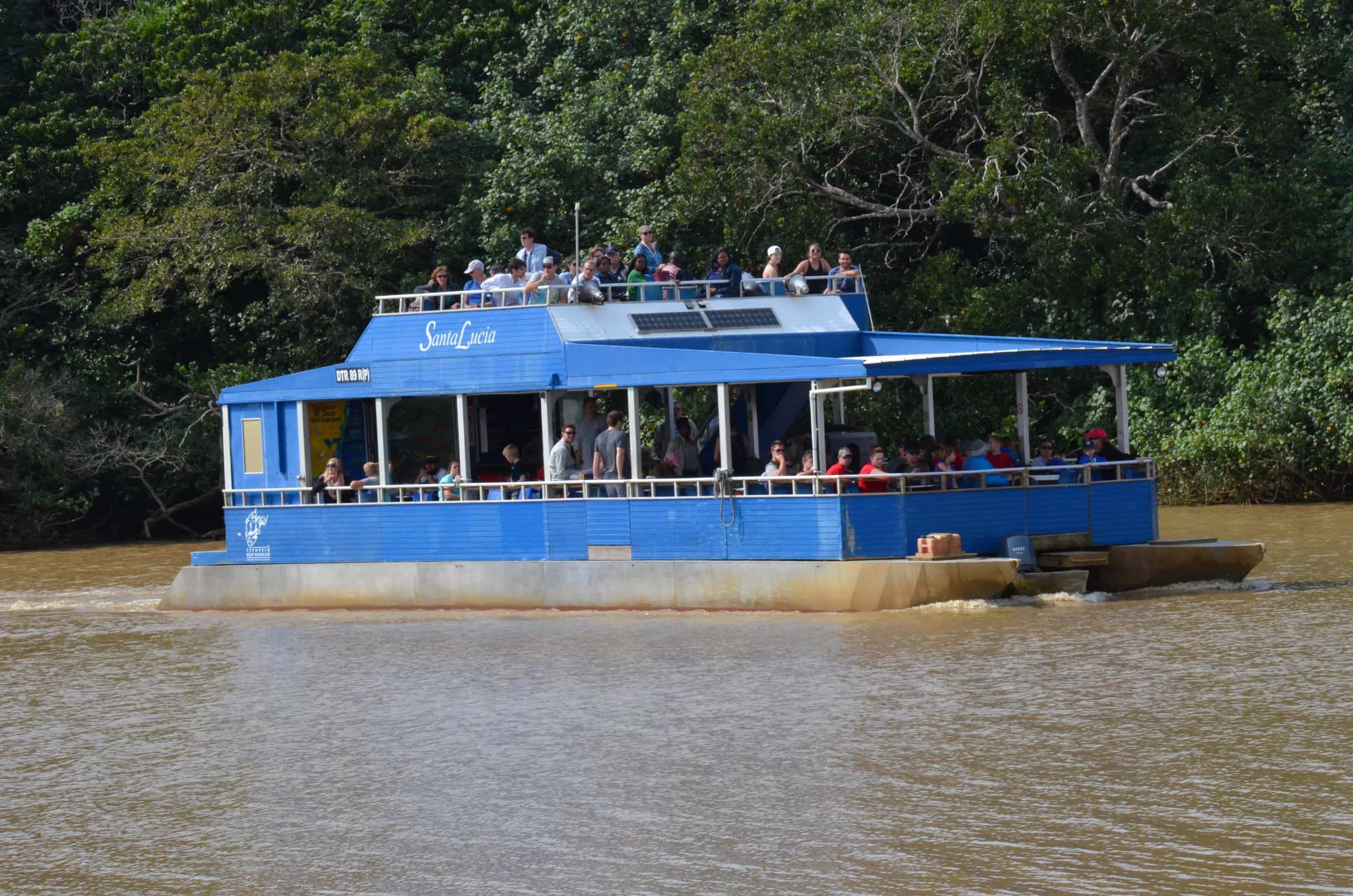
The tour departs from Durban heading northward along the coast to northern KwaZulu-Natal. The first stop is the small town of St Lucia inside the iSimangaliso Wetlands Park. There you will board a river boat for a 2 hours guided tour of the estuary. The local guide will inform you of the reserves history and educate you on the park’s incredible wildlife whilst cruising along the estuary on a Boat Safari. The iSimangaliso Wetlands Park was declared South Africa's first Natural World Heritage Site in 1999. Previously known as the Greater St. Lucia Wetland Park, the UNESCO site dates back over 120 years. Established in 1895 the reserve is considered South Africa's third largest park with its’ unique ecosystem spanning over 280km of near pristine coastline and 328 000 hectares of magnificent scenery. The protected area is home to one of the largest population of hippopotami in SA as well as an estimated 1000 crocodiles. Isimagaliso has a wealth of plant, bird and animal life, including lion, zebra, African elephant, leopard, giraffe, black and southern white rhino and fish eagles. DumaZulu Cultural Village is located near the Hluhluwe-Imfolozi Game Reserve in the heart of Zululand. Translated as “Thundering Zulu” DumaZulu is South Africa’s largest Zulu cultural village boasting a large tradition sibaya and over 50 Zulu locals who live and work at DumaZulu. This village is depiction ofwhat Zulu culture was like before modernization and is considered living museum. The village is laid out in the tradition Zulu design of Zulu beehivehuts arranged in a circle around a cattle kraal. Visitors are welcomed by a local DumaZulu tour guide who explains and shares interesting traditions andcustoms of the Zulu people. The locals display traditional basket-weaving, spear and shield making skills and techniques. Guests enjoy buying decorative beadwork from the locals, viewing the village Sangoma perform tradition bone throwing as well as an impressive Zulu dancing andsinging performance. After the DumaZulu Cultural Village you will head back to Durban.
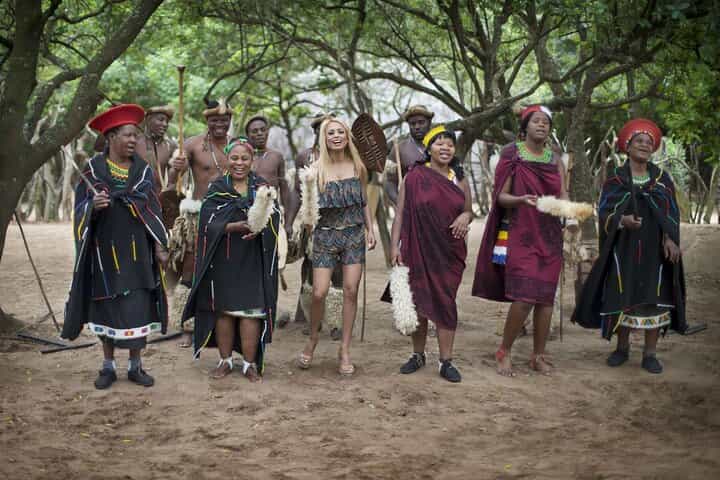
DumaZulu Cultural Village is located near the Hluhluwe-Imfolozi Game Reserve in the heart of Zululand. Translated as “Thundering Zulu” DumaZulu is South Africa’s largest Zulu cultural village boasting a large tradition sibaya and over 50 Zulu locals who live and work at DumaZulu. This village is depiction of what Zulu culture was like before modernization and is considered living museum. The village is laid out in the tradition Zulu design of Zulu beehive huts arranged in a circle around a cattle kraal. Visitors are welcomed by a local DumaZulu tour guide who explains and shares interesting traditions and customs of the Zulu people. The locals display traditional basket-weaving, spear and shield making skills and techniques. Guests enjoy buying decorative beadwork from the locals, viewing the village Sangoma perform tradition bone throwing as well as an impressive Zulu dancing and singing performance.
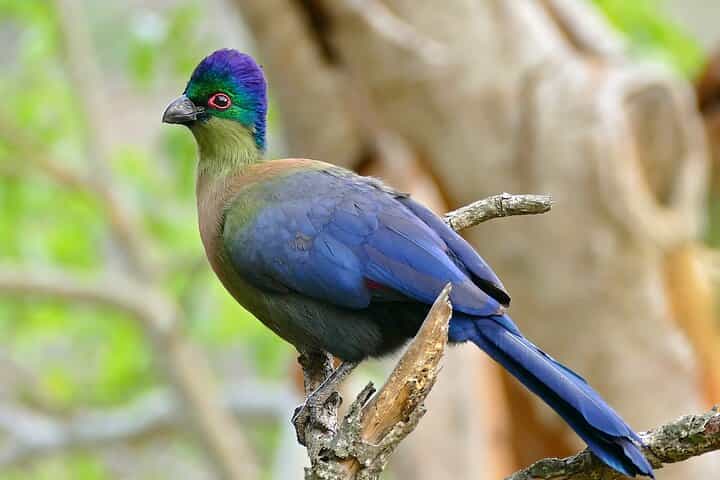
The tour departs from Durban heading northward along the coast to northern KwaZulu-Natal to a city called St Lucia. There we will visit Igwalagwala Trail our guide will inform you of the trails history and its incredible bird species.Offering some of the best birding possibilities in South Africa, St Lucia and its environs are home to the Igwalagwala Trail and are part of the Zululand Birding Route. The Igwalagwala Trail in St Lucia, South Africa, has to rank among the top birding treks in the world due to the quantity of high-quality species per unit area, according to published author and naturalist Ian Sinclair. St Lucia has over 500 bird species, so whether you want to see water birds, sea birds, forest birds, or birds of prey, our knowledgeable local culture guide will give you the very best chance to find the birds you want.
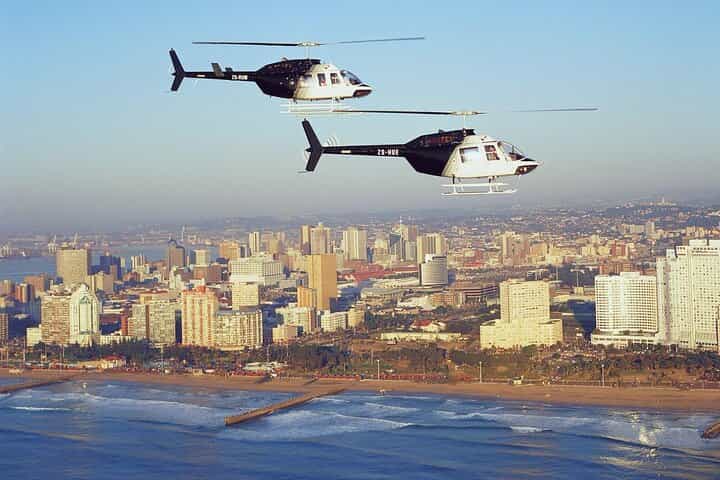
This tour is unique because it is a Durban City tour that offers a helicopter tour and a vehicle tour. This unique tour includes a 30 min helicopter tour as well as a 4 hour Durban City Tour in a vehicle. The tour includes 7 stops and attractions available in Durban. This aerial and land tour gives tourists a chance to see Durban from air and land. The tour is conducted by a qualified tour guide who will give you a historical and cultural context of Durban. If you would like to have a unique Durban City tour that is aerial and terrestrial then this private tour is for you.
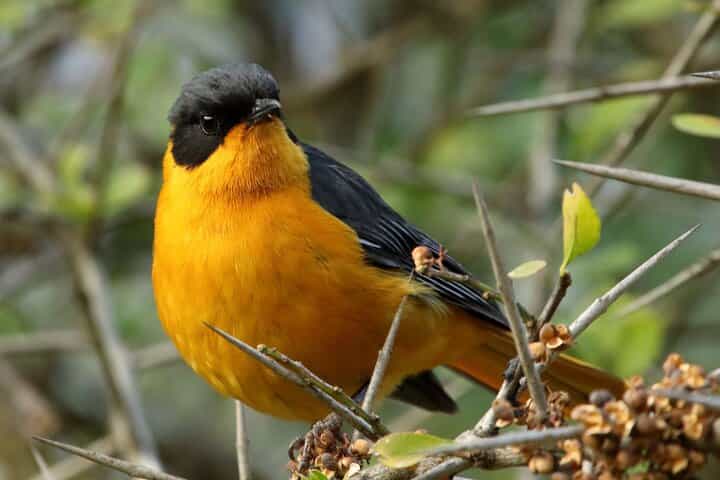
The Dlinza Forest Aerial Boardwalk in Eshowe is a 150 metre long walkway built above the Dlinza Forest floor, which allows visitors to view flora, fauna and avifauna at treetop level. It includes a 20 metre high tower, offering dramatic views of both the forest canopy and surrounding countryside.The Dlinza Forest is on The Zululand Birding Route, and is home to all sorts of rare birds and little creatures. Over 90 species of birds inhabit the forest, as well as 85 different types of butterflies. On a hiking trail whilst tuning in to the happy chatter of the birds, you can spot blue duikers, bushpigs, chameleons, beetles, bushbuck and much much more. Some of the birds that inhabit the forest are Crowned Eagles, Narina Trogon, Spotted Ground Thrush, Green Twinspot, Purple Crested Turaco, Eastern Bronze-naped Pigeon, Olive Woodpecker, Chorister Robin-chat, Trumpeter Hornbill, Delegorgue’s Pigeon and many more.
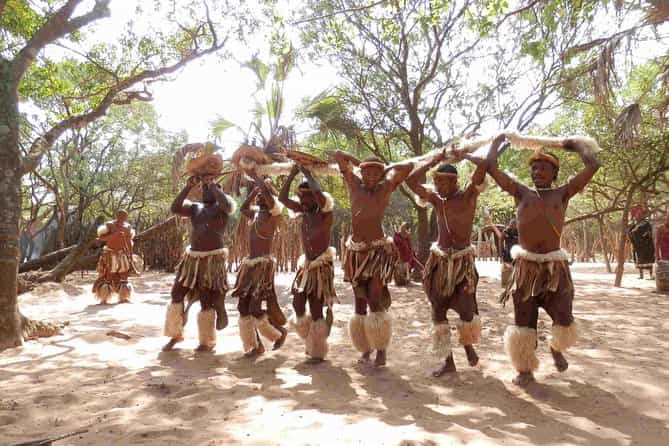
The tour departs from Durban heading north up the coast to northern KwaZulu-Natal. You will arrive at the Hluhluwe-Imfolozi gate 2h30m hours after departing from Durban. You experienced guide will show you around the park in search of the diverse wildlife and Big 5.Hluhluwe-Imfolozi Game Reserve is set in the heart of Zululand where Africa’s Big 5 (Lion, Elephant, Leopard, Buffalo and Rhinoceros) roam the flourishing savannah. Established in 1895 this is the oldest park in South Africa and is 98 000 hectares. This tour is in a closed vehicle. The Park contains an immense diversity of fauna and flora and is characterised by hilly topography. The list of animals at the park is long and diverse. Hluhluwe, the northern section of the park, is noted for its wide variety of both bird and animal life. Imfolozi Game Reserve is situated in the southern section of the Hluhluwe Imfolozi Park. Today, the Hluhluwe Imfolozi Park is world renowned for its White Rhino conservation and its Centenary Capture Centre is setting exceptional standards for animal capture and sustainable utilization in Africa.Your guide will stop for lunch at Hilltop Camp (own expense) giving you time to refuel and relax. The restaurant is situated at the top of the hill and gives visitors the chance to enjoy the scenery of the camp and surrounding areas. After lunch you will continue with your safari before leaving the park on route to DumaZulu Cultural Village.DumaZulu "Thundering Zulu" is the largest Zulu cultural village in South Africa. The village is located near Hluhluwe Village in Zululand and is laid out in the tradition Zulu style of Zulu beehive huts arranged in a circle around a cattle kraal. Visitors enjoy a guided tour of the village and the interesting culture and customs of the Zulu nation. Guests can watch various displays of basket-weaving, spear and shield making, beadwork, pot-making, Sangoma bone throwing and spectacular Zulu dancing. The village is home to more than fifty Zulu residents who both live and work there, forming part of a "living museum".After the tour we start the two hours journey back to Durban for drop off.
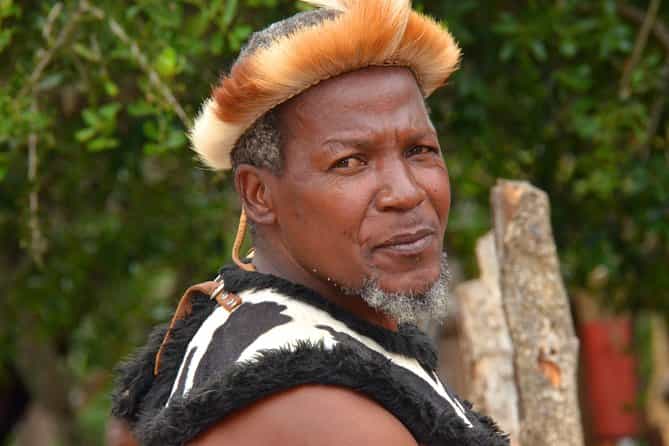
This popular tour is dedicated about the culture and customs of Zulu people. The tour’s first stop is the King Shaka Memorial which has a short presentation about King Shaka Zulu.Next stop is the main attraction Shakaland Zulu Cultural Village. The Kings Royal Homestead was built for the movie SHAKA ZULU in the 1980’s. It is a lifestyle replica of Shaka’s Royal Homestead which now serves as a living museum for tourists and schools. The two-hour guided tour gives visitors an insight into Zulu Culture before colonisation and modernization. This includes an opportunity to taste authentic Zulu beer and culminates with a show of spectacular Zulu dancing.We then travel to Dlinza Forest for a scenic easy walk along the high raised board walks which make their way through the beautiful reserve. The reserve is home to small duiker, monkeys and a wide variety of bird life.
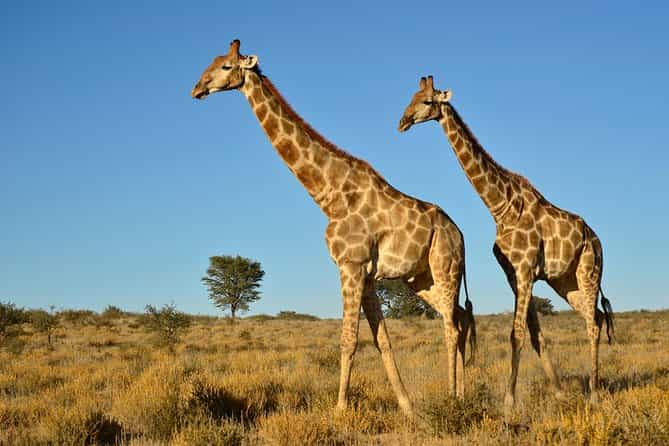
The adventure takes us to Tala Private Game reserve that hosts a diverse selection of wildlife on a 3000 hectares reserve. Tala Game Reserve is a Rhino sanctuary and is home to over 370 bird species and wildlife that includes Rhino, Giraffe, Hippo and Eland to name a few of the bigger animals. Our guide will drive around the park in our closed vehicle to view all the wildlife and have a close look at the Rhinos. He will give insight into the wildlife ecosystem and the interesting facts about the animals.We will also experience the Majesty of Africa’s Raptors located within the stunning Tala Collection Game Reserve in KwaZulu-Natal, the African Raptor Centre is home to over 100 non-releasable birds of prey representing more than 35 species. Their world-class enclosures provide a safe haven for eagles, owls, vultures, falcons, and hawks that can no longer survive in the wild.
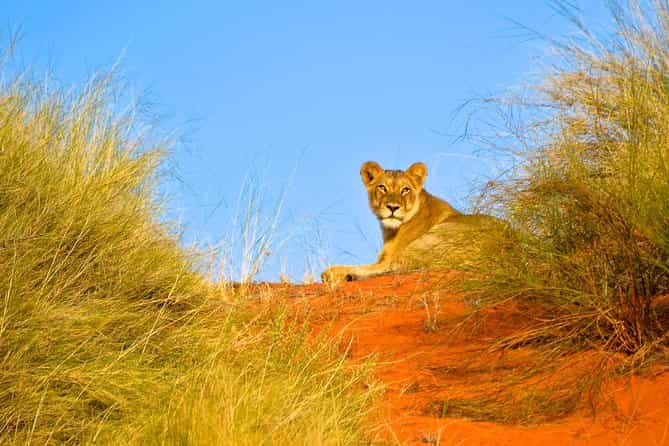
The tour departs from Durban heading northward along the coast to northern KwaZulu-Natal. You will arrive at the Hluhluwe-Imfolozi Game Reserve gate 2h30m after departing from Durban. You experienced guide will show you around the park in search of the diverse wildlife and Big 5.Hluhluwe Imfolozi Game Reserve set in the heart of Zululand where Africa’s Big 5 (Lion, Elephant, Leopard, Buffalo and Rhinoceros) roam the flourishing savannah. Established in 1895 this is the oldest park in South Africa and is 98 000 hectares. This tour is in a closed vehicle. The Park contains an immense diversity of fauna and flora and is characterised by hilly topography. The list of animals at the park is long and varied. Hluhluwe, the northern section of the park, is noted for its wide variety of both bird and animal life. Imfolozi Game Reserve is situated in the southern section of the Hluhluwe Imfolozi Park. Today, the Hluhluwe Imfolozi Park is world renowned for its White Rhino conservation and its Centenary Capture Centre is setting exceptional standards for animal capture and sustainable utilization in Africa. Your guide will stop for lunch at Hilltop Camp (own expense) giving you time to refuel and relax. The restaurant is situated at the top of the hill and gives visitors the chance to enjoy the scenery of the camp and surrounding areas. After lunch you will continue with your safari before leaving the park and heading back to Durban
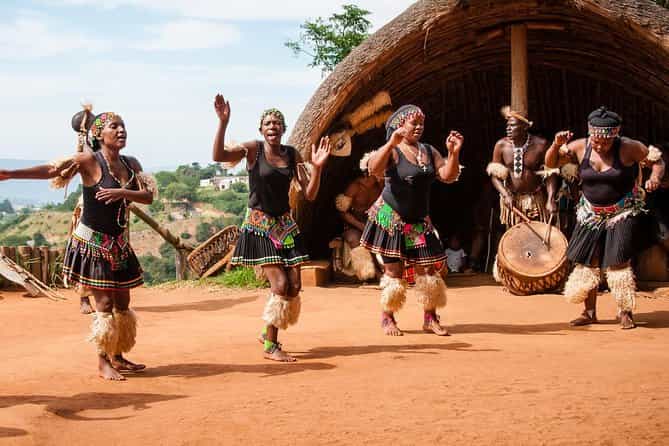
Embark on a scenic and guided day tour of Durban and the Valley of 1000 Hills where you will visit PheZulu Cultural and Safari Park.At Victoria Street Market you will be given time to shop for African inspired accessories, clothing, souvenirs, home decorations, paintings and luggage etc. Next to the Victoria Street Market is the Zulu Medicine Market where your guide will take you on an informative tour of “Inyanga (Doctors) lane”. The Zulu Medicine Market is a unique place where Zulu culture has survived in the modern urban environment.The Moses Mabhida stadium has become a defining feature of the Durban skyline. It has a high-rise platform on top of its arch which is accessible by an elevator called the Sky Car for an additional fee. Your tour guide will show you around the exterior of the stadium and explain its history, use and significance.The tour includes a stop at the beautiful Botanical Gardens, which is the oldest Botanical Gardens in Africa, est 1849. Your guide will show you some of the interesting and beautiful features of the gardens and give you the option of extra time to explore alone.The KwaMuhle Museum was once the headquarters of Durban’s Native Administration Department and the center of Durban’s harsh system of labour control. Now it has been transformed into Durban’s Apartheid Museum that seeks to reflect Durban’s urban growth and the history of its residents.The tour includes a visit to uShaka Marine World’s Village Walk on the famous Golden Mile Beachfront on Durban’s OR Tambo parade. There you will be given time to shop and have lunch. uShaka Village Walk is home to Durban’s most unique shopping experiences, offering a shopper’s paradise in an open-air environment, affording guests a world of entertainment, family fun, shopping and dining.The tour leaves Durban and travels to the Valley of 1000 Hills. Home of PheZulu Cultural and Safari Park. Visitors are taken into traditional beehive shaped thatched huts, where the various artefacts, beliefs and rituals of the Zulu people are explained, giving visitors an insight into the fascinating Zulu culture. The Zulu dancing show (50 minutes) is impressive with the dancers in their traditional garb, showing off their skills with grace, agility and humour.PheZulu also has a Crocodile and Snake park where guests will be taken on a tour by a knowledgeable local guide. They will learn interesting facts about crocodiles and snakes and have a hands-on experience with Cleo the Burmese python who weighs in at 42 kilograms.
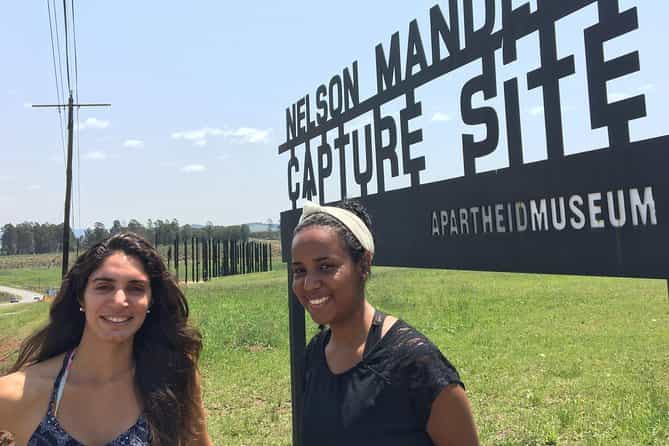
ItineraryThe tour starts off with a visit to Pietermaritzburg, the capital of KwaZulu Natal. There we will stop by Pietermaritzburg's City Hall, which claims to be the largest brick building in the southern hemisphere. There we will visit the Gandhi statue also before we head towards the Drakensberg mountains.We head towards the Giants Castle Reserve in Drakensburg Mountain range. Conveniently built high on the front of the Drakensberg, Giant's Castle camp is surrounded by beautiful landscape, deep valleys and grassy highlands which presents tourists with spectacular unforgettable views.Stop At: Giants Castle Game Reserve, uKhahlamba-Drakensberg Park, KwaZulu-NatalGiant’s Castle Reserve has a set of sandstone caves which have been turned into an outdoor museum. The San Rock Art depicts life of the San and Khoekhoe people who lived in South Africa for 1000s of years before Bantu and European migration. Both considered ‘hunters and gatherers’, the San were more nomadic that the Khoekhoe, who started to herd cattle when introduced by the bantu people who migrated from central Africa. The San and the Khoekhoe used rock art to communicate their story between clans and people. Giants Castle’s caves is one of the best maintained Cave Rock Sites in KwaZulu-Natal and South Africa. The site has been developed for tourism and offers guided tours on the hour from 9am – 3pm daily. Only 30 minutes from the camp the leisurely trail offers guests an original cultural experience and a spectacular landscape adventure. The local guide will elaborate and display the history and culture behind some of the best-preserved artwork by the San people. Stop At: Nelson Mandela Capture Site, Howick, KwaZulu-NatalNext is the Nelson Mandela Capture Site Statue and Apartheid Museum. The Capture Site boasts a large sculpture of Nelson Mandela made up of multiply steel columns which stand between 6 and 9 metres tall. Tourists at the Capture Site are required to stand 35 meters away from the large Nelson Mandela bust for it to come into clear focus. Facing west the impressive sculpture creates a uniquely beautiful landscape for the local Howick community. The museum is dedicated to Nelson Mandela’s life and his struggle against Apartheid government. Stop At: Howick Falls, Howick, KwaZulu-NatalNext stop will be the small town of Howick to visit its waterfall. KwaNogqaza or Howick Falls is approximately 95 m in height and lies on the Umgeni River. The local Zulu people named it the “Home of the Tall” referring to its height. Next to the falls lies a quaint old section of Howick which has a selection of historical museums and antique .Visit Howick falls and the local market.
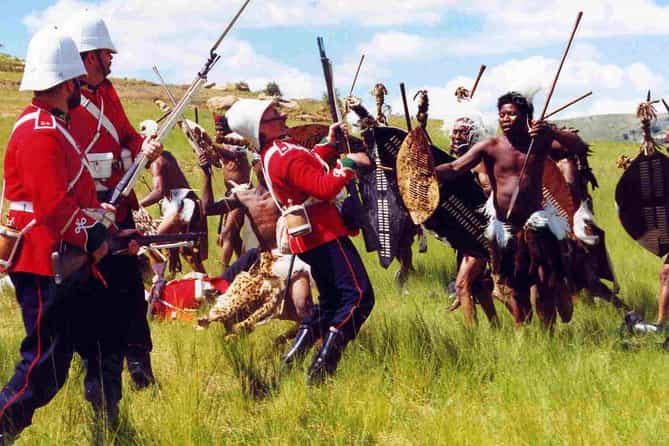
This day tour travels to the north of KwaZulu-Natal where to visit famous sites of the battlefields. There you will encounter museums, memorials and fields dedicated to the Anglo Zulu wars.The first stop is the Isandlwana Battlefield and Museum. In early January 1879, the British Empire invaded Zululand furthering their colonial expansionist agenda of Southern Africa. The local Zulu Kingdom responded with a well-coordinated attack at the Battle of Isandlwana that surprised the British. This historic battle, which was documented as being ruthless and bloody is seen by historians as the start of Anglo-Zulu War. The British Empire experienced a severe defeat at the Battle of Isandlwana losing over 1700 soldiers at the hands of a Zulu army numbering 20 000. The Zulu warriors outnumbered the British troops greatly even though they who had superior weapons in comparison to the spears and leather shields the Zulus usedThe tour progresses to the Battle of Rorke's Drift which also occurred on January 22nd 1879 after the Battle of Isandlwana and continued into the following day. The Defence of Rorke's Drift was smaller in numbers than the Battle of Isandlwana with the British numbering at an estimated 150 and the Zulu’s at 3000 – 4000 fighters. The British troops managed to hold off the Zulu warriors and secure a victory. The last stop is Fugitives Drift and the Queens Colours memorial before we make the journey back to Durban.
· 45 minutes consultation with a traditional Zulu healer/ shaman/ herbalist. · Scenic tour of Molweni and surrounding areas. · PheZulu Zulu Cultural Village · PheZulu Reptile Farm
Explore travel itineraries created by Zulu Safaris to inspire your next adventure.