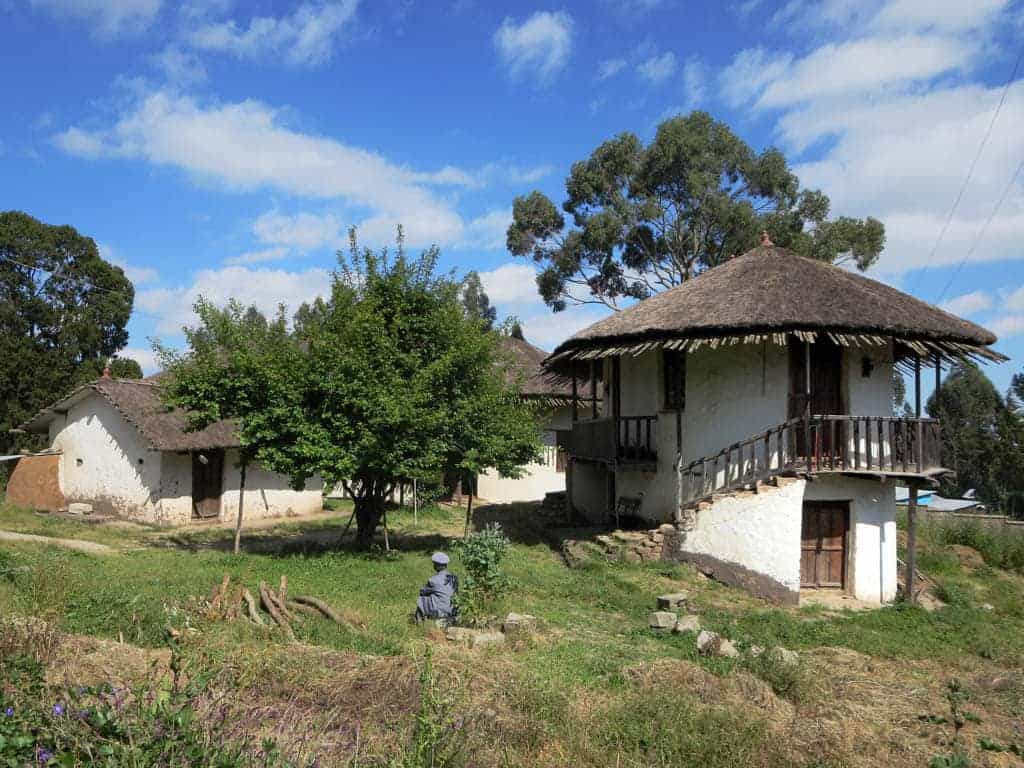
Addis Ababa Cooking injira class
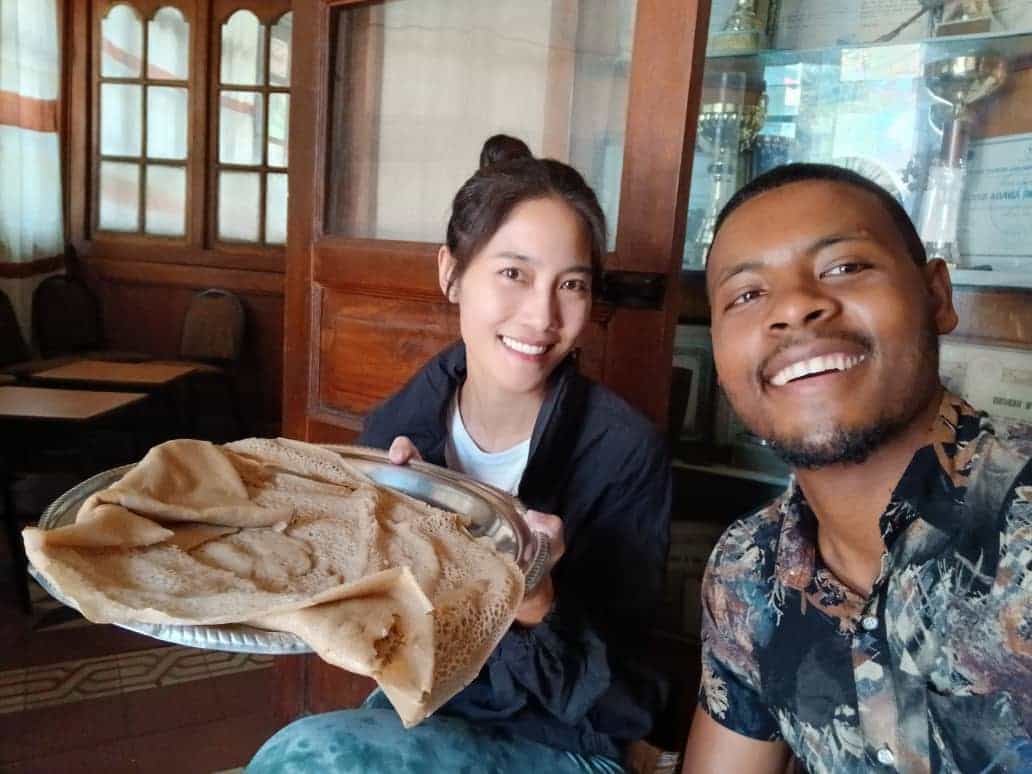
Full-day hands-on Ethiopian cooking class with a guided market visit, coffee ceremony, and practical instruction in making injera and traditional dishes. Pickup included from hotel or airport; ends with drop-off.
In Collaboration with Vowland Ethiopia tour . Updated on February 13, 2026.
This itinerary was created in collaboration with Vowland Ethiopia tour , inspired by the tour Addis Ababa Cooking injira class. Please check the tour information during your booking process.
Highlights
- Guided visit to a bustling Addis Ababa market to select fresh ingredients
- Hands-on preparation of injera and traditional Ethiopian stews
- Full Ethiopian coffee ceremony from bean roasting to brewing
Explore all itineraries in Addis Ababa.
Itinerary
Day 1
Full-day cooking class with market visit, hands-on cooking, lunch, dessert and traditional coffee ceremony; includes guide, transport, water and recipe booklet.
Hotel / Airport pick-up
Pickup from your hotel or from Bole International Airport (if arriving same day). Meet your driver and guide; brief orientation and transfer to the market.
Tips from local experts:
- Confirm your exact pickup address with the operator the evening before to ensure timely collection.
- Have your hotel name, room number and a local phone number handy for the driver to contact you if needed.
- If you are being picked up from Bole International Airport, allow extra time for baggage collection and immigration.
Guided visit to local market (ingredient selection)
Walk the stalls with your guide to learn about Ethiopian spices (berbere, mitmita, korerima), grains (teff, chickpeas) and fresh produce; pick ingredients for the cooking session.
Tips from local experts:
- Carry small-denomination Ethiopian birr for small purchases and for sampling produce at stalls.
- Ask the stall vendor before taking photos of people or produce; many are used to tourists but appreciate being asked.
- Wear comfortable shoes — market surfaces can be uneven and there will be short walking between stalls.
Coffee break & cultural insight (traditional coffee ceremony)
Short stop at a local coffee house for a traditional coffee ceremony and an introduction to Ethiopian food culture and cooking traditions.
- Monday6:30 AM – 8:30 PM
- Tuesday6:30 AM – 8:30 PM
- Wednesday6:30 AM – 8:30 PM
- Thursday6:30 AM – 8:30 PM
- Friday6:30 AM – 8:30 PM
- Saturday6:30 AM – 8:30 PM
- Sunday6:30 AM – 8:30 PM
Tips from local experts:
- Try to arrive at the coffee house with clean hands; the ceremony often involves communal servings and is a cultural moment.
- If you have strong dietary preferences, mention them before the ceremony so hosts can suggest appropriate accompaniments.
- Keep this time relaxed — the ceremony is meant to be savored and is a key cultural element of the day.
Transfer to cooking studio / local home
Short transfer to the cooking studio or local home where the hands-on session takes place; brief rest and setup on arrival.
Tips from local experts:
- There may be tight parking near some homes/studios — follow the guide's instructions for the exact meeting spot.
- Use this short transfer to confirm any dietary restrictions with the cook so they can adapt recipes if possible.
- Carry a lightweight day bag with sunscreen and any personal items you might need during the session.
Cultural etiquette & dress code (agenda item)
Briefing on local dining customs (including communal eating and eating with hands), dress suggestions and practical etiquette to enhance the experience.
Tips from local experts:
- Wear comfortable, casual clothing you don't mind having food on; light layers are useful inside homes or small studios.
- If you're not comfortable eating with your hands, let your host know — they will suggest alternatives or provide utensils discreetly.
- Bring small local cash if you wish to buy spices or small souvenirs later; many small shops prefer cash.
Hands-on cooking session: injera and traditional dishes
Practical instruction in making injera (teff flatbread) and preparing a selection of traditional stews and sides under the guidance of local chefs or hosts.
Tips from local experts:
- Notify the guide of any allergies or strong dislikes before cooking begins so recipes can be adapted where possible.
- Be ready to stand for parts of the cooking session; instructors will provide seating for tasting and breaks.
- Keep a small notebook or use your phone to note spice names and proportions — you'll receive a recipe booklet but personal notes help retention.
Lunch — enjoy the meal you prepared
Sit down to share the dishes prepared during the session. Discussion on Ethiopian dining etiquette, communal eating and the history behind the recipes.
- Monday11:30 AM – 9:00 PM
- Tuesday11:30 AM – 9:00 PM
- Wednesday11:30 AM – 9:00 PM
- Thursday11:30 AM – 9:00 PM
- Friday11:30 AM – 9:00 PM
- Saturday11:30 AM – 9:00 PM
- Sunday11:30 AM – 9:00 PM
Tips from local experts:
- Share portions and tastes as locals do — communal eating is central to the experience; follow the host's lead on serving order.
- If you need a moment away from the communal table (e.g., for dietary reasons), communicate gently to the host.
- Keep water nearby between dishes; some stews may be spicy if prepared with berbere or mitmita.
Dessert preparation & full Ethiopian coffee ceremony
Prepare a traditional dessert such as chechebsa or firfir, then participate in a full coffee ceremony from roasting beans to brewing and tasting.
- Monday11:30 AM – 9:00 PM
- Tuesday11:30 AM – 9:00 PM
- Wednesday11:30 AM – 9:00 PM
- Thursday11:30 AM – 9:00 PM
- Friday11:30 AM – 9:00 PM
- Saturday11:30 AM – 9:00 PM
- Sunday11:30 AM – 9:00 PM
Tips from local experts:
- If you prefer milder coffee, mention it to the host; traditional brews can be strong and are often served without milk.
- Ask to observe bean roasting up close but keep a safe distance from hot equipment and open flames.
- Take photos discreetly during the ceremony and ask permission if people in the group are present.
Closing, recipe booklet & optional spice shopping
Receive a recipe booklet and a small spice sample. Optionally visit a nearby spice shop for additional purchases (cash recommended).
- Monday9:00 AM – 7:30 PM
- Tuesday9:00 AM – 7:30 PM
- Wednesday9:00 AM – 7:30 PM
- Thursday9:00 AM – 7:30 PM
- FridayClosed
- Saturday9:00 AM – 7:30 PM
- Sunday9:00 AM – 7:30 PM
Tips from local experts:
- Bring Ethiopian birr in small denominations for spice purchases — many small shops do not accept cards.
- Ask shopkeepers to weigh spices in front of you to confirm quantities and freshness.
- If buying teff flour, check packaging and confirm if it's certified for export if you plan to take it home.
Drop-off at hotel (end of experience)
Return transfer to your hotel or agreed drop-off point in Addis Ababa. End of the cooking class.
Tips from local experts:
- Confirm your preferred drop-off address with the guide at the start of the day so the driver knows the route.
- Collect all personal items (phones, jackets, souvenir bags) before leaving the cooking studio to avoid forgotten items.
- If you enjoyed the experience, prepare any short feedback for your guide to help future guests — verbal feedback is appreciated.
Itinerary Attributes
| Days | 1 |
| Highlights | 3 |
| Season | - |
| Month | - |
| Persona | Friends |
| Transfers | 3 |
| Restaurants | 1 |
| Total Activities | 7 |
| Total Places | 7 |
| Activities Types | Transfer, Attraction, Culture, Experience, Meal, Shopping |
Addis Ababa Cooking: Injira Class
Learn to make injira from scratch—the spongy sourdough flatbread that's the foundation of every Ethiopian meal. In a hands-on class, you'll mix, ferment, and cook the dough yourself, then discover how it transforms into something that's part plate, part utensil, part ritual. By the end, you're eating what you made, in the context where it actually belongs.
Injira isn't just food; it's how Ethiopians eat together, share meals, and gather. Learning to make it is learning to cook like Ethiopia does.
Why this experience
Injira is the connective tissue of Ethiopian food culture. Every meal is served on it; you eat with it; you use it to scoop stews and hold the communal experience together. But making injira is a craft—the fermentation timing, the heat management, the muscle memory of spreading it thin—and it's not something you pick up quickly or casually.
A guided cooking class walks you through each step with someone who's been making injira daily for years. You'll understand why fermentation matters (it creates the characteristic sour tang and spongy texture), how altitude and temperature affect the process, and how to judge when the dough is ready. Most classes include a market walk beforehand, where you'll see the grains and spices that matter most in Ethiopian cooking, then return to cook together.
You're not just following a recipe. You're learning the logic—how to adapt the process if conditions change, how to taste and adjust, how fermentation works. By the end of the class, you'll eat injira you made yourself, often alongside other dishes the instructor has prepared, and you'll understand not just what injira tastes like but why it's inseparable from Ethiopian identity.
This is hands-on, participatory, and designed for cooks of any level.
Before you go
- Best time: October to February (cool, dry weather makes cooking comfortable). April to June can be hot; June to August brings rain and humidity.
- Budget: Classes are usually half-day or full-day experiences. Plan for class fees, ingredients, and any transportation. Some operators include a meal or market walk; ask what's covered.
- Difficulty: Low. Injira-making is accessible to all ages and fitness levels. It's more about patience and attention than physical strength.
- What to bring: Comfortable clothes (you'll be working with dough), closed-toe shoes if there's a market component, a notebook if you want to record the proportions and timing, sunscreen if the class is held outdoors.
- Getting there: Most classes operate from central Addis Ababa or are easily accessible by Ride app or hotel taxi. Ask the operator for meeting location and timing.
- Accessibility: Cooking classes are generally accessible. If you have specific mobility needs, ask about seating, counter height, and how the class is structured so you can participate fully.
Frequently asked questions
How long is a typical cooking class? Most range from 3–5 hours, depending on whether a market visit is included. Half-day classes focus on injira-making and one or two complementary dishes. Full-day classes expand to include market exploration, multiple dishes, and eating together.
Can I do this if I have no cooking experience? Absolutely. Injira-making doesn't require prior cooking skills—it's more about following steps carefully and developing feel over time. The instructor will guide you through each stage.
What exactly gets made? The core is injira. Most classes include at least one or two Ethiopian dishes (wats, shiro, tibs) so you have a complete meal. You're eating communally at the end—the experience is as much about gathering around food as it is about the techniques.
What's included in the class? Your guided experience with the operator includes instruction, use of kitchen facilities, ingredients, and the meal you prepare and eat together. Ask about what's provided (lunch, drinking water, spices) versus what's expected of you to bring. TheNextGuide's partnership with the operator ensures quality and fair pricing.
Is this vegetarian-friendly? Injira and vegetable-based Ethiopian dishes are naturally plant-based. Many classes can accommodate vegetarian or vegan preferences if you mention it in advance.
Will I be able to replicate this at home? The basic proportions and method are portable, but fermented-grain cooking changes with climate, altitude, and water chemistry. You'll know the logic well enough to adapt when you're home, though recreating it perfectly may take practice. Instructors often share written instructions or links to further resources.
Complete your trip in Addis Ababa
Ground your cooking education in Addis Ababa's broader food and cultural scene. Pair this class with From Lucy to Today: Addis Ababa's Living History Tour to understand the historical context of Ethiopian food traditions. Then explore the city's markets and neighbourhoods with Explore Addis Ababa City Tour with Half or Full Day. For a deeper immersion in Addis Ababa's culture, add Nature Escape with Wenchi Crater Lake Day Tour for balance between urban and natural experiences. Consider also the 4 Days Cultural Omo Valley Tribe Tour if you want to extend and explore food and culture in Ethiopia's most remote regions.
Browse all Addis Ababa itineraries at TheNextGuide.