Lisbon Reveillon — A Coastal, Runner-Friendly 3-Day Plan
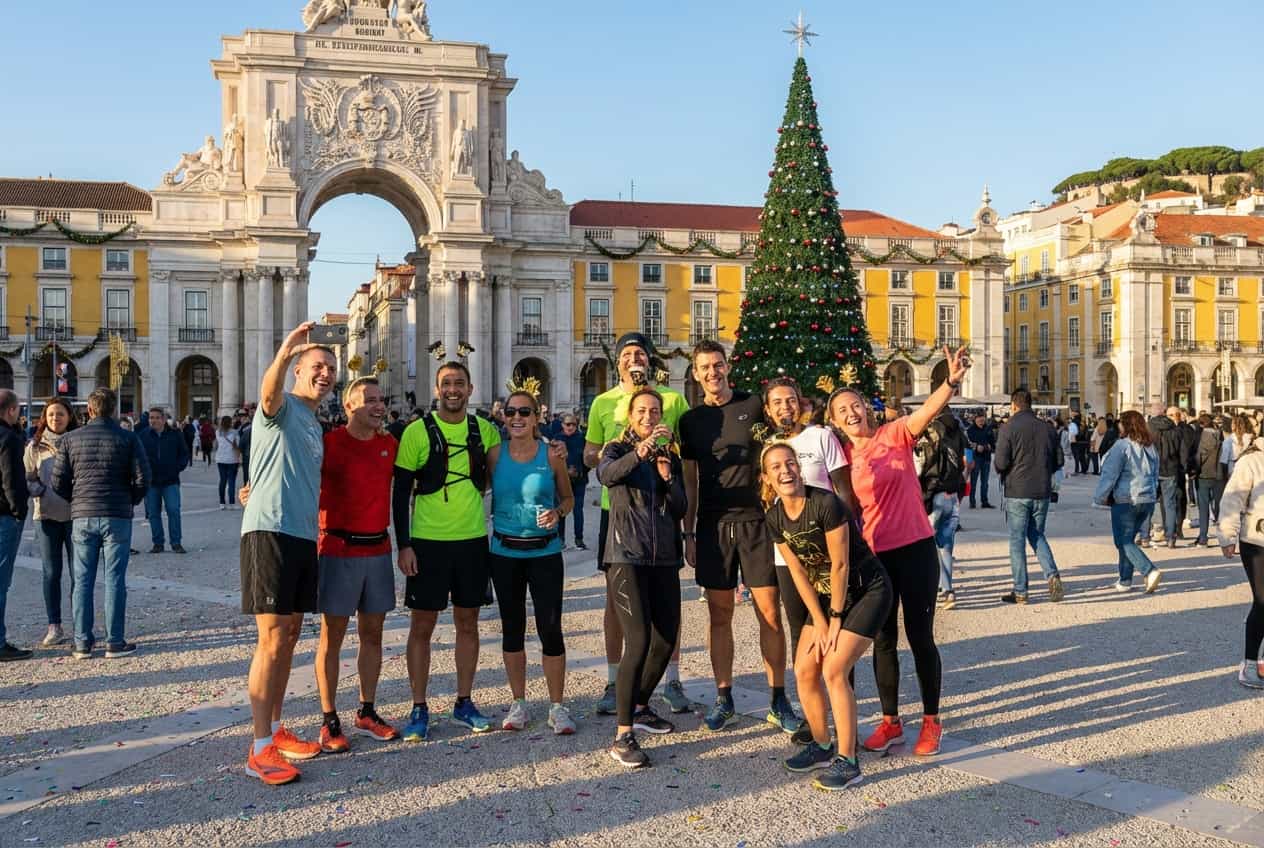
A breezy, coastal-pep 3-day New Year (Reveillon) itinerary for runners who want scenic morning/late-evening runs, solid hydration stops, and Lisbon’s waterfront festivities. Designed for December (Winter) with shorter daylight and cool temps — routes prioritize safety, lighting, and easy escape routes.
Highlights
- Riverside shakeout runs along the Tagus
- Trail loops in Monsanto Forest Park
- Classic Pastéis de Belém refuel
- New Year’s fireworks at Praça do Comércio
- Beach sand-run at Costa da Caparica
Explore all itineraries in Lisbon.
Itinerary
Day 1
Arrival, gentle riverside shakeout, seafood dinner, early rest to prep for an active two days.
Check-in at Memmo Alfama (central base)
Settle into a compact, runner-friendly hotel in Alfama with easy access to riverfront warm-ups and early-morning routes.
Tips from local experts:
- Ask reception for a late checkout option or luggage hold — handy if you plan an early morning run on Day 3 before leaving.
- Request a room on a higher floor for quieter nights; Alfama streets have steep cobbles that can echo.
- Confirm where they keep a small drying rack or spare hangers — damp running gear dries faster on radiators in winter.
Sunset Riverside Shakeout: Cais do Sodré → Ribeira das Naus
An easy 5–6 km flat run along the Tagus to loosen legs after travel; excellent light and skyline views as daylight fades early in December.
Tips from local experts:
- Stick to the wide promenades (Ribeira das Naus) to avoid cobblestone slips — use road lamps for better visibility after 17:00.
- Refuel at a café near Cais do Sodré (e.g., small kiosk or 'Mercearia' style café) — keep a 200–300 ml bottle with electrolytes in case local cafés are busy.
- If you prefer quieter routes, angle toward Docas de Santo Amaro for sheltered paths and fewer pedestrians.
Dinner: Cervejaria Ramiro — Portuguese seafood classic (early seating)
A runner-pleasing protein-forward dinner option — book an early table to avoid long queues on a busy winter evening.
- MondayClosed
- Tuesday12:00 PM – 12:00 AM
- Wednesday12:00 PM – 12:00 AM
- Thursday12:00 PM – 12:00 AM
- Friday12:00 PM – 12:00 AM
- Saturday12:00 PM – 12:00 AM
- Sunday12:00 – 11:00 PM
Tips from local experts:
- Reserve an early table (19:30) so you can eat before streets get colder and you can return to stretch and foam-roll in your room.
- Order shareable plates (shellfish + legumes) to restore carbs and protein; ask for a lemon wedge and extra water for instant electrolytes.
- Keep a spare plastic bag or waterproof pouch for sweaty kit — staff are used to runners' gear and will often accommodate a short dry-stow.
Evening Wind-Down & Stretch
Short hotel cooldown, stretching and foam rolling — prioritize rest for a longer morning run tomorrow.
Tips from local experts:
- Use the room heater briefly to warm up tight muscles, then stretch while muscles are warm but not sweaty to avoid chill.
- Place shoes on a towel in the bathroom; steam from a hot shower will help damp gear dry faster overnight.
- Set alarms and lay out layered running kit — winter mornings are deceptively chilly but get warmer quickly on the waterfront.
Day 2
Trail-focused morning in Monsanto, Belém culture + pastries midday, MAAT riverside stroll, and a safe, scenic NYE plan at Praça do Comércio.
Early-Morning Trail Loop: Parque Florestal de Monsanto
A 10–12 km trail run on packed dirt and forest tracks — hilly segments for strength and shaded loops for calmer wind exposure in winter.
- MondayOpen 24 hours
- TuesdayOpen 24 hours
- WednesdayOpen 24 hours
- ThursdayOpen 24 hours
- FridayOpen 24 hours
- SaturdayOpen 24 hours
- SundayOpen 24 hours
Tips from local experts:
- Wear trail shoes with good grip — some singletrack sections are muddy in December; gaiters help keep gravel out.
- Start by headlamp or run with a bright front light if you leave before sunrise; main paths are marked but side trails can be dark.
- Bring a small hydration pack; fountains exist at park entrances but may be turned off for winter — check park taps or stop by a café in the Alcântara/Amoreiras neighborhoods afterward.
Transfer to Belém (tram 15 or taxi) — fuel up en route
Quick transfer to Belém for pastries and riverside culture. Tram 15 is scenic; taxis are faster if you want more recovery time.
Tips from local experts:
- If taking tram 15, validate tickets in advance and sit to stretch your legs; tram can be busy midday but quieter in morning.
- Taxi or rideshare is ~15–20 minutes from central Monsanto areas — worth it if you want to save time and keep muscles warm.
- Carry a small snack bar for the transfer in case pastry queues are long — it keeps glycogen steady after a long trail run.
Pastéis de Belém pitstop + quick visit to Mosteiro dos Jerónimos
Classic New Year fuel: sample the original custard tarts and take a brisk cultural walk around the monastery gardens to loosen legs.
- Monday8:00 AM – 9:00 PM
- Tuesday8:00 AM – 9:00 PM
- Wednesday8:00 AM – 9:00 PM
- Thursday8:00 AM – 9:00 PM
- Friday8:00 AM – 9:00 PM
- Saturday8:00 AM – 9:00 PM
- Sunday8:00 AM – 9:00 PM
Tips from local experts:
- Order a single pastel and coffee to stretch the queue time into a mini cooldown — sit at the café courtyard if it's open to keep warm.
- Walk the adjacent lawn of the monastery as a cool-down loop rather than standing in the pastry line the whole time.
- If you're on a timed schedule, buy pastries to go and enjoy them on the riverside promenade — a nice carb boost before midday exploring.
MAAT & Riverside Architecture Walk
Easy, low-impact stroll at the MAAT and riverfront — great for mobility work and photographic moments with the Tagus in winter light.
- Monday10:00 AM – 7:00 PM
- TuesdayClosed
- Wednesday10:00 AM – 7:00 PM
- Thursday10:00 AM – 7:00 PM
- Friday10:00 AM – 7:00 PM
- Saturday10:00 AM – 7:00 PM
- Sunday10:00 AM – 7:00 PM
Tips from local experts:
- Use the MAAT rooftop staircases for stair-run reps if you want a quick strength set, but keep it short and controlled for sightseeing companions.
- Cafés around MAAT offer hot beverages — plan a 10–15 minute stop for hydration and a warmup against Tagus winds.
- Pick paths sheltered from the river breeze for post-run mobility; the museum's interior offers heated bathrooms for sock/foot checks.
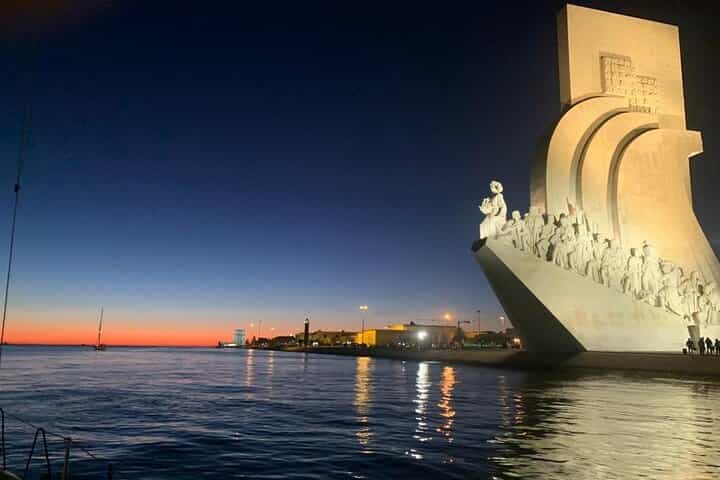
Late-Afternoon Belém Riverside Easy Run & Sunset
A relaxed 6–8 km out-and-back along the Belém shore — great light, fewer crowds in winter and good footing on flat promenades.
- MondayClosed
- Tuesday9:30 AM – 5:30 PM
- Wednesday9:30 AM – 5:30 PM
- Thursday9:30 AM – 5:30 PM
- Friday9:30 AM – 5:30 PM
- Saturday9:30 AM – 5:30 PM
- Sunday9:30 AM – 5:30 PM
Tips from local experts:
- Run with reflective gear and a light if your sunset runs edge past 17:00; Belém promenade is well lit but visibility still matters.
- Plan a water stop at the Belém Cultural Center café; keep a compact bottle if you prefer more control over intake.
- Watch for slick patches near the river spray and avoid the older cobbled sections — stick to the wider pavement.
Early dinner and regroup for New Year’s Eve — pre-event nutrition
An early, carbohydrate-focused dinner to fuel a long night. Keep it light and steady so you can stay mobile for the evening celebration.
Tips from local experts:
- Choose a restaurant near the river so you can drop jackets and return quickly to your viewing spot; ask for cutlery to-go if plans change.
- Avoid heavy, greasy meals that weigh you down; grilled fish or pasta with vegetables works well for energy and comfort in winter.
- Bring a small foldable pack or light daypack for extra layers and an electrolyte sachet — easy to stash and hydrate on the square.
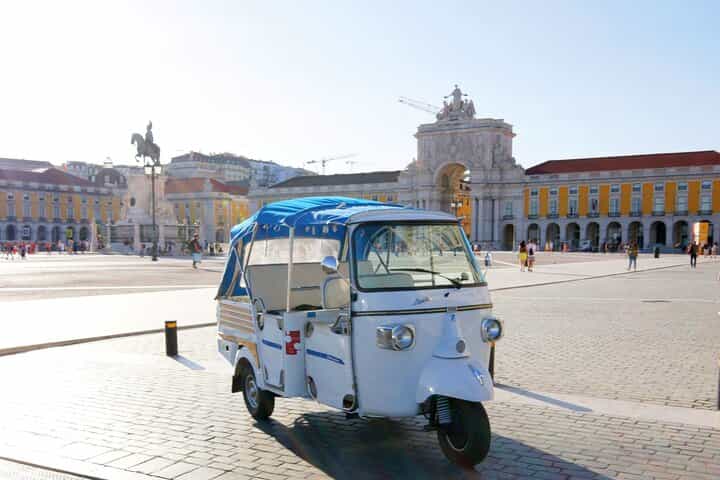
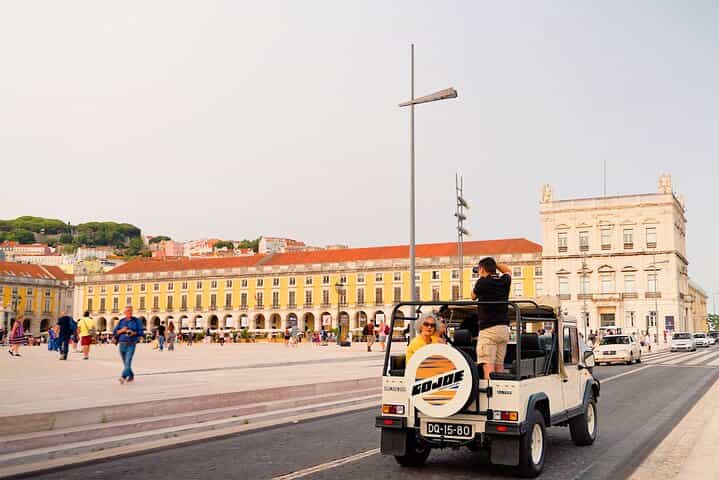
Praça do Comércio — New Year’s fireworks viewing (Reveillon)
Join Lisbon’s main riverside New Year’s celebration; pick an early viewing spot, stay aware of exits, and enjoy the fireworks over the Tagus.
- MondayOpen 24 hours
- TuesdayOpen 24 hours
- WednesdayOpen 24 hours
- ThursdayOpen 24 hours
- FridayOpen 24 hours
- SaturdayOpen 24 hours
- SundayOpen 24 hours
Tips from local experts:
- Arrive early to claim a well-lit spot near exit routes; as runners you’ll want a place that allows a quick jog-away if you need to avoid crowds.
- Carry a thermal layer and compact hand-warmer — standing still by the river is colder than running, especially after midnight.
- Identify public transport escape routes (Cais do Sodré, Rossio trams/metro) in advance — taxis surge at midnight, so have alternate plans.
Day 3
Hilly Alfama morning run, castle visit, market lunch, transfer to Costa da Caparica for a sandy long run, then seaside dinner and recovery.
Pre-breakfast Hill Repeats: Alfama Loop & Miradouros
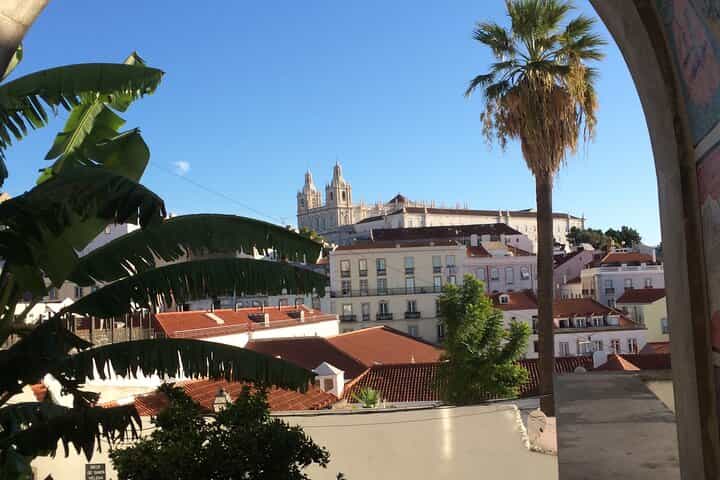
Short, steep hill intervals in historic Alfama — 6–7 km with stairs and viewpoints (Miradouro) to build strength and earn panoramic city views before crowds.
- MondayOpen 24 hours
- TuesdayOpen 24 hours
- WednesdayOpen 24 hours
- ThursdayOpen 24 hours
- FridayOpen 24 hours
- SaturdayOpen 24 hours
- SundayOpen 24 hours
Tips from local experts:
- Use grippy shoes — Alfama’s old cobbles and stairs are slippery in winter drizzle; carry microspikes only if heavy rain is expected.
- Keep to main staircases and marked lookout routes (Miradouro de Santa Luzia) for better lighting and fewer blind corners.
- Post-run, detour to a small café in Alfama for hot chocolate or espresso to warm up quickly and rehydrate.
Breakfast at Pois Café (Alfama) — relaxed refuel
A cozy spot popular with locals; great for a warm, hearty breakfast after hill work and for topping up fluids.
- Monday8:00 AM – 4:00 PM
- Tuesday8:00 AM – 4:00 PM
- Wednesday8:00 AM – 4:00 PM
- Thursday8:00 AM – 4:00 PM
- Friday8:00 AM – 4:00 PM
- Saturday8:00 AM – 4:00 PM
- Sunday8:00 AM – 4:00 PM
Tips from local experts:
- Orders tend to be generous; pick protein-rich options (eggs/toast) to assist muscle recovery after hill repeats.
- Ask for tap water and a decaf option if you’re sensitive to too much caffeine early in the morning.
- Reserve or arrive early — seating is limited in winter and you’ll want a comfortable place to stretch calves and roll.
Castelo de São Jorge visit — light cultural cooldown
A mobility-friendly stroll around the castle grounds with skyline views — ideal for cooling down and sightseeing after a morning run.
- Monday9:00 AM – 6:00 PM
- Tuesday9:00 AM – 6:00 PM
- Wednesday9:00 AM – 6:00 PM
- Thursday9:00 AM – 6:00 PM
- Friday9:00 AM – 6:00 PM
- Saturday9:00 AM – 6:00 PM
- Sunday9:00 AM – 6:00 PM
Tips from local experts:
- Stick to the main paths and terraces for easier footing — avoid the steep back alleys if your calves are still tight.
- Use the castle restrooms to check feet for blisters or hot spots; winter temperatures can hide issues until later in the day.
- Combine the visit with a short mobility circuit on the grassy terraces — great for active recovery and photo stops.
Lunch at Time Out Market Lisboa — flexible refuel
Wide variety for varied diets and quick recovery foods; easy for groups with different preferences and perfect for rehydration options.
- Monday10:00 AM – 12:00 AM
- Tuesday10:00 AM – 12:00 AM
- Wednesday10:00 AM – 12:00 AM
- Thursday10:00 AM – 12:00 AM
- Friday10:00 AM – 12:00 AM
- Saturday10:00 AM – 12:00 AM
- Sunday10:00 AM – 12:00 AM
Tips from local experts:
- Head straight to fish/vegetable stalls for balanced meals — pair with a fresh-juice stall for vitamin C and electrolytes.
- Seek out quieter seating areas early (just after 12:00) to lay out gear and do a quick mid-day roll.
- Time Out has bottled water and thermal drinks; consider picking up a travel bottle refill to bring to the beach transfer.
Transfer to Costa da Caparica (train+bus or taxi) — prepare for sand running
Cross the 25 de Abril area toward Almada/Costa da Caparica for an iconic wide-sand long run along the Atlantic; plan 30–60 min transfer depending on transport.
Tips from local experts:
- Taxi/rideshare is fastest (~25–35 min) and lets you keep a warm layer; public transit (ferry + bus) is scenic but adds time and transfers.
- Carry an extra dry shirt and wrap — Atlantic wind can be much colder than central Lisbon even on a sunny winter day.
- Check tide times: lower tide gives firmer sand and easier running; firm-packed sand around low tide is kinder on the legs.
Coastal Sand Run: Costa da Caparica (long beach run)
A 10–14 km sandy run on a long, flat beach — excellent end-of-trip challenge with Atlantic vistas and ample space for pacing.
Tips from local experts:
- Run closer to the waterline where the sand is firmer — saves energy and reduces risk of calf strain.
- Bring sunscreen and a windproof layer even in winter — the Atlantic glare and wind can be deceptively strong.
- Plan a post-run rinse: some beach-side cafés have outdoor hoses/foot rinses or use a café restroom to clean off sand before the transfer back.
Return to Lisbon & Seaside Recovery Dinner (Chiado/Sea Me)
Head back for a celebratory seafood dinner with protein-rich plates — low-key end to a big three-day effort.
- Monday12:30 – 3:30 PM, 7:00 PM – 12:00 AM
- Tuesday12:30 – 3:30 PM, 7:00 PM – 12:00 AM
- Wednesday12:30 – 3:30 PM, 7:00 PM – 12:00 AM
- Thursday12:30 – 3:30 PM, 7:00 PM – 12:00 AM
- Friday12:30 – 3:30 PM, 7:00 PM – 12:00 AM
- Saturday12:30 PM – 12:00 AM
- Sunday12:30 PM – 12:00 AM
Tips from local experts:
- Choose light fish dishes, legumes and steamed greens — recovery-focused meals help with muscle repair and sleep quality.
- Ask for extra water and a small dessert like fresh fruit to restore glycogen without feeling heavy before bed.
- Stretch lightly at the table and do gentle foam rolling in the hotel afterward — helps reduce next-day stiffness after sandy long runs.
Itinerary Attributes
| Days | 3 |
| Highlights | 5 |
| Season | - |
| Month | - |
| Persona | Runners |
| Transfers | 2 |
| Restaurants | 6 |
| Total Activities | 16 |
| Total Places | 16 |
| Activities Types | Hotel, Outdoor, Restaurant, Break, Sport, Transfer, Meal, Attraction, Event, Culture |
Why this experience
Lisbon for New Year's Eve (Reveillon) is made for runners who want to celebrate while staying active. This three-day itinerary balances scenic runs—from riverside warm-ups and forest trails to an iconic beach run at Costa da Caparica—with the magic of Lisbon's waterfront NYE fireworks at Praça do Comércio. Cool, short winter daylight is ideal for early-morning hill repeats in Alfama, protected riverside runs, and the sensory experience of running past historic monuments.
The plan prioritizes safe routes with good lighting, hydration stops, and refueling options. You'll start with a gentle coastal shakeout, progress to trail work in Monsanto Forest Park, then finish with a long sandy run at the Atlantic coast before the evening celebration. Every run feeds a runner-focused meal—from fresh seafood to pastéis de Belém—while staying connected to Lisbon's culture and energy.
Whether you're chasing distance, building strength before NYE festivities, or simply running toward good food and fireworks, this itinerary merges the solitary joy of running with the collective energy of a city celebrating.
Before you go
- Best time: December (winter, Reveillon/New Year's focus). Cool mornings (around 8–10°C) warm to mild afternoons (12–15°C). Short daylight means early sunrise runs and sunset viewing around 17:00.
- Budget: Mid-range to moderate. Meals are simple refueling (pastries, seafood, recovery plates). Hotels are runner-friendly boutiques. No tour bookings required; this is self-guided.
- Difficulty: Moderate to challenging. Includes trail running (Monsanto, 10–12 km), hill repeats (Alfama stairs), long beach runs (10–14 km on sand). Not for beginners; assume consistent weekly mileage.
- What to bring: Trail shoes for Monsanto (muddy packed dirt in December); reflective gear and front light for early-morning runs before sunrise; gaiters for gravel; microspikes optional for icy conditions; foam roller for hotel recovery.
- Getting there: Arrive at Humberto Delgado Airport, ~10km north. Metro red line or taxi to Alfama (Memmo Alfama hotel base) is direct and runner-friendly.
- Accessibility: This itinerary is designed for active runners and is not accessible for mobility limitations. Alfama's stairs, forest trails, and beach sand require full running ability. NYE viewing at Praça do Comércio is flat and accessible for spectators.
Frequently asked questions
What's included in this itinerary? This self-guided itinerary curated on TheNextGuide includes a 3-day running schedule with 16 hand-picked runs, cultural stops, and meals. Times, distances, and route tips are provided. This is not a guided tour—you navigate and run independently. Restaurants and hotels are recommended; check booking widget for current pricing or book directly.
How do I get to Costa da Caparica for the beach run? Transfer from central Lisbon by taxi or rideshare (~25–35 minutes from Chiado/Belém areas), or use public transit (ferry from Caparica terminal + local bus). Taxi is fastest but pricier; public transit is scenic and cheaper. Either way, plan 1 hour total transfer time including warm-up prep at the beach.
Can I skip the Monsanto trail run if I prefer road running? Yes. Substitute with a 10–12 km road loop along the Belém riverside or a second Alfama hill repeat session. The principle stays the same: build strength and mileage before the Costa da Caparica long run.
What if the weather is too cold or rainy on a scheduled run day? Lisbon's December rain is typically light drizzle. Wear a lightweight waterproof layer and stick to well-lit riverside and urban routes. If conditions are dangerous (ice, heavy rain), substitute with an indoor strength session at the hotel or extend a lighter run day instead.
Complete your trip in Lisbon
This itinerary is tailored for runners seeking activity-focused travel. To round out your Lisbon experience, explore these complementary itineraries:
- lisbon-coastal-and-park-runs-4-day-runners-itinerary-november — Another runner-focused multi-day plan with different route emphasis.
- lisbon-in-48-hours-romantic-food-wine-and-sunset-escapes — Pair running mornings with romantic evening exploration and dining.
- 3-day-lisbon-solo-traveler-iconic-sights-food-and-fado — Add cultural depth (fado, museums) without heavy physical activity.
Browse all Lisbon itineraries at TheNextGuide.
Last updated: March 2026