One-day Artist's Rome: Studios, Plein Air & Local Galleries
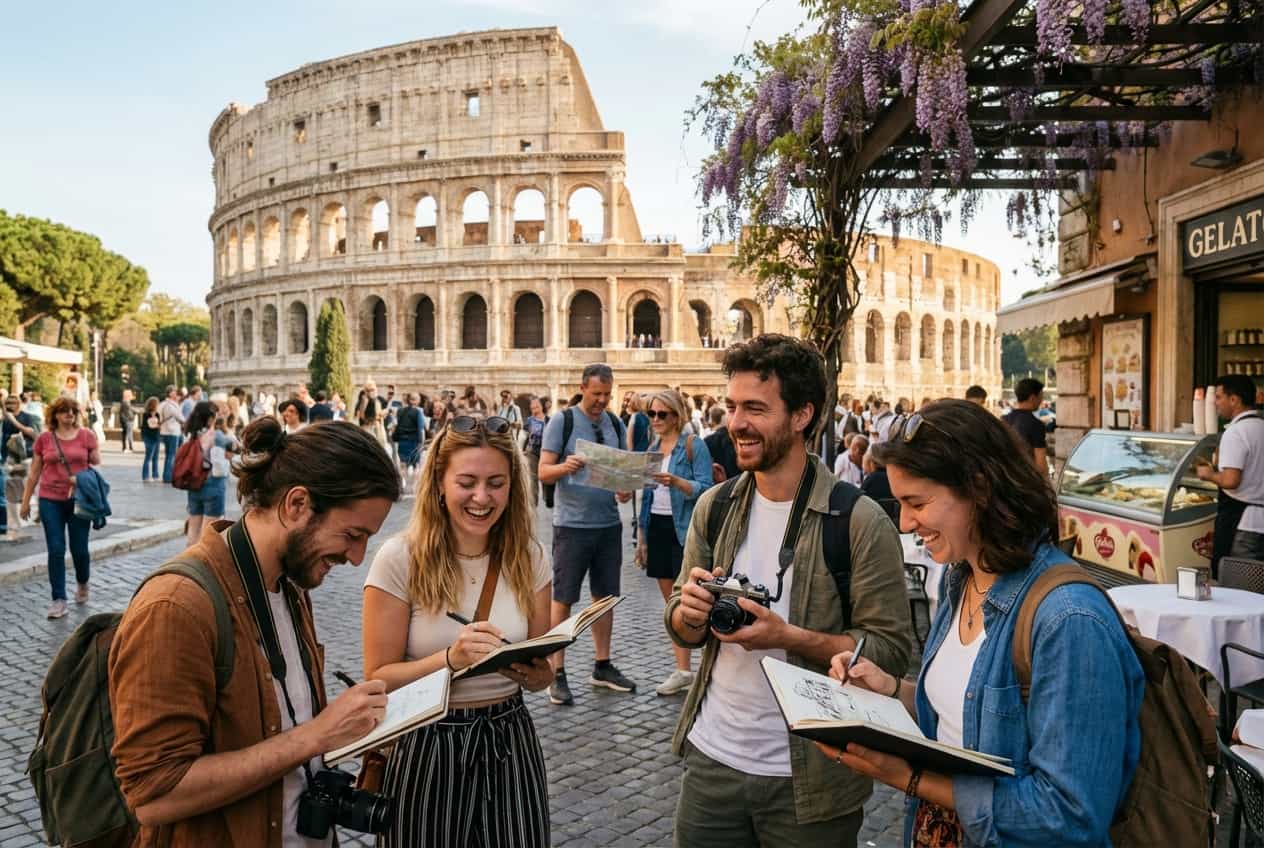
A relaxed, art-focused day in Rome for visual artists: plein-air painting with a sweeping view, visits to authentic artist studios and a small contemporary gallery, time to hunt for papers and materials, and an evening aperitivo for sketching and reflection. Planned for March (early spring) with indoor options if it rains.
Highlights
- Janiculum (Giardino degli Aranci) — iconic, low-traffic panorama for plein-air painting
- Pastificio Cerere — historic artist studio complex and working studios
- Frutta Gallery — artist-run contemporary program
- Il Papiro — handcrafted papers and bookbinding materials
- Trastevere & Monti — neighborhoods with artist cafés and evening sketching spots
Explore all itineraries in Rome.
Itinerary
Day 1
A day tailored for practicing artists: warm-up sketches, a long plein-air session with a view, studio visits, a local gallery, shopping for specialty papers, and an evening aperitivo with sketching time.
Breakfast and warm-up sketch at Bar San Calisto (Trastevere)
Start with a strong espresso and a quick warm-up sketch in a lively, local Trastevere café favored by creatives. Use this time to loosen up, test color mixes and plan your day's subjects.
- Monday6:00 AM – 2:00 AM
- Tuesday6:00 AM – 2:00 AM
- Wednesday6:00 AM – 2:00 AM
- Thursday6:00 AM – 2:00 AM
- Friday6:00 AM – 2:00 AM
- Saturday6:00 AM – 2:00 AM
- Sunday6:00 AM – 2:00 AM
Tips from local experts:
- Bring a 15 x 20 cm sketchbook and water-soluble pencil — the café is busy, so a small setup fits easily on the table.
- Ask for a spot near the window or the outdoor tables for natural side-lighting; power outlets are rare so charge devices beforehand.
- If the cafe is full, step outside and sketch the cobbled street; locals are used to artists working in public and it’s an authentic vibe.
Transfer: walk / short ride to Giardino degli Aranci (Janiculum view)
A scenic 15–25 minute walk (or short taxi) across Trastevere up to the Giardino degli Aranci — use the walk to make quick compositional thumbnail sketches.
Tips from local experts:
- Walk slowly and make 1–2 quick thumbnails from different viewpoints — the route itself offers surprising compositions (stairs, terraces, lamp posts).
- If you prefer less uphill walking, take a short taxi or bus; tell the driver 'Giardino degli Aranci' to be dropped close to the belvedere.
- Keep a small plastic folder for wet sketches in case of light March drizzle — weather can be changeable in early spring.
Plein-air painting / sketching at Giardino degli Aranci (Belvedere)
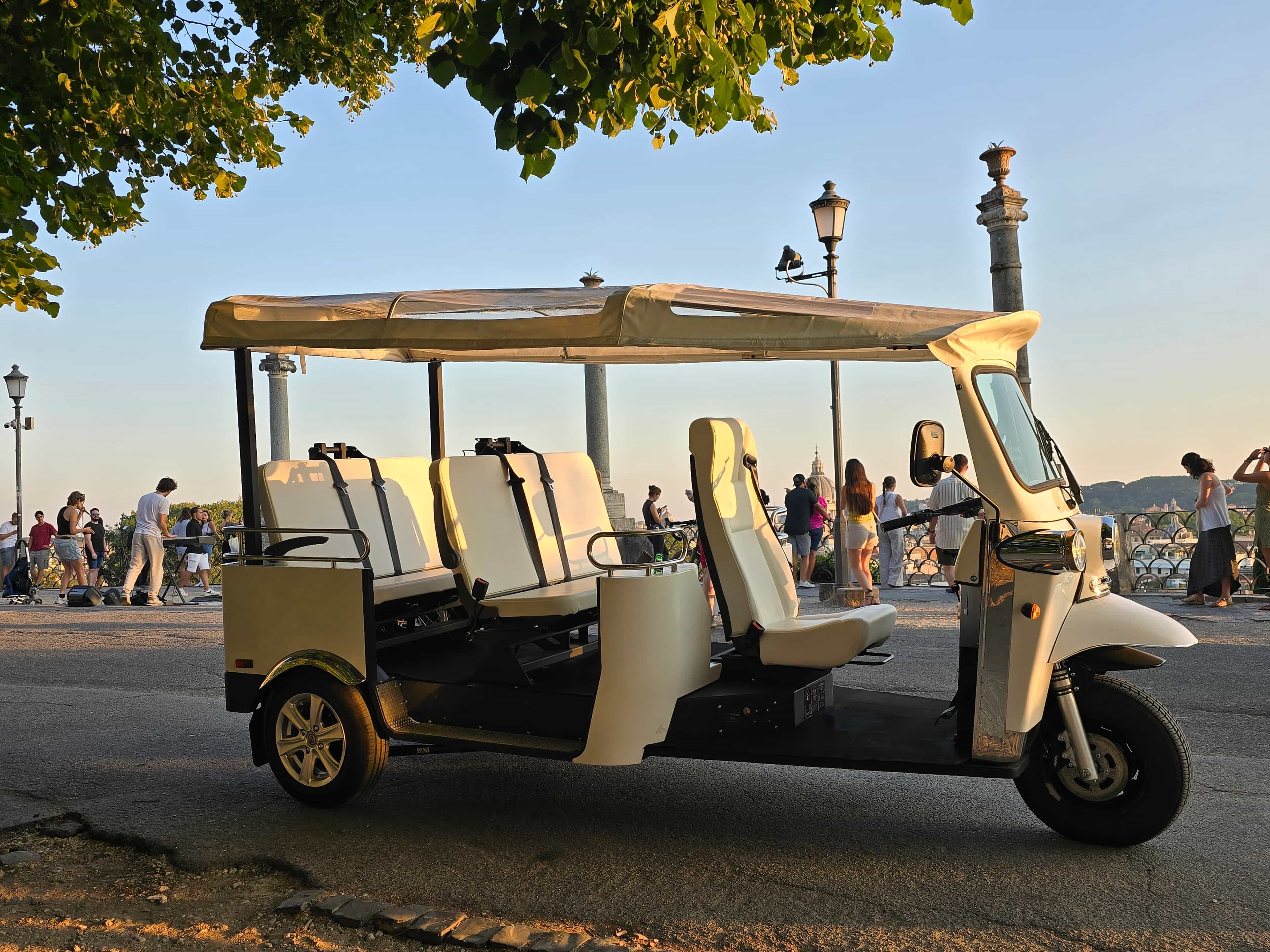
Set up for a long plein-air session with one of Rome’s best panoramic views over the historic center — ideal for studying warm light on terracotta roofs and domes.
- Monday7:00 AM – 6:00 PM
- Tuesday7:00 AM – 6:00 PM
- Wednesday7:00 AM – 6:00 PM
- Thursday7:00 AM – 6:00 PM
- Friday7:00 AM – 6:00 PM
- Saturday7:00 AM – 6:00 PM
- Sunday7:00 AM – 6:00 PM
Tips from local experts:
- March light can be cool; start with a thin wash (warm ochre underpainting) to capture the spring tone of Roman roofs.
- Bring a portable pochade box or small pochade board and a wind clamp — the Janiculum can be breezy, especially near the terrace.
- If it starts raining, move to the covered loggia beside the belvedere or head to nearby indoor alternative: MACRO (useful back-up for contemporary work).
Transfer: short ride/walk to Pastificio Cerere (artist studios)
Head to Pastificio Cerere, the historic former pasta factory turned artist studios — a concentrated, working-artists environment where you can often meet practicing locals.
Tips from local experts:
- Book ahead where possible: some studios are open by appointment; a polite email or message can unlock quick studio visits.
- Carry business cards or a small portfolio — studio artists appreciate seeing samples and it opens conversation and possible collaboration.
- Wear comfortable shoes; the site is a cluster of studios with uneven floors and steps.
Studio walk and artist visits at Pastificio Cerere
Explore active studios and small project spaces in the Pastificio Cerere complex — meet local painters, sculptors and creatives working in a genuine community setting.
- MondayClosed
- Tuesday3:00 – 7:00 PM
- Wednesday3:00 – 7:00 PM
- Thursday3:00 – 7:00 PM
- Friday3:00 – 7:00 PM
- SaturdayClosed
- SundayClosed
Tips from local experts:
- Introduce yourself as an artist — straight, friendly conversation often leads to spontaneous studio tours and tips about supplies and local openings.
- Bring a slim portfolio or tablet with your work (offline) to exchange; many artists will reciprocate by showing work-in-progress.
- If you see an artist painting, ask before photographing; many will appreciate you sketching nearby and may even suggest colors or local pigments to try.
Transfer: walk to Trattoria Da Teo for lunch (Trastevere)
Short transfer back into Trastevere for a relaxed, ingredient-driven lunch — time to rest, review sketches, and exchange notes.
Tips from local experts:
- Use the walk to photograph color references (roof tiles, painted shutters) for later studio color studies.
- Ask the trattoria staff about local seasonal produce — discussing ingredients with cooks can spark color/texture ideas for still lifes.
- If you carry wet boards or paper, wrap them in a rigid folder to avoid smudging on the walk.
Lunch at Trattoria Da Teo (Trastevere) — relaxed and local
Enjoy fresh Roman cuisine in a friendly neighborhood trattoria — a good break to recharge and discuss morning sketches.
- Monday12:30 – 3:00 PM, 7:30 – 11:00 PM
- Tuesday12:30 – 3:00 PM, 7:30 – 11:00 PM
- Wednesday12:30 – 3:00 PM, 7:30 – 11:00 PM
- Thursday12:30 – 3:00 PM, 7:30 – 11:00 PM
- Friday12:30 – 3:00 PM, 7:30 – 11:00 PM
- Saturday12:30 – 3:00 PM, 7:30 – 11:00 PM
- SundayClosed
Tips from local experts:
- Order simple, seasonal dishes (e.g., cacio e pepe, fried artichokes) — the textures and colors are great references for still-life studies.
- Sit by the window or terrace to continue quick thumbnail sketches; lunchtime light is softer in March, useful for tonal studies.
- Keep napkins or paper towels handy for quick brush/blot tests if you need to check small color mixes.
Transfer to Frutta Gallery (small contemporary gallery)
A short transfer into the city center to visit an artist-run gallery with rotating shows by local creatives — more intimate than major museums.
Tips from local experts:
- Check the gallery’s opening hours in advance (many artist-run spaces switch hours) and arrive early for private viewing opportunities.
- Bring a notebook to jot down names and contacts of artists represented; galleries often host artists who give studio visits.
- If a show opening is happening (March often has small events), arrive a bit earlier to meet exhibiting artists before crowds form.
Visit Frutta Gallery — artist-run contemporary program
Explore current exhibitions and speak with gallery staff about the local scene, upcoming openings, and artist networks.
- MondayClosed
- TuesdayClosed
- WednesdayClosed
- ThursdayClosed
- FridayClosed
- Saturday11:00 PM – 7:00 AM
- SundayClosed
Tips from local experts:
- Ask the staff to recommend off-the-record artist studios and smaller project spaces — galleries often have insider lists.
- Bring a small sketchbook to capture compositions or installation ideas; many contemporary shows inspire scale and material experiments.
- If you’re interested in exhibiting or collaborating, leave a concise, printed one-page CV/statement — local gallerists appreciate clarity.
Transfer to Il Papiro (specialty paper & bookmaking)
Move toward the historic centre to browse high-quality handmade papers, marbled papers, and small bookbinding supplies ideal for artists.
Tips from local experts:
- Use the walk to photograph shopfronts and street colors — Corso and surrounding alleys have inspiring vintage palettes for collage work.
- If you’re carrying wet media, pack in a protective sleeve; some shop counters are small and not suited for large wet boards.
- Call ahead if you need a specific paper type (e.g., 300 gsm rag paper); Il Papiro can set items aside on request.
Shop and browse at Il Papiro — papers, marbling, and materials
Select handmade papers, try marbled samples, and pick up unique sketchbooks or binding supplies for studio projects back home.
- Monday10:30 AM – 7:00 PM
- Tuesday10:30 AM – 7:00 PM
- Wednesday10:30 AM – 7:00 PM
- Thursday10:30 AM – 7:00 PM
- Friday10:30 AM – 7:00 PM
- Saturday10:30 AM – 7:00 PM
- Sunday10:30 AM – 7:00 PM
Tips from local experts:
- Ask to see smaller sample sheets — perfect for testing color and absorbency before committing to larger sheets.
- Buy a few varieties (weights and tooth) to experiment later in the studio; Italian handmade papers are great for mixed media.
- If you’re planning a workshop back home, grab a roll of marbled endpapers — they make distinctive covers and inspiration swatches.
Transfer to Freni e Frizioni for aperitivo and evening sketching (Trastevere)
Head back to Trastevere for a lively, artist-friendly aperitivo bar with space to sketch, compare notes and watch evening light soften the façades.
Tips from local experts:
- Carry a small travel easel or clip board for comfortable sketching while standing — the bar’s outdoor terrace is ideal for quick studies.
- Ask the bartender for a quiet corner — during aperitivo there are often pockets of calm perfect for drawing.
- If March is chilly, bring a light insulating layer; evenings still cool but the social scene is welcoming to artists working at the bar.
Aperitivo and evening sketching at Freni e Frizioni (Trastevere)
Relax with an aperitivo while sketching people and light around the piazza — a sociable way to end the creative day and collect scene studies.
- Monday6:30 PM – 2:00 AM
- Tuesday6:30 PM – 2:00 AM
- Wednesday6:30 PM – 2:00 AM
- Thursday6:30 PM – 2:00 AM
- Friday6:30 PM – 2:00 AM
- Saturday6:30 PM – 2:00 AM
- Sunday6:30 PM – 2:00 AM
Tips from local experts:
- Use limited palette studies (3–4 colors) to capture warm evening tones quickly before light fades in March.
- Swap sketches with a fellow artist if you meet one — Freni e Frizioni attracts a creative crowd and quick exchanges often lead to collaborations.
- Plan a brief route back to your hotel or station in advance; Trastevere lanes can be atmospheric but a bit labyrinthine after dark.
Itinerary Attributes
| Days | 1 |
| Highlights | 5 |
| Season | Spring |
| Month | March |
| Persona | Artists |
| Transfers | 6 |
| Restaurants | 2 |
| Total Activities | 7 |
| Total Places | 7 |
| Activities Types | Meal, Transfer, Outdoor, Culture, Shopping, Nightlife |
Why this experience
One day immersed in Rome's artist culture. You'll visit open studios in Monti and Trastevere where local creators work, sketch in historic piazzas with real Roman light and architecture as your subject, explore small galleries showcasing contemporary and classical work, meet artists willing to discuss their craft, and finish with a café conversation about what you've observed and created. Rome's beauty is its light and layers—this itinerary teaches you how to see it like an artist.
Before you go
- Best time: Spring (March–May). Light and weather are ideal for plein-air work and outdoor observation.
- Budget: Check the booking widget for current pricing. Includes studio access, gallery entries, materials if needed, and café time.
- Difficulty: Easy. Walking between studios and piazzas, sitting and sketching. No climbing or strenuous activity.
- What to bring: Sketchbook, pencils/paints, comfortable shoes, hat, sunscreen, water, camera if you want reference photos.
- Getting there: Meet in a central neighborhood (Monti or near the Pantheon). Public transport easy.
- Accessibility: Historic neighborhoods have cobbles and stairs. Discuss mobility needs when booking.
Frequently asked questions
Can I photograph the artists' work or studios? Ask permission from each studio/gallery. Most welcome photography; some may have restrictions on professional use.
Do I need to buy anything from the galleries or studios? No. Browsing and observing is welcome. Many artists appreciate genuine interest without pressure to purchase.
Can this be a group activity or just solo artists? Both. Groups of 2–4 artists often book together. Solo artists can join a guided group or book a private experience.
What if I want to commission a piece or learn from a specific artist? Discuss with the operator when booking. Many studios offer informal workshops or commissions.
Complete your trip in Rome
Pair with other creative or cultural experiences:
- Artists, 1 day (alt) — Alternative artist-focused itinerary
- Cultural, 1 day — Architecture-focused walking tour by architect guide
- Design lovers, multi-day — Slower exploration of Rome's design and beauty
Browse all Rome itineraries at TheNextGuide.
Last updated: March 2026