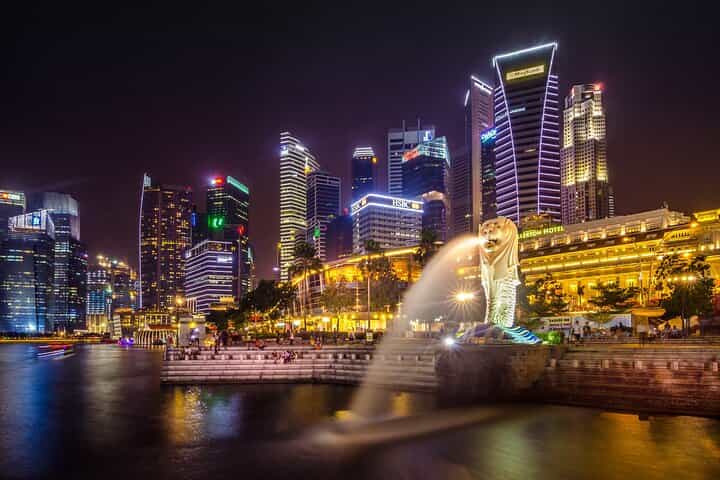
(Free eSIM) 3 Hour Singaporean Spiritual Temple Walking Tour Experience
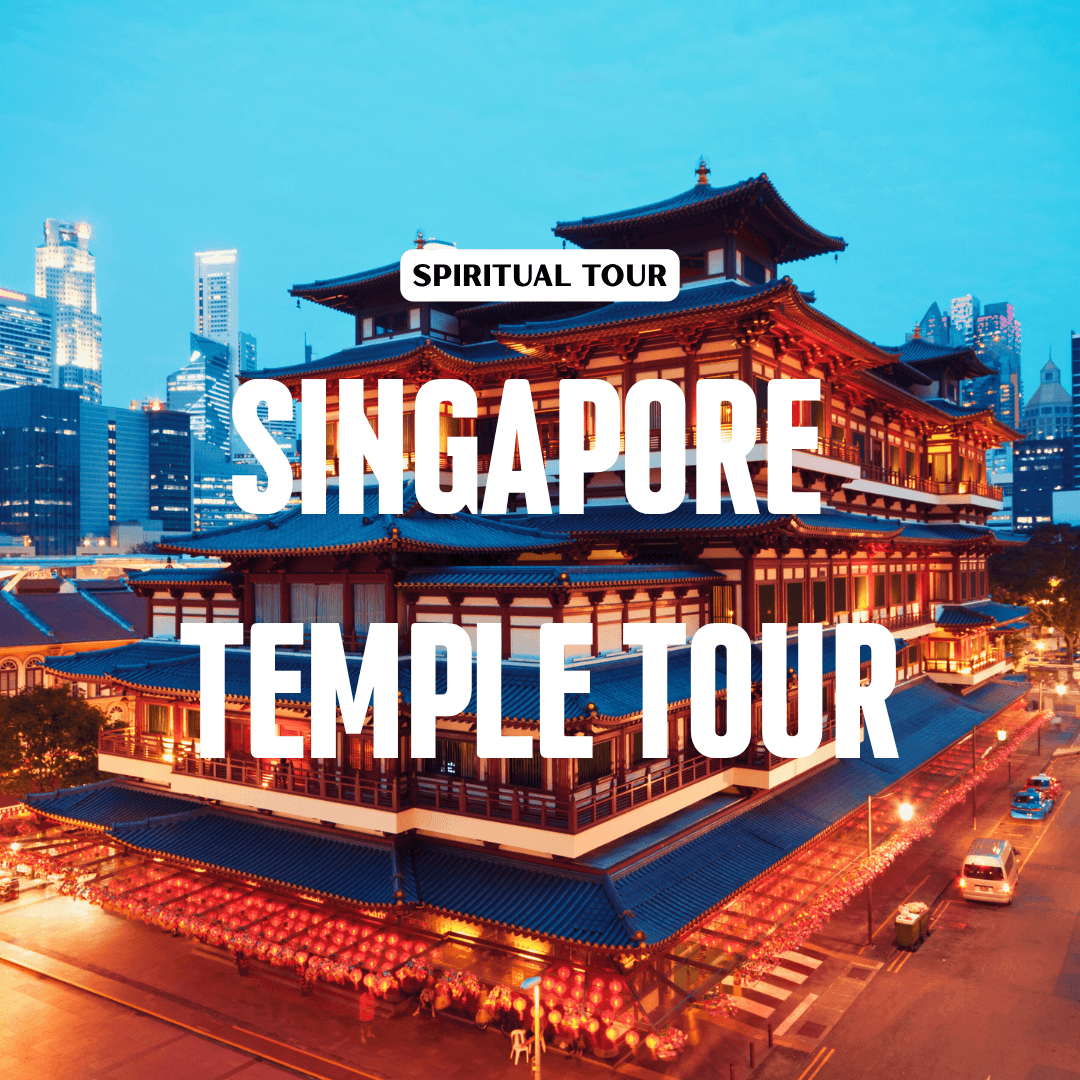
A peaceful escape in the heart of the city to discover the rich heritage of Singapore’s temples. English / Chinese speaking local guide leads a compact walking route through Chinatown and nearby districts, visiting Buddhist, Taoist, Hindu, Muslim and Sikh places of worship and explaining architecture, ritual and community life.
In Collaboration with MyProGuide Singapore. Updated on February 24, 2026.
This itinerary was created in collaboration with MyProGuide Singapore, inspired by the tour (Free eSIM) 3 Hour Singaporean Spiritual Temple Walking Tour Experience . Please check the tour information during your booking process.
Highlights
- Thian Hock Keng (Hokkien Temple)
- Amoy Street Taoist shrine
- Buddha Tooth Relic Temple and Museum
- Sri Mariamman Temple (oldest Hindu temple in Singapore)
- Masjid Jamae Chulia (historic mosque in Chinatown neighborhood )
Explore all itineraries in Singapore.
Itinerary
Day 1
Morning walking tour. Meet at Telok Ayer MRT and proceed on a paced walk through Chinatown and adjacent districts visiting multiple places of worship. Total scheduled window: 09:00–12:30. Not wheelchair or stroller accessible; modest dress requested at religious sites.
Meet: Telok Ayer MRT (Telok Ayer St)
Group meet-up and short introduction to the route, safety briefing and guide introductions. Please arrive 5–10 minutes early to ensure on-time departure.
Tips from local experts:
- Meet at street level near the main Telok Ayer St exit of Telok Ayer MRT station; look for the guide holding identifiable tour signage.
- Arrive 5–10 minutes early so the group can start promptly at 09:00 — the itinerary is tightly timed.
- Bring a small bottle of water and comfortable walking shoes; there are limited seating areas on the route.
Thian Hock Keng Temple (Hokkien Temple)
Historic Hokkien temple where worshippers pray to Mazu with incense and fruit offerings; guide explains the temple's architecture, clan history and ritual etiquette.
Tips from local experts:
- Remove shoes before entering main prayer halls and follow the guide’s directions about where photography is allowed.
- Keep voices low and avoid pointing cameras at worshippers engaged in prayer; ask the guide before photographing rituals.
- The temple has limited seating; if you need to sit, ask the guide for recommended quieter spots nearby.
Amoy Street Taoist shrine
Local Taoist shrine on Amoy Street where devotees honour Xuan Tian Shang Di (the Dark Heavenly Emperor); short visit to observe incense offerings and shrine architecture.
Tips from local experts:
- Dress modestly and avoid loud conversations inside small shrine spaces where worshippers gather.
- Keep personal belongings close — narrow streets and small crowds mean less space to set items down.
- If uncertain about photography, follow the guide's cue; some shrines restrict flash or close-up images of offerings.
Buddha Tooth Relic Temple and Museum
Visit the landmark Buddhist temple and museum in Chinatown; guide will highlight the architecture, relic displays and devotional practice areas.
Tips from local experts:
- Observe posted museum rules: some exhibition areas require quiet and no-flash photography — follow the guide’s instructions.
- Leave large bags with the guide or carry them on your front when inside busy prayer halls to avoid blocking walkways.
- Allow a few minutes to step back and enjoy exterior details — the temple façade and rooftop have distinct architectural motifs.
Sri Mariamman Temple
Singapore’s oldest Hindu temple in Chinatown; the guide will explain Dravidian architecture, iconography, and annual festival practices associated with the temple.
Tips from local experts:
- Remove shoes before entering and be mindful of areas designated for active worship and puja rituals.
- If visiting during festivals, expect more crowds and temporary cordons; follow the guide’s instructions for safe viewing.
- Observe respectfully around devotees and do not step over thresholds where priests or worshippers are performing rituals.
Masjid Jamae Chulia (Jamae Mosque)
One of the oldest mosques in Singapore, built by South Indian Muslims in the 1800s; guide will outline mosque architecture, community role and visiting etiquette.
Tips from local experts:
- Women may be asked to cover their heads and both men and women should dress modestly; carry a scarf to use if needed.
- Avoid visiting during prayer times (especially Friday midday) unless joining on the guide’s instruction; the guide will advise suitable timing.
- Remove shoes at mosque entrances and place them in the designated area; follow signage and the guide’s guidance for where to stand.
Transfer: short road transfer to Silat Road (by taxi/public transport)
Short transfer from Chinatown area to Silat Road Sikh Temple. The guide will advise the simplest public transport or short taxi route; participants should be prepared for a 15–25 minute move.
Tips from local experts:
- Allow 15–25 minutes for the transfer depending on traffic; the guide will confirm the recommended public transport route or a short taxi.
- If taking a taxi or ride-hail, keep luggage to a minimum; have the driver set to Silat Road Sikh Temple (Gurdwara) to avoid confusion.
- Use the vehicle’s air-conditioning and sit toward the center on busy days; keep valuables secure during transfers.
Silat Road Sikh Temple (Gurdwara)
Historic Sikh temple noted for its golden dome; the guide will explain Sikh practices and the tradition of langar (community vegetarian kitchen). Visitors may observe the kitchen and communal dining ethos.
Tips from local experts:
- Head coverings are required inside the gurdwara; bring a scarf or you can be provided one at the entrance.
- The gurdwara traditionally offers free vegetarian langar; if you plan to observe the kitchen or share a meal, follow the guide’s directions and note there can be queues during peak times.
- Remove shoes before entering and keep a respectful, quiet demeanor inside prayer and dining areas.
Tour wrap-up & Q&A
Concluding remarks, time for questions and practical advice for continuing to explore the area independently.
Tips from local experts:
- The guide can point out nearby cafes or quieter streets for a relaxed post-tour stroll; ask for a simple walking suggestion if you want to continue exploring.
- If you need onward transport, the guide will advise nearby bus stops or MRT connections from the Silat Road area.
- Keep any personal items collected from temple entrances in an easy-to-reach place for a swift departure.
Itinerary Attributes
| Days | 1 |
| Highlights | 5 |
| Season | - |
| Month | - |
| Persona | Couples |
| Transfers | 1 |
| Restaurants | - |
| Total Activities | 8 |
| Total Places | 9 |
| Activities Types | Neighborhood, Culture, Attraction, Transfer, Break |
Why this experience
You begin at Thian Hock Keng, Singapore's oldest Chinese temple, where red lanterns hang above ancestral tablets and the smell of incense fills air that hasn't changed in 190 years. Your guide explains the layout: why the dragon comes before the phoenix, how the main altar tells the story of Singapore's founding, what the devotees are whispering as they burn joss sticks. Then you walk through Amoy Street, ducking into a Taoist shrine squeezed between shophouses, before climbing the narrow stairs to Buddha Tooth Relic Temple—five floors of gold, jade, and carved wood dedicated to a single tooth. The contrast isn't jarring; it's intentional. Buddhism and Taoism coexist here not as neighbors, but as layers of the same spiritual architecture.
By the time you reach Sri Mariamman Temple in the heart of Chinatown, then across to Masjid Jamae in a 200-year-old mosque that calls to Muslims from a minaret that predates modern Singapore, then ending at the Silat Road Sikh Temple with its golden dome, you understand the real walk: it's not about visiting religious sites like a museum, but witnessing how a city three kilometers across holds five major faiths in walking distance, where communities have built temples, mosques, and shrines not in separate enclaves, but woven into the same streets. By the end, you've walked through spiritual Singapore—the part that rarely makes the tourism brochures.
Before you go
- Best time: Year-round — Singapore's equatorial climate is consistently warm. Cooler mornings are most comfortable for walking. Avoid major religious festival periods when temples and mosques may be crowded or restrict tour access. Bring plenty of water regardless of season.
- Budget: Check the booking widget for current tour pricing. No entrance fees; small donations at temples are optional but appreciated (a few dollars).
- Difficulty: Easy to moderate—roughly 3 km of walking on flat ground with frequent stops. Some temple stairs are steep; the pace is leisurely.
- What to bring: Comfortable walking shoes, a light jacket (temples have strong air conditioning), water bottle, respectful clothing (covered shoulders and knees), and cash for optional donations.
- Getting there: Tour meets near Thian Hock Keng Temple (158 Telok Ayer Street). It's a 3-minute walk from Raffles Place or Tanjong Pagar MRT stations.
- Accessibility: Most temples and mosques have step-free entry or ramps. Some upper temple floors are accessible by stairs only. Inform your guide of mobility concerns in advance; they can adapt the route.
Frequently asked questions
Do I need to remove my shoes in temples and mosques? Yes, shoe removal is required when entering the main prayer halls. Your guide will direct you to the proper areas. Wear slip-on shoes for convenience.
Can I take photos inside the temples and mosques? Photography is allowed in most areas, but not in active prayer rooms or during prayers. Your guide will advise you on appropriate spots and timing.
What if I'm not religious? This walk is designed for spiritual curiosity, not faith requirement. Your guide explains the history, architecture, and cultural significance of each site—you experience the spaces as sacred places and cultural landmarks, not as a religious practice.
What's included in this itinerary? This itinerary on TheNextGuide is free to read and follow at your own pace. The bookable tour includes a professional guide, all entry access to temples and mosques, detailed explanations of spiritual traditions and architectural significance, and insights into how Singapore's diverse faiths coexist in a compact, walkable neighborhood.
Complete your trip in Singapore
Expand your cultural immersion beyond spiritual sites.
- Singapore UNESCO Street Food & Cultural Experience — Explore Singapore's multicultural identity through hawker food and neighborhoods.
- Romantic 1-Day Escape in Singapore — Combine spiritual walks with evening romance and modern Singapore.
- Romantic 3-Day Couples Escape in Singapore — Weave spiritual and cultural exploration into a full couples retreat.
Browse all Singapore itineraries at TheNextGuide.
Last updated: April 2026