Easy-paced Tokyo for Seniors — One Comfortable Winter Day (February)
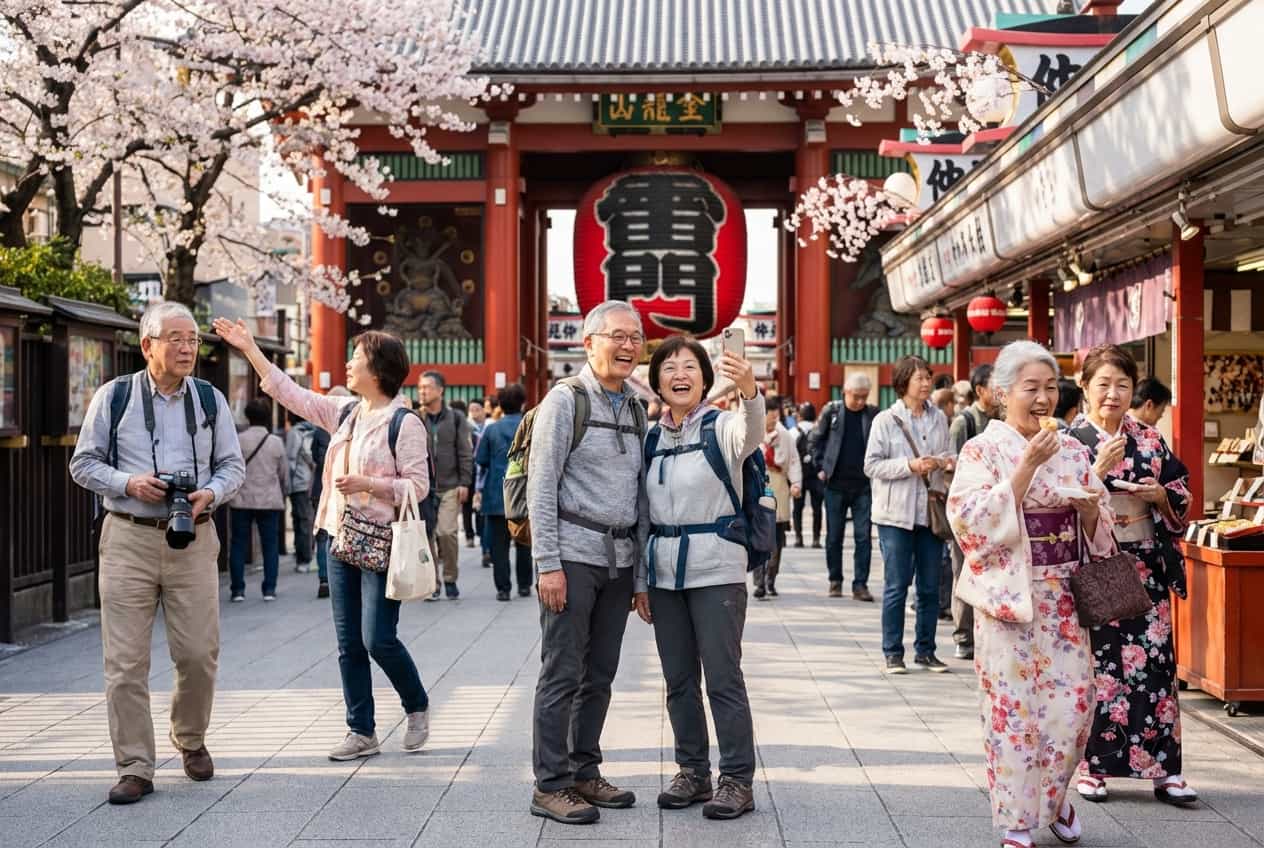
A gentle, accessible day in Tokyo tuned for seniors: large gardens, calm tea breaks, comfortable lunch in Ginza, an accessible museum visit and an early relaxed dinner. Short taxis/transfers, frequent seating, indoor warm spots for February, and step-free options highlighted throughout.
Highlights
- Shinjuku Gyoen — wide paved paths and wheelchair-friendly garden
- Hama-rikyu Gardens + tea house — sheltered views and seating
- Ginza seated lunch and warm department-store rest stops
- Tokyo National Museum — accessible galleries and seating
- Early relaxed dinner near Ueno Park
Explore all itineraries in Tokyo.
Itinerary
Day 1
A single relaxed day covering gardens, tea, Ginza lunch, a warm museum visit, and an early dinner with short transfers and lots of seating.
Morning: Stroll — Shinjuku Gyoen National Garden
Large, calm garden with wide, mostly paved paths and many benches — ideal for a gentle morning walk. The park has accessible entrances, wheelchair rental at the office, and accessible restrooms. February is cool: bring warm layers; plum/ume viewing sometimes begins late in the month.
- MondayClosed
- Tuesday9:00 AM – 4:00 PM
- Wednesday9:00 AM – 4:00 PM
- Thursday9:00 AM – 4:00 PM
- Friday9:00 AM – 4:00 PM
- Saturday9:00 AM – 4:00 PM
- Sunday9:00 AM – 4:00 PM
Tips from local experts:
- Accessibility: Use the Shinjuku Gate (Shinjuku-gyoenmae side) or Okido Gate for step-free entry; wheelchair rental and accessible toilets are located near the park office — ask staff on arrival.
- Timing: Arrive early (9:00) to enjoy quieter paths and more bench availability; avoid longer routes — follow the main paved loop (short, flat circuit is ~20–30 minutes).
- Comfort: February can be chilly and breezy; bring an insulating layer and a lightweight folding seat cushion if you prefer extra comfort on park benches.
Transfer: Short taxi to Hama-rikyu Gardens (recommended)
A direct 15–25 minute taxi avoids multiple transfers and reduces walking. Taxi drivers in central Tokyo are used to assisting passengers with luggage or mobility needs.
Tips from local experts:
- Ask the driver to stop at the designated accessible drop-off near the Hama-rikyu main entrance — that minimizes walking and any steps.
- If using a smartphone, show the driver the Gardens' name in Japanese: 浜離宮恩賜庭園 (Hama-rikyu Onshi Teien) to ensure smooth drop-off.
- Insist on step-assist if helpful and keep coins or a card ready for a quick exit; taxis are usually climate-controlled and warm in February.
Late morning: Hama-rikyu Gardens and Tea House
A riverside garden with flat walkways and views across the tidal pond. Enjoy a calm tea and wagashi at the traditional Nakajima-no-ochaya (tea house) — a seated, sheltered break from the February chill. Paths around the pond are mostly paved and benches are frequent.
- Monday9:00 AM – 5:00 PM
- Tuesday9:00 AM – 5:00 PM
- Wednesday9:00 AM – 5:00 PM
- Thursday9:00 AM – 5:00 PM
- Friday9:00 AM – 5:00 PM
- Saturday9:00 AM – 5:00 PM
- Sunday9:00 AM – 5:00 PM
Tips from local experts:
- Accessibility: Main paths are level and paved; restrooms near the entrance have handrails. The tea house can be reached on flat routes — ask staff to guide you to the step-free approach.
- Seating & Warmth: Choose the indoor seating area in the tea house to stay warm; tea service is seated and relaxed — perfect for senior pacing.
- Weather note: February can be windy along the bay; sit closer to the garden-facing windows for better views with less chill, and keep coats on until the tea arrives.
Transfer: Short taxi to Ginza (department stores and restaurants)
Short taxi or a single easy subway ride to Ginza. Department stores have elevators, warm rest areas and clean accessible restrooms — ideal for a calm lunch environment.
Tips from local experts:
- Ask the taxi driver to drop you at the department store entrance (e.g., Ginza Mitsukoshi or GINZA SIX) to guarantee elevator access and covered walkways.
- If taking the subway, use a station with elevators (e.g., Ginza Station); station staff can provide step-free guidance — press the intercom for assistance if needed.
- Keep tickets or reservation confirmation handy for the restaurant to avoid queues in cold weather.
Lunch: Seated, relaxed lunch in Ginza — Ginza Kyubey (reservation recommended)
A well-regarded sushi restaurant with table seating options and elevator access from the main street/departments. Staff are experienced serving older guests and can recommend gentler dishes if needed.
- MondayClosed
- Tuesday11:30 AM – 2:00 PM, 5:00 – 10:00 PM
- Wednesday11:30 AM – 2:00 PM, 5:00 – 10:00 PM
- Thursday11:30 AM – 2:00 PM, 5:00 – 10:00 PM
- Friday11:30 AM – 2:00 PM, 5:00 – 10:00 PM
- Saturday11:30 AM – 2:00 PM, 5:00 – 10:00 PM
- SundayClosed
Tips from local experts:
- Book a table (not a standing counter) and request an easy-to-reach seat; mention any mobility needs so staff can assign a table near the entrance or elevator.
- Ask for lower-sodium options and small portion sets — sushi chefs are accustomed to modifying portions and condiments for guests with dietary/sensory needs.
- Restroom & elevator: The building has elevator access and accessible restrooms; ask staff to accompany you to the restroom if you prefer assistance.
Afternoon break & gentle browsing — GINZA SIX
Indoor shopping complex with relaxed seating areas, warm indoor spaces, and accessible restrooms. Ideal for a short coffee, souvenir browsing, and a calm rest.
- Monday10:30 AM – 8:30 PM
- Tuesday10:30 AM – 8:30 PM
- Wednesday10:30 AM – 8:30 PM
- Thursday10:30 AM – 8:30 PM
- Friday10:30 AM – 8:30 PM
- Saturday10:30 AM – 8:30 PM
- Sunday10:30 AM – 8:30 PM
Tips from local experts:
- Use the building elevators (ask a staff member for the nearest lift) and take advantage of department-store seating/rest zones on mid-level floors.
- Visit the basement food hall (depachika) briefly for packaged souvenirs — you can sample items without long standing waits; staff will offer assistance carrying small purchases.
- There is a rooftop garden accessible by elevator if you feel steady — it's a sheltered spot to sit and enjoy views if weather permits, but check staff for step-free access.
Transfer: Taxi to Ueno / Tokyo National Museum (comfortable, direct)
A direct taxi reduces transfers and walking; the National Museum has an accessible drop-off and step-free entry. The taxi ride is typically 25–35 minutes from Ginza depending on traffic.
Tips from local experts:
- Ask the driver to drop you at the museum's accessible entrance (Ueno Park side) to avoid stairs and long approaches.
- Keep a small map or address card in Japanese: 東京国立博物館 (Tokyo National Museum) to show the driver for a smooth drop-off.
- Travel time can vary; allow a little extra time in February evenings when traffic patterns change — a taxi offers warmth and minimal walking.
Afternoon: Tokyo National Museum — accessible galleries and highlights
Japan’s largest museum with wide, accessible galleries, elevators, benches throughout, and wheelchairs available on request. Indoor warmth and seating make this a winter-friendly cultural stop. Focus on a few key halls to avoid fatigue.
- MondayClosed
- Tuesday9:30 AM – 5:00 PM
- Wednesday9:30 AM – 5:00 PM
- Thursday9:30 AM – 5:00 PM
- Friday9:30 AM – 8:00 PM
- Saturday9:30 AM – 8:00 PM
- Sunday9:30 AM – 5:00 PM
Tips from local experts:
- Accessibility: Use the main (Honzan) entrance for step-free access and elevator routes between floors; wheelchairs and a cloakroom for coats are available.
- Pacing: Concentrate on one or two exhibition halls (e.g., Japanese Gallery and Asian Gallery) to keep walking minimal — benches are frequent; pick a highlighted piece and rest often.
- Hearing & reading: Museum staff provide printed guides and quiet resting spaces; if hearing is reduced, ask for written descriptions or enlarged-label assistance for exhibits.
Transfer: Short walk or taxi to early dinner spot near Ueno Park
A brief transfer to a nearby restaurant for a calm early dinner. Short walks around Ueno are mostly level; taxis are quick and reduce exposure to cold.
Tips from local experts:
- If walking, use the paved paths through Ueno Park with benches along the way; if you prefer minimal walking, request a short taxi to the restaurant entrance.
- Ask staff at the museum to call a taxi for step-free pickup if needed — museum staff are used to assisting older visitors.
- Keep your coat handy; February evenings are chilly and you’ll appreciate a warm vehicle or a quick indoor transfer.
Early dinner: Ueno Seiyoken — calm, seated dining near Ueno Park
Historic restaurant with table seating and a calm atmosphere, offering Western and Japanese set menus. Good for a relaxed meal before the end of the day; accessible entry and seating are available.
- MondayClosed
- Tuesday11:00 AM – 5:00 PM
- Wednesday11:00 AM – 5:00 PM
- Thursday11:00 AM – 5:00 PM
- Friday11:00 AM – 5:00 PM
- Saturday10:30 AM – 6:00 PM
- Sunday10:30 AM – 6:00 PM
Tips from local experts:
- Reservation & seating: Reserve a table and request a ground-floor seat near the entrance for the shortest walk and easiest access to restrooms.
- Menu & pace: Choose a set course to avoid menu fatigue; request smaller portions or a later-paced serving so you can rest between dishes.
- Accessibility: Confirm elevator use (if required) and ask staff to show accessible restroom locations; staff are accustomed to assisting older guests.
Transfer: Return to hotel or nearby station (end of day)
Short taxi or elevator-equipped train station access from Ueno Station. Aim to finish the day early to avoid late-evening cold and fatigue.
Tips from local experts:
- If your hotel is central, request a taxi directly from the restaurant; drivers will usually help with luggage and sight-limited passengers.
- If taking the train, use Ueno Station's elevator routes — staff can escort you to elevators for step-free transfer to platforms.
- Keep a small card with your hotel name and address in Japanese to show the driver if you need a direct, comfortable ride back.
Itinerary Attributes
| Days | 1 |
| Highlights | 5 |
| Season | Winter |
| Month | February |
| Persona | seniors |
| Transfers | 5 |
| Restaurants | 2 |
| Total Activities | 6 |
| Total Places | 6 |
| Activities Types | Attraction, Transfer, Restaurant, Shopping, Culture |
Why this experience
You'll spend your entire day in one neighborhood—Shinjuku Gyoen, one of Tokyo's finest botanical gardens and a place designed for exactly this kind of unhurried exploration. Wide, paved paths wind through landscaped gardens: formal French sections, traditional Japanese groves, and open meadows where you can stop and simply sit on benches overlooking the grounds. In winter, the garden is calm, with fewer crowds than any other season. You'll move at your own pace, resting as much as you walk, stopping at a café for tea or light refreshments whenever you wish. The garden has multiple seating areas, clean restrooms, and a rhythm that naturally slows you down.
What makes this day so manageable is simplicity—you're staying in one place, moving on flat terrain, and never rushing between destinations. You have the freedom to revisit your favorite sections, or discover a quiet corner and spend an hour simply watching the light change.
This is Tokyo distilled to its most peaceful form.
Before you go
- Best time: Winter offers the clearest views, the sparsest crowds, and the most comfortable pace for extended garden walking. December through February is ideal, with crisp mornings and mild afternoon light.
- Budget: Check the booking widget for current tour pricing. Garden entry is minimal; café stops are optional and affordable. A guide can help you navigate different garden zones and suggest rest intervals.
- Difficulty: Easy. All paths are paved and wheelchair-friendly. No elevation gain. Ample seating throughout the gardens. Walking is gentle and self-paced.
- What to bring: IC card for transport, comfortable flat walking shoes (supportive), warm layer (you'll be outside most of the day), sun protection (winter sun is still bright), reading material for rest breaks.
- Getting there: Shinjuku Gyoen entrance is a 10-minute walk from Shinjuku Station (East Exit). Alternatively, Sendagaya Station is closer. Multiple metro lines serve the area.
- Accessibility: Shinjuku Gyoen is fully wheelchair-accessible with smooth paved paths, accessible restrooms on multiple grounds, and elevation-free loops. Benches are placed frequently throughout.
Frequently asked questions
Won't we get bored staying in one garden all day? Not at all. Gardens reveal different character at different times of day. What looks formal at 10 a.m. feels meditative by 3 p.m. Winter gardens are especially serene—few crowds, clear sight lines, and a sense of stillness that most Tokyo experiences don't offer.
Is there enough to do if we just stay in the garden? Yes. You can explore different sections, sit and watch seasonal light changes, enjoy seasonal refreshments at the café, and photograph garden details. Most visitors discover they want to spend longer, not less.
What if the weather turns cold or rainy? The garden has covered pavilions and the on-site café. Light rain is gentle in gardens; many seniors actually prefer exploring during light drizzle when the grounds are even quieter.
What's included in this itinerary? This itinerary on TheNextGuide is free to read and follow at your own pace. The bookable experience includes full access to Shinjuku Gyoen, guidance on the most accessible and scenic loops, reserved seating in quiet garden sections, and café access for tea and light refreshments throughout the day.
Complete your trip in Tokyo
This garden day offers peace in the heart of the city. For variety, explore these other senior-friendly Tokyo itineraries:
- Gentle Tokyo—Ueno, Asakusa, and Ginza — A museum and temple-focused winter alternative with taxi transfers between neighborhoods
- Gentle Tokyo—Ueno Park and river garden — Another single-neighborhood option with emphasis on water and nature views
- Gentle 3-day Tokyo—Spring in the same gardens — Return when the gardens transform with cherry blossoms and warmer weather
Browse all Tokyo itineraries at TheNextGuide.
Last updated: April 2026