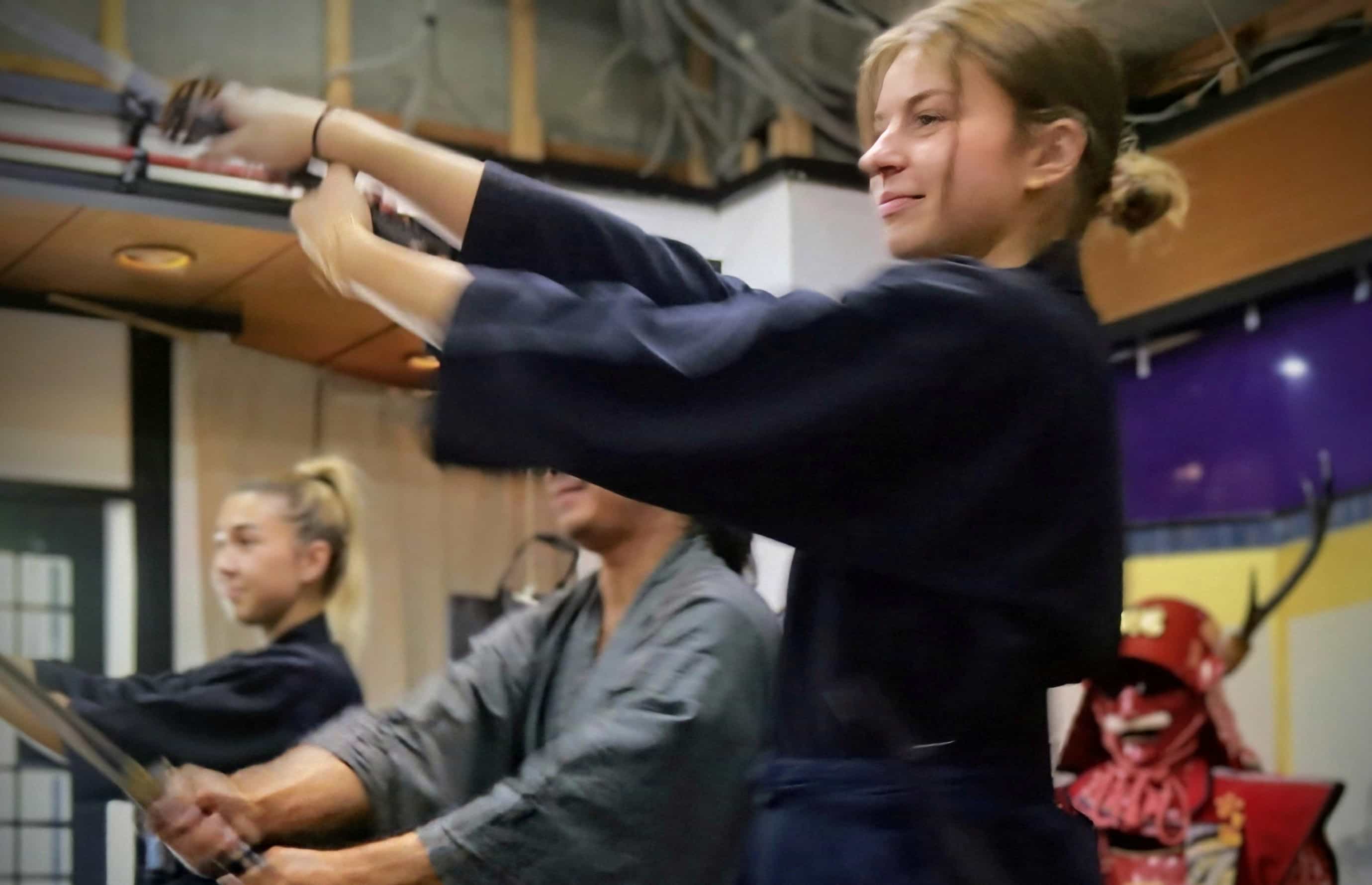
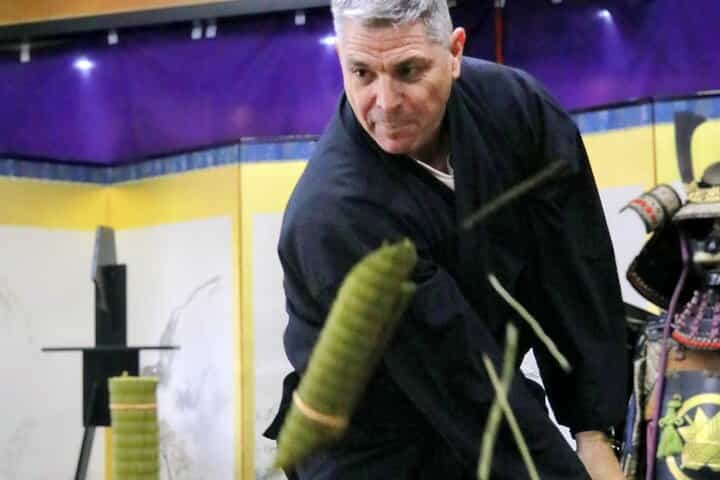
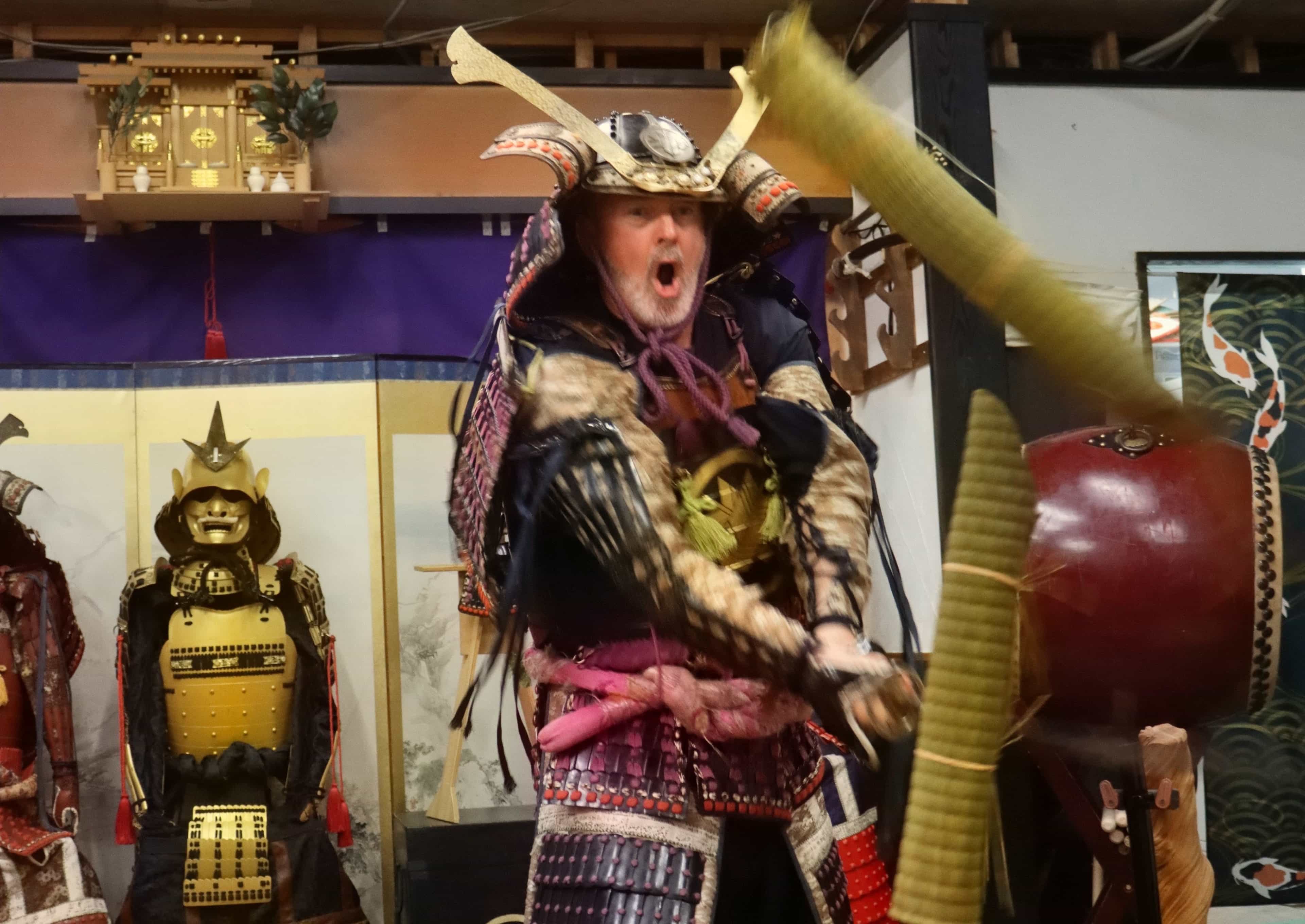
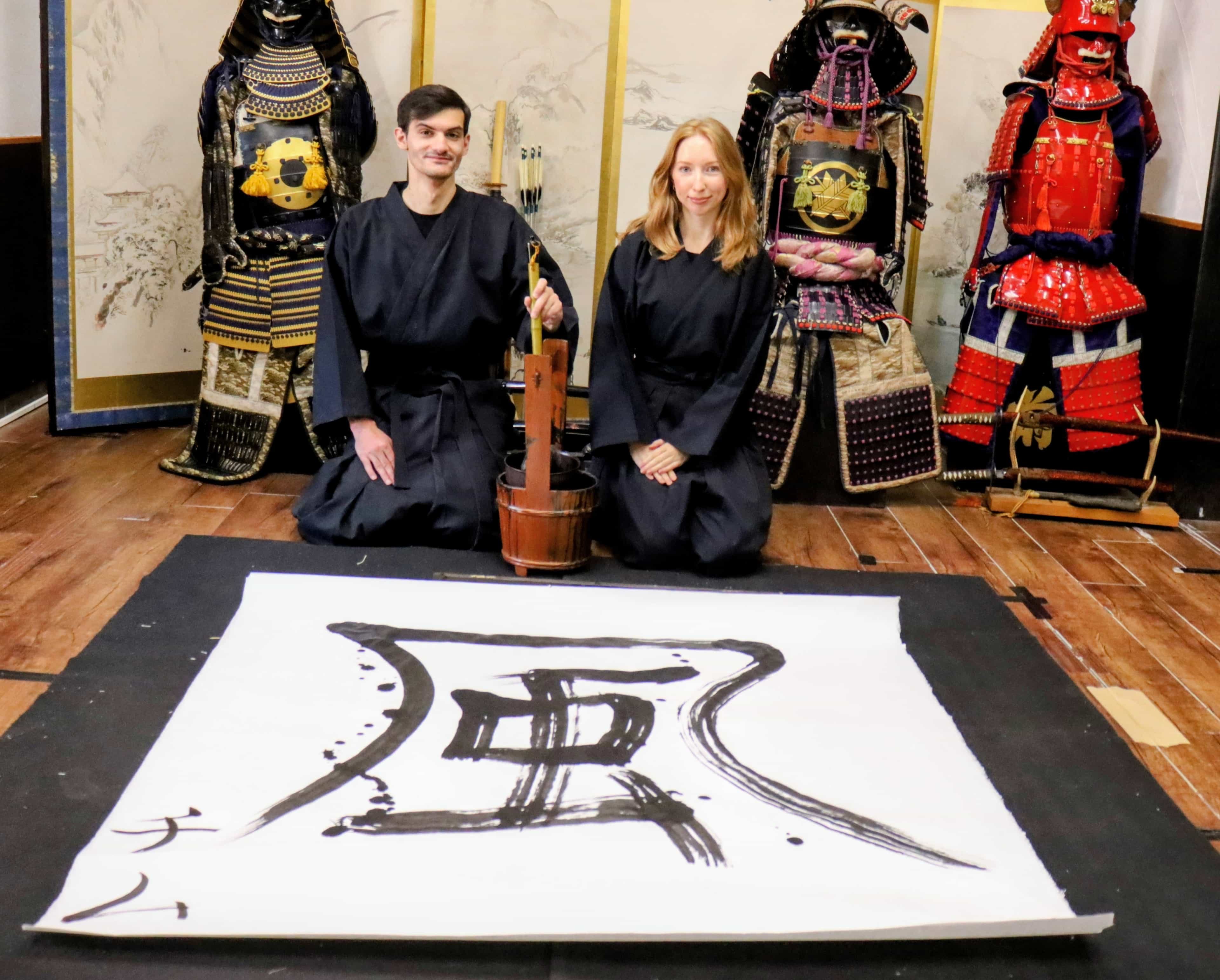
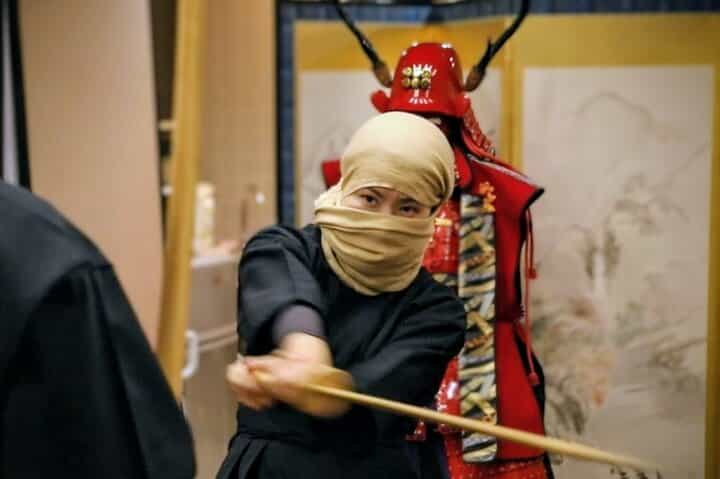
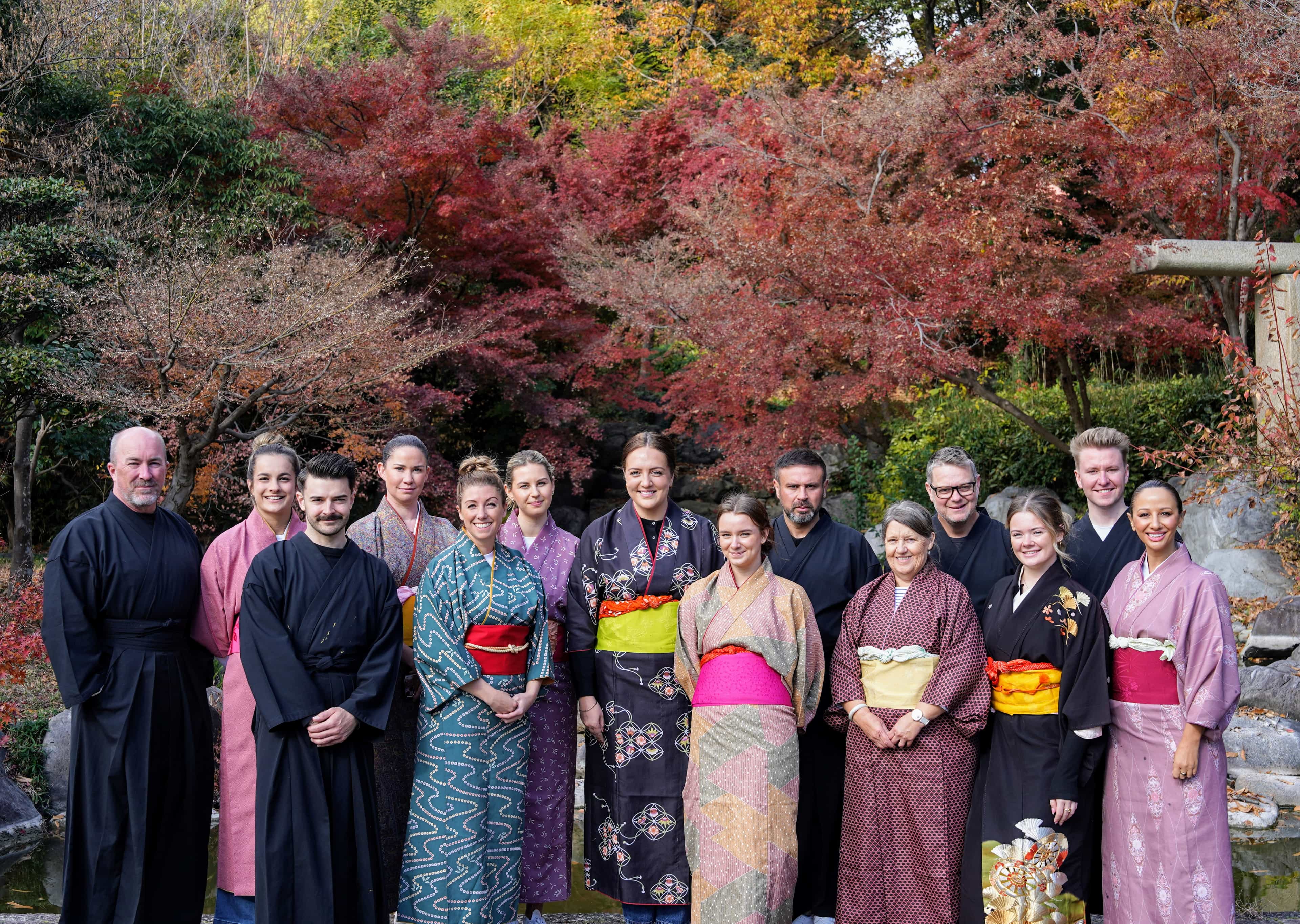
Trial slashing in Bushido with Samurai Sword real sharpnes Highlights* Wielding a Real Japanese Sword (Shinken): Moving beyond the practice sword stage, during the test-cutting session you’ll experience the weight, balance, and astonishing sharpness of a real Japanese sword.* Traditional Samurai Attire: Dressing in traditional keikogi and hakama (samurai training attire) perfectly sets the mood for the experience and allows you to fully immerse yourself in the role.* Safe instruction from a skilled master: No prior experience is necessary. A skilled iaido master will provide step-by-step guidance on safety precautions, posture, and cutting techniques, ensuring you can execute cuts safely and confidently.* The spirit of Zen and Bushido: Experience the tranquility and tension of the dojo. Learn the philosophy, respect, and deep concentration required to handle a Japanese sword, and connect with Japan’s rich history.* Photos and Videos for Lasting Memories: The traditional, atmospheric dojo is the perfect spot for photos and videos. Our staff will capture the moment of your magnificent strike and your samurai poses, helping you share these memories with friends back home.First, you’ll change into authentic samurai attire (hakama) and learn the strict etiquette and Zen spirit that define Bushido.Next, before actually gripping the sword, you’ll delve deeply into the rich history and cultural background of Japan’s legendary samurai class. Through engaging commentary, you’ll learn why the Japanese sword is admired worldwide and has traditionally been called the “soul of the samurai.”The instructor will explain the astonishing craftsmanship behind an authentic Japanese sword, from the complex forging of the steel to the formation of its beautiful hamon (blade pattern). You’ll also be taught the centuries-old, strict etiquette for showing respect to the sword, handling it safely, and drawing and sheathing it. By understanding the profound philosophy and respect surrounding the Japanese sword, your subsequent test-cutting experience will transform from a mere activity into a deeply meaningful connection with Japan’s traditional heritage.After practicing basic swings and forms with a replica sword, you’ll move on to the ultimate challenge. Under the close guidance of a skilled master instructor, you’ll grip a genuine, razor-sharp shinken and cut through a rolled-up tatami mat. This is not merely a tourist activity, but a spiritual, powerful, and authentic experience of martial arts culture.- A Glimpse of the ExperienceStep off the bustling streets and into the hushed silence of a traditional dojo. The crisp scent of woven tatami mats grounds you instantly. As you tie the belts of your traditional hakama, feeling the sturdy fabric wrap firmly around you, your posture straightens naturally—you are no longer just an observer, you are stepping into the mindset of a samurai.When it is time for your test cut, the room falls completely silent. You grip the hilt of a genuine, razor-sharp katana. The cold steel is heavier and more perfectly balanced than you ever imagined. Taking a deep breath, you raise the blade, focus your mind entirely on the rolled tatami target, and strike. You hear the sharp whoosh of the blade cutting the air, followed immediately by a clean, satisfying thud as the severed mat hits the wooden floor. In that single, breathtaking second, you experience the ultimate fusion of adrenaline, physical power, and profound Zen focus.