Private Porto Full-Day Tour: Cathedral, Lello and Atlantic Coast
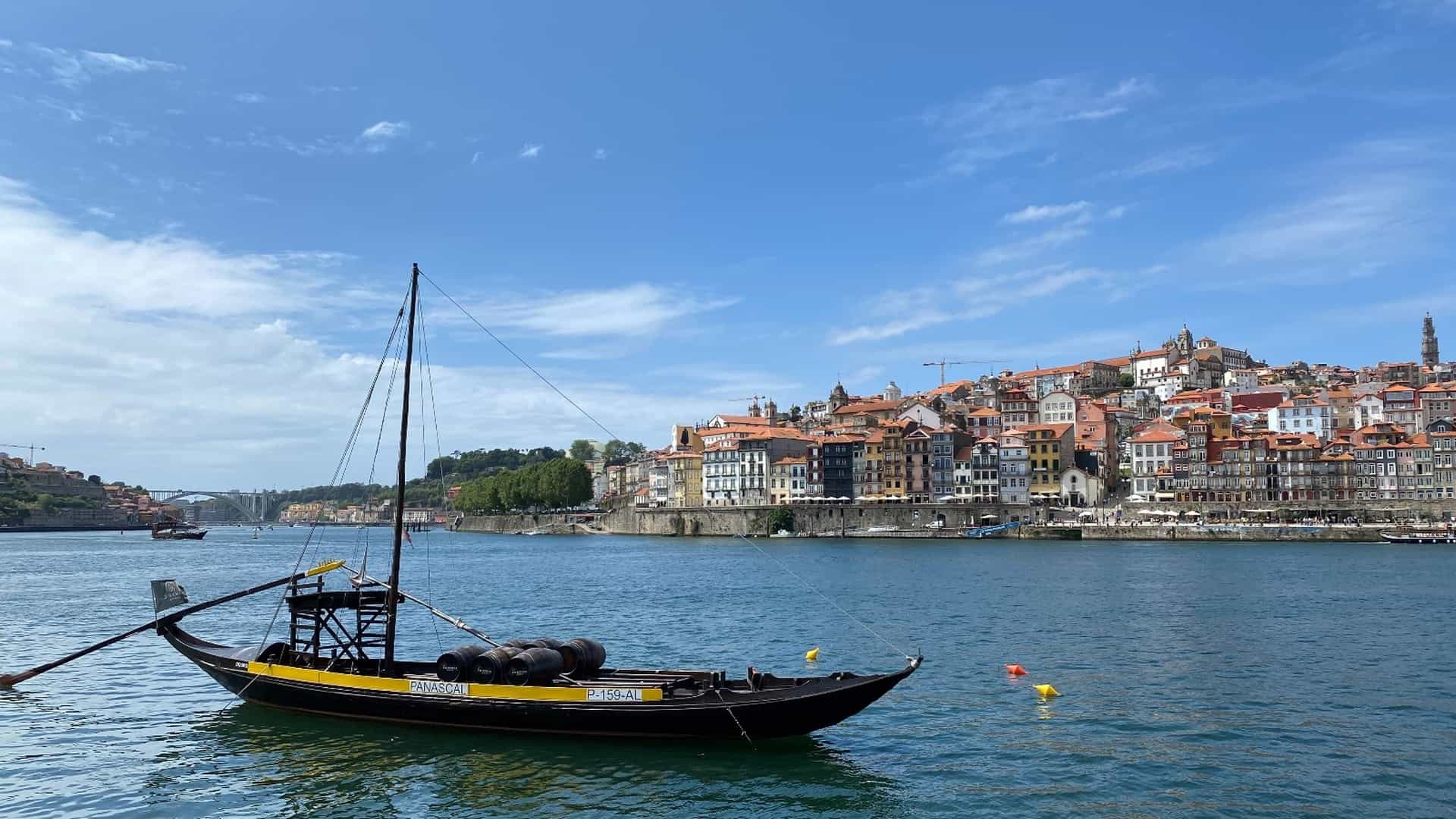
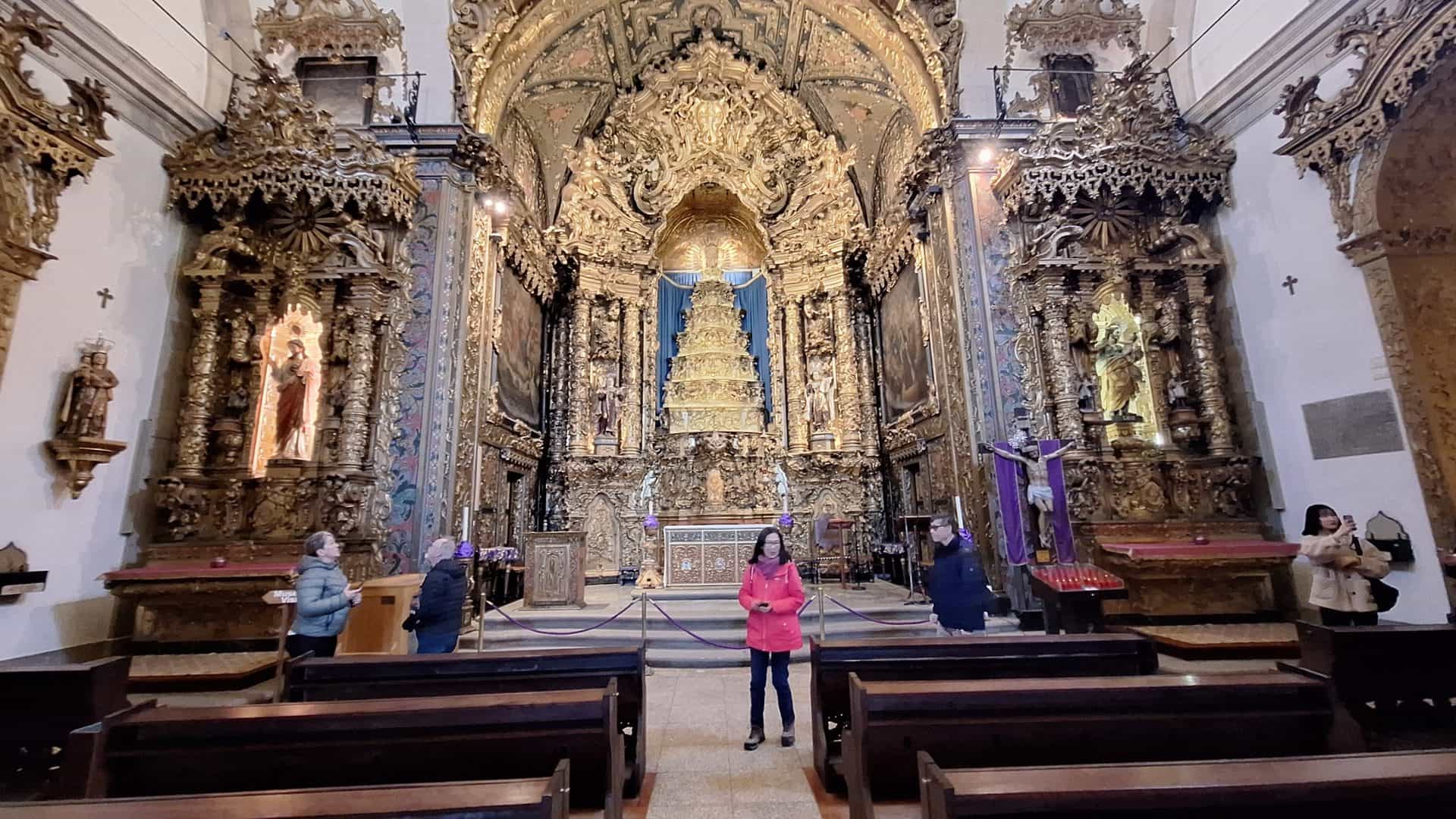
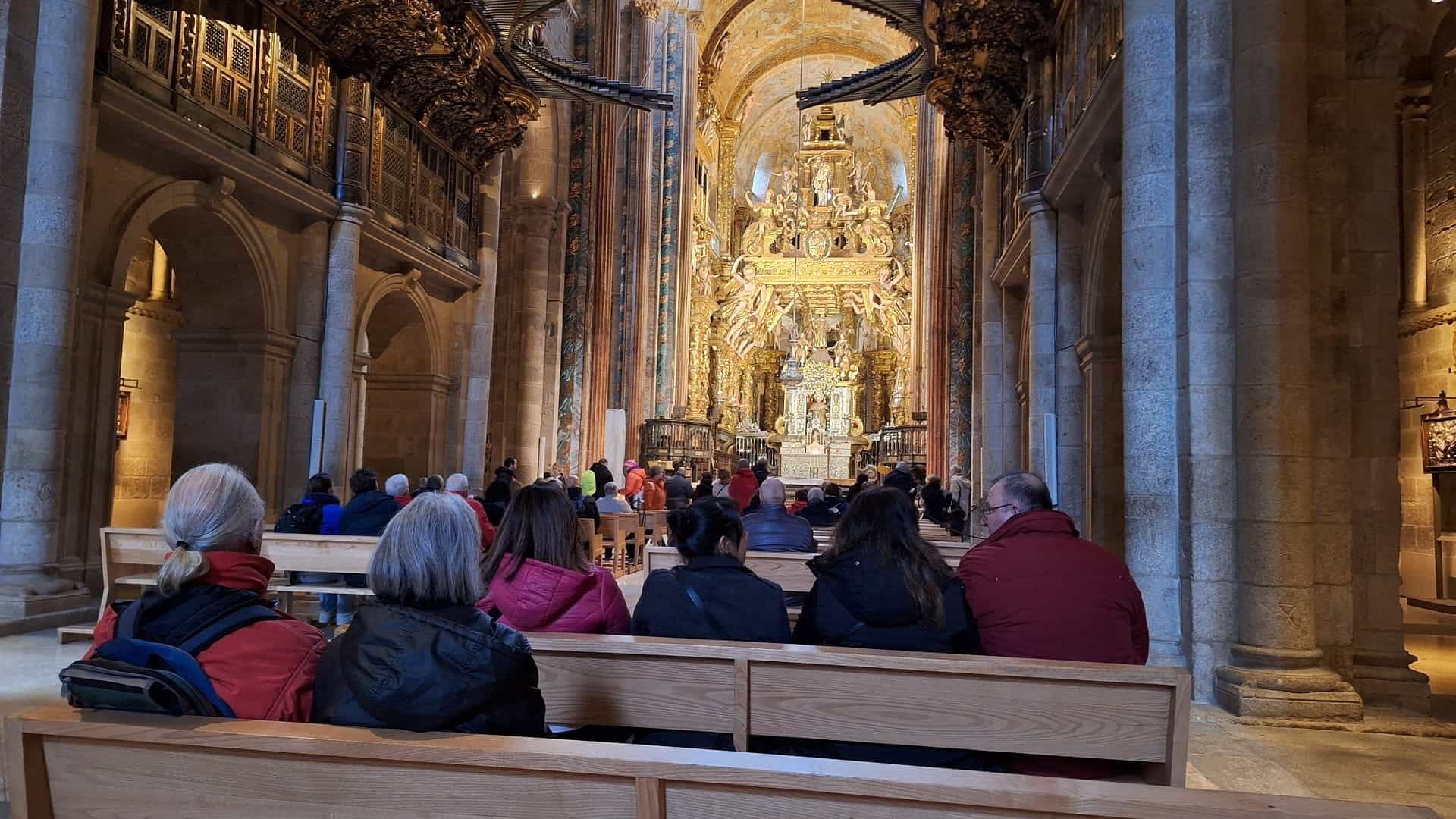
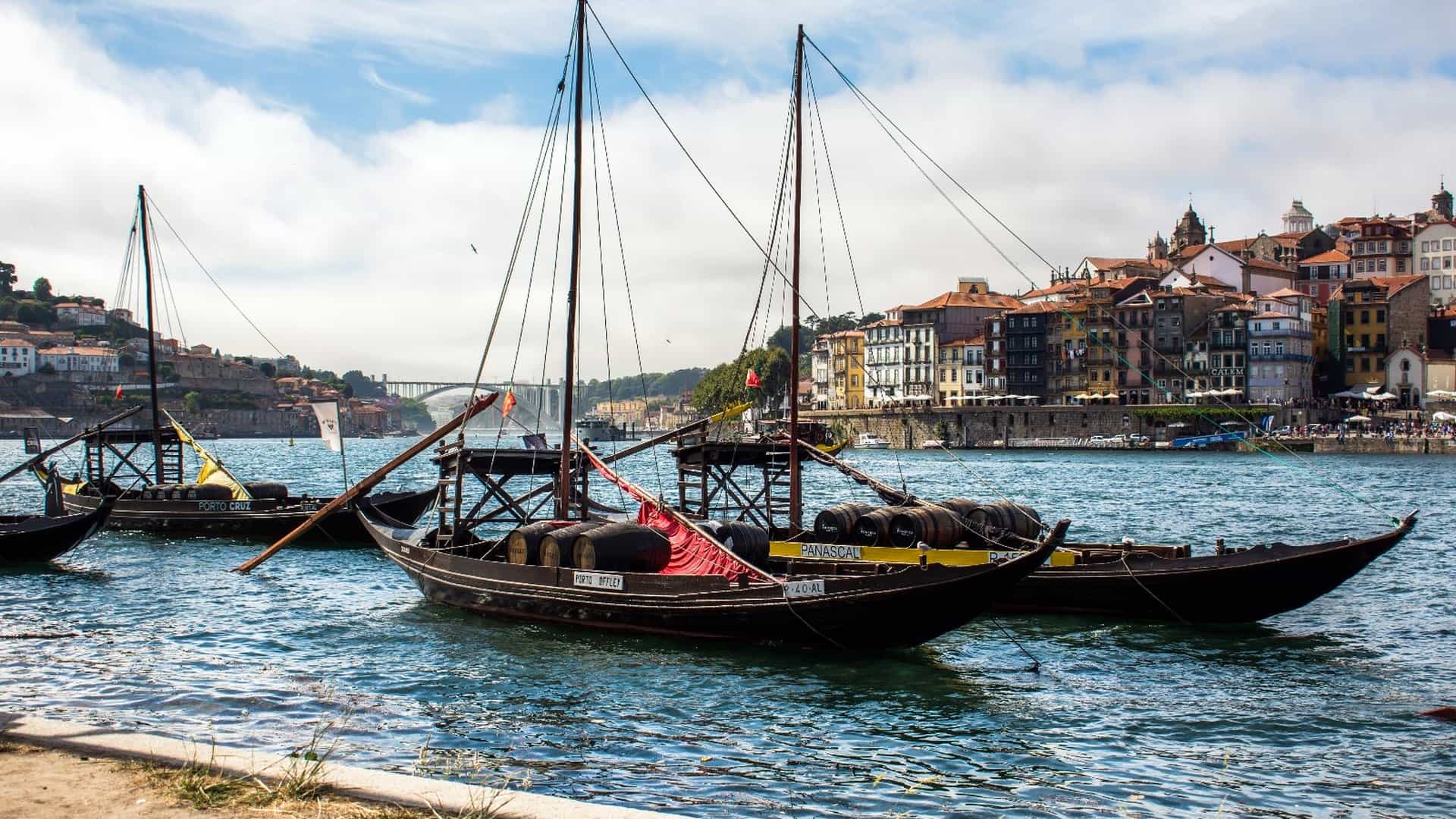
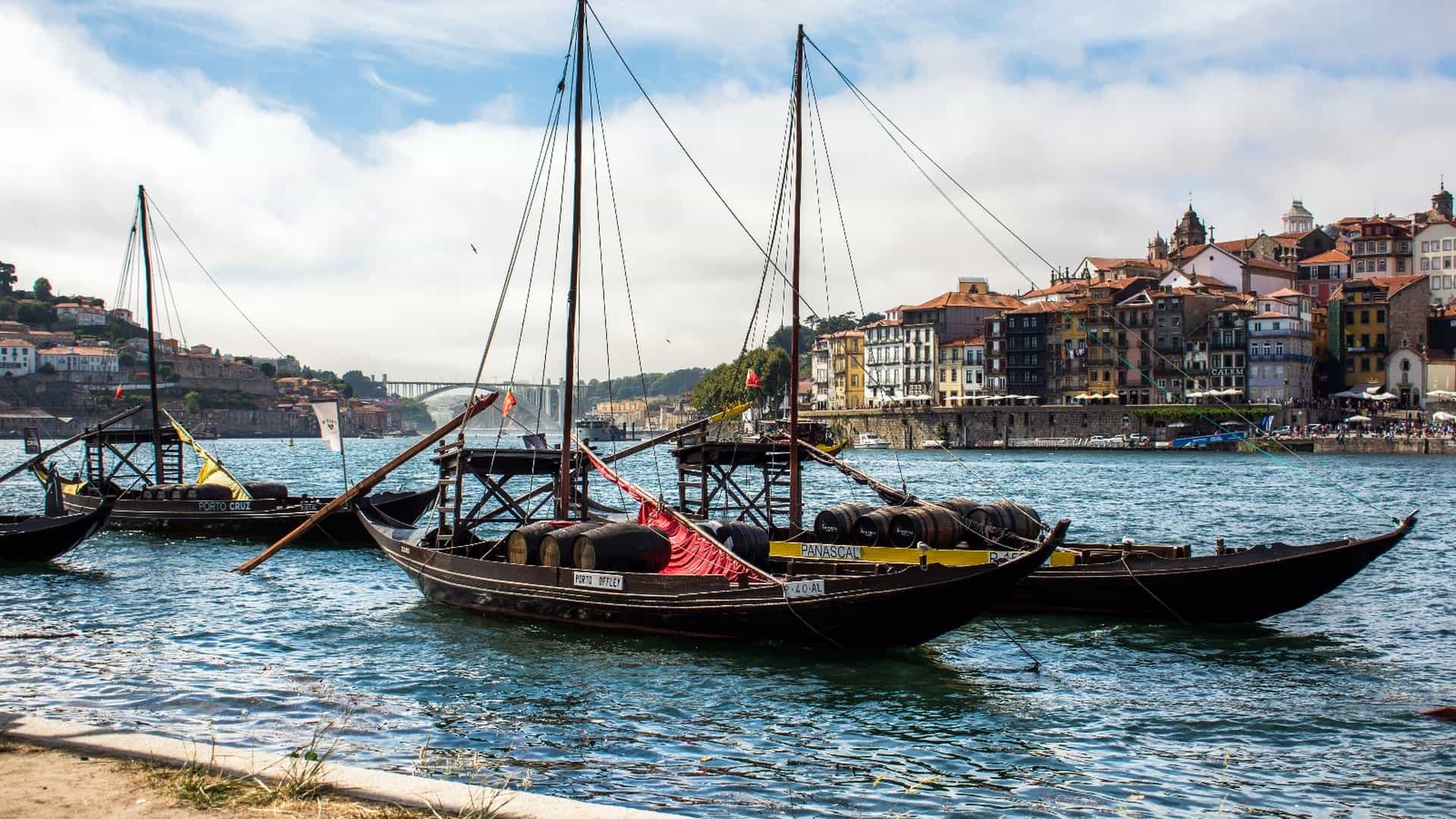
See Porto as a city of layers on a private full-day journey that begins in its historic heart and gradually opens outward toward the river mouth and the Atlantic. While the morning is rooted in the interiors and landmarks that define the city’s cultural image, the second half of the day shifts the perspective toward broader urban scenery, waterfront life and the coastal edge that gives Porto its wider character. The result is a route that feels more expansive than a classic historic-centre visit, while still remaining clear, elegant and easy to follow.The day begins with a civic introduction through the formal centre of Porto, where Avenida dos Aliados, Liberty Square, the D. Pedro IV Statue, Cardosas Palace and Porto City Hall establish the city’s scale before the route moves into older quarters. This opening sequence works as orientation rather than interruption, helping the rest of the day feel more legible from the start. From there, the stop at São Bento Station brings the first strong interior moment, with the azulejo panels offering a visual reading of Portuguese history that feels immediate and accessible.From São Bento, the experience climbs into the upper historic core, where the Porto Cathedral may be visited through a separately selected guided entry during booking. Here, the city begins to make sense topographically: hilltop setting, medieval logic and architectural layering all come together in a way that gives depth to everything that follows. The route then continues into a more intimate architectural chapter shaped by Baroque and Rococo Porto.Within this part of the day, optional entries may include Livraria Lello, understood not simply as a famous bookshop but as one of Porto’s most theatrical interiors, as well as the Carmelitas Church, the Carmo Church and Hidden House, the Clérigos Church and, for those who want a wider city view, the Clérigos Tower. These visits are selected separately during the second step of the booking process, allowing the morning to be shaped according to the pace and level of depth you prefer.A short pause at Bolhão Market introduces a more everyday side of Porto before the middle of the day remains open for lunch. This flexibility helps the experience adapt naturally to appetite and mood. Depending on the direction that suits the day best, lunch may unfold in Afurada, where the riverside still carries the atmosphere of a working fishing community, or in Matosinhos, where the seafood tradition and coastal setting create a different kind of urban rhythm.In the afternoon, the city widens out again through a scenic sequence that links public squares, commercial streets and riverfront memory. The Batalha Quarter, Santa Catarina Street, the façade of the Majestic Café and the Rivoli Theatre prepare the transition back into merchant Porto, before the area around São Francisco, Palácio da Bolsa, Ribeira, Casa do Infante and São Nicolau Church reveals the older commercial life of the city in a more atmospheric register.The route then turns toward Porto’s bridges and viewpoints, where the structure of the city becomes clear at a larger scale. The sequence across the Luís I Bridge, the Infante Bridge, the Dona Maria Pia Bridge and the São João Bridge leads naturally to Serra do Pilar and the Morro Garden in Gaia, one of the best places to understand Porto in a single glance: river below, bridges aligned, historic core rising beyond.From here, the final part of the day shifts decisively toward the Atlantic. Instead of ending in a cellar district, this version of the tour follows the river outward through Afurada, where Porto’s broader metropolitan life meets a still-local fishing identity, and then on to Foz, where the Douro opens into the ocean beside one of the city’s most elegant residential areas. The journey continues to Matosinhos, where beach, promenade, seafood culture and maritime infrastructure give the day a more open and contemporary finish. Stops and pass-bys such as São João Baptista Fort, São Francisco Xavier Fort, the D. João VI Statue, Matosinhos Beach, the Anémona sculpture and the Leixões Cruise Terminal reinforce this Atlantic chapter with contrast, light and sea-facing atmosphere.By the end of the day, Porto is understood not only as a historic centre of monuments and interiors, but as a city shaped equally by river, coast, bridges and neighbourhood character. What remains is a broader and more textured sense of Porto itself: historic, mercantile, residential and maritime, experienced in a way that feels varied, coherent and distinct.Transparency note: meals are not included. Monument and experience tickets are selected separately in the second step of the booking process, so you can choose exactly what you want to include. This ensures clear pricing, with no hidden costs, no unnecessary mark-ups, and no commissions added by us or our partners.