3 Days in Istanbul: The Itinerary I'd Actually Follow
Three days in Istanbul is enough to walk through fifteen centuries of history in Sultanahmet, taste your way across the Beyoğlu food scene, cruise the Bosphorus at sunset between two continents, and discover the colorful backstreets that most visitors never find — if you spend the time well.
If I only had 3 days, this is exactly how I'd do it. Not to rush between mosques and tick off a checklist. Not to spend half a day lost in the Grand Bazaar. Just to walk the right streets with someone who knows them, eat what the city actually eats, and watch the light change over the water from a deck that straddles Europe and Asia.
Highlights
- Hagia Sophia's Byzantine mosaics and the Blue Mosque's six minarets at sunrise
- Fener-Balat's painted houses and Greek Orthodox heritage with a local guide
- Beyoğlu food tour — mezes, kebabs, and baklava across eight tasting stops
- Bosphorus sunset cruise with wine, sailing between two continents
- Kadıköy fish market and the ferry ride that splits Istanbul in half
At a Glance
Day 1 — On Foot: Hagia Sophia, Blue Mosque, Basilica Cistern, Grand Bazaar, guided walk through Fener-Balat. Sultanahmet → Fener-Balat → Eminönü.
Day 2 — By Taste: Galata Tower, Beyoğlu food tour (8 stops), Istiklal Avenue, Çukurcuma vintage quarter. Karaköy → Beyoğlu → Taksim.
Day 3 — By Water: Spice Bazaar, Süleymaniye Mosque, ferry to Kadıköy, Asian-side fish market, Bosphorus sunset cruise. Eminönü → Kadıköy → Karaköy.
Day 1 — On Foot
In collaboration with Olea Travel
I'd start where Istanbul started — in the old city, before the crowds fill the courtyards.
Day 1 covers Sultanahmet and Fener-Balat — the historic peninsula where empires rose and fell. Everything connects on foot, and the T1 tram runs along the spine if your legs need a break.
Hagia Sophia first, just after it opens. The building has been a cathedral, a mosque, a museum, and a mosque again — and every conversion left its fingerprints. The Byzantine mosaics on the upper gallery still shimmer after fifteen hundred years, and the mihrab pointing toward Mecca sits beneath a Virgin Mary mosaic that nobody bothered to remove. The scale is what gets you — the central dome floats forty meters above the floor, and the morning light through the eastern windows makes the whole space feel alive. Arrive before 09:00 and you'll have room to stand still and look up, which is the only way to see it properly.
Then across Sultanahmet Square to the Blue Mosque. The six minarets are the postcard shot, but the interior is what stays — over twenty thousand handpainted İznik tiles in blues and whites covering every surface from floor to dome, with stained glass windows filtering the light into patterns that shift as the sun moves. It's free, open between prayer times, and takes twenty minutes to see.
From there, a five-minute walk to the Basilica Cistern — the underground reservoir built by Justinian in 536 AD. Three hundred and thirty-six marble columns hold up the vaulted ceiling, and the water still reflects them in the dim light. The two Medusa heads at the base of the far columns — one sideways, one upside down — are the kind of detail that makes Istanbul feel like a city built on layers of older cities. Thirty minutes, and the temperature drops ten degrees the moment you descend.
Lunch at Sultanahmet Köftecisi — one of the oldest köfte restaurants in the city, open since 1920. The menu is short: grilled meatballs, white beans, bread, and ayran. That's all you need. The place is always full, the turnover is fast, and nobody pretends it's fine dining. It's lunch the way Istanbul does lunch.
After lunch, the Grand Bazaar. I'd give it ninety minutes — enough to walk the main covered streets, see the gold quarter and the leather lanes, drink a glass of çay with a carpet seller who has no expectation that you'll buy, and leave before the sensory overload sets in. The bazaar has over four thousand shops across sixty covered streets — trying to see it all is a mistake. Enter through the Beyazıt Gate, follow the flow, and exit toward Eminönü when you've had enough.
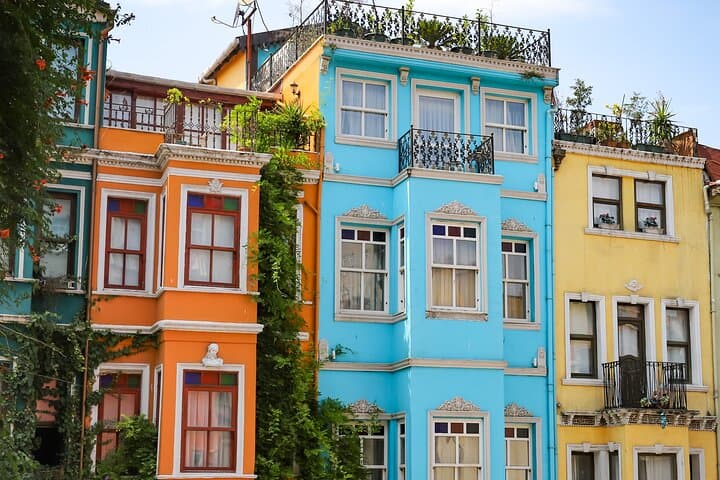
Then the day's anchor shifts everything. Olea Travel runs a guided walking tour through Fener and Balat — two neighborhoods on the Golden Horn that most first-time visitors never reach. The guide knows every painted doorway, every hidden courtyard, every piece of the Greek Orthodox and Jewish heritage that built these streets centuries before the tourist maps existed. The Ecumenical Patriarchate of Constantinople sits on a quiet street in Fener, unmarked and easy to miss without someone who knows where to look. The Bulgarian Iron Church, built entirely from prefabricated cast iron shipped down the Danube in 1898, is one of the most unusual buildings in Istanbul. And the streets themselves — steep, narrow, lined with Ottoman-era wooden houses repainted in pinks and yellows and blues — feel like a different city entirely from the monumental Sultanahmet you walked that morning. Even without the tour, Fener-Balat is worth the detour. But the guide is what turns a photo walk into understanding.
Walk back downhill to Eminönü as the light turns golden over the Golden Horn. The Galata Bridge is lined with fishermen at this hour, and the ferry terminal glows with the last light. Dinner at Hamdi Restaurant, up the stairs above the Spice Bazaar — grilled kebabs and lamb chops with a terrace view that sweeps from Galata Tower across to the Asian shore. The sun sets behind you, the call to prayer echoes off the water, and the city does the work. End it at a table, no rush.
Day 2 — By Taste
In collaboration with Local Tour Guide Istanbul
I'd give my second day to the other Istanbul — the one across the Golden Horn, where the food tells the story.
Day 2 moves from Karaköy to Beyoğlu and Taksim — the nineteenth-century European quarter that's now the center of Istanbul's food, art, and nightlife scene. Tram T1 to Karaköy, then the Tünel funicular or a steep walk up to İstiklal Avenue.
Start at Galata Tower before the queues form. The tower dates to 1348 — built by Genoese colonists as a watchtower over their trading quarter — and the panoramic view from the top gallery is the widest in the city. On a clear morning the Bosphorus stretches north toward the Black Sea, the minarets of Sultanahmet cluster across the Golden Horn, and the Asian shore fades into the haze beyond Kadıköy. Fifteen minutes is enough to see it all. The rooftop terrace café serves Turkish coffee if you want to sit with the view a little longer.
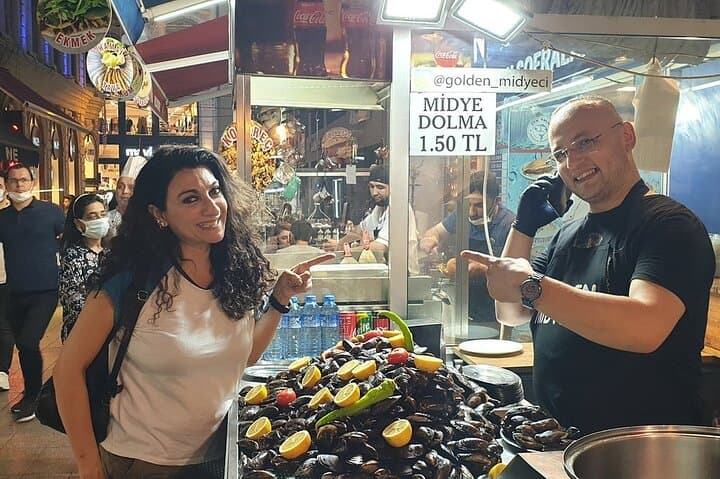
Then the day's anchor: Local Tour Guide Istanbul runs a half-day food tour through the Beyoğlu neighborhood that turns the streets of Pera into a tasting menu. Eight stops across three hours — starting with a meze spread at a family-run lokanta on a side street off İstiklal, moving through simit vendors and cheese shops, pausing for the best kebab in the district at a place with four tables and no English menu, tasting lahmacun rolled with herbs and onion at a counter that's been serving them the same way since the 1960s, then finishing with baklava still warm from the oven at a shop the guide's family has used for three generations. The group is small — eight people maximum — and the guide weaves the culinary history through the neighborhood's architecture, explaining how the Greek, Armenian, and Levantine communities shaped what Istanbul eats today. It's the kind of morning where every doorway leads to a story and every story leads to a plate. Even without the tour, Beyoğlu's food scene rewards wandering. But the guide is what separates eating from understanding.
After the tour, walk İstiklal Avenue — the 1.4-kilometer pedestrian boulevard that runs from Tünel to Taksim Square. The historic red tramway clangs through the crowd, the Art Nouveau apartment buildings still have their original ironwork, and every side street hides a passage — the Çiçek Pasajı flower passage, the Balık Pazarı fish market alley, the Atlas Cinema passage with its 1940s theater. Pick two side streets and see them properly.
Then duck south into Çukurcuma — the antique and vintage quarter tucked below İstiklal. Ottoman ceramics, vinyl records from the 1970s Turkish psychedelic scene, and dusty kilims stacked in shops the size of closets. The Museum of Innocence — Orhan Pamuk's novel-as-museum — occupies a narrow red building on Çukurcuma Caddesi. Worth thirty minutes.
Walk downhill through Cihangir toward Karaköy as the light softens. Cihangir is Istanbul's café neighborhood — expats, cats on every wall, and Bosphorus views between apartment buildings. Coffee at Kronotrop on Firuzağa, one of Istanbul's best specialty roasters, then continue down to the waterfront.
Dinner at Karaköy Lokantası — modern Turkish cuisine in a tiled former bank building, two blocks from the Galata Bridge. The menu changes daily, the wine list favors Turkish producers from Thrace and Cappadocia, and the atmosphere hits the sweet spot between neighborhood restaurant and destination dining. Sit by the window and watch Karaköy's evening crowd pass by. That's the rule: end it at a table, no rush.
Day 3 — By Water
In collaboration with Acetes Travel
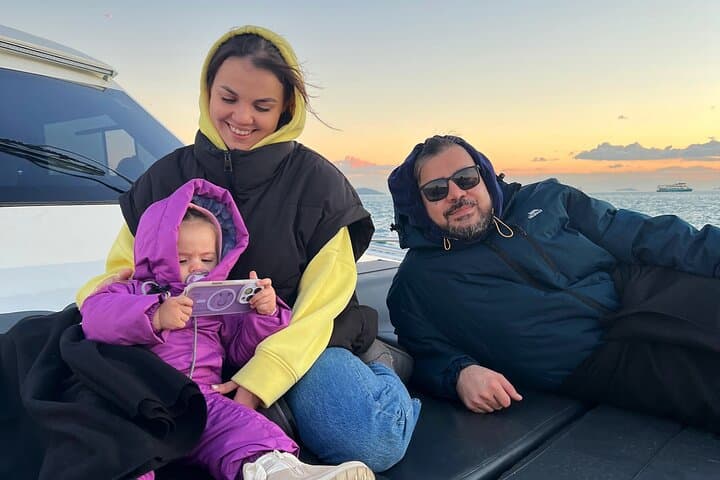
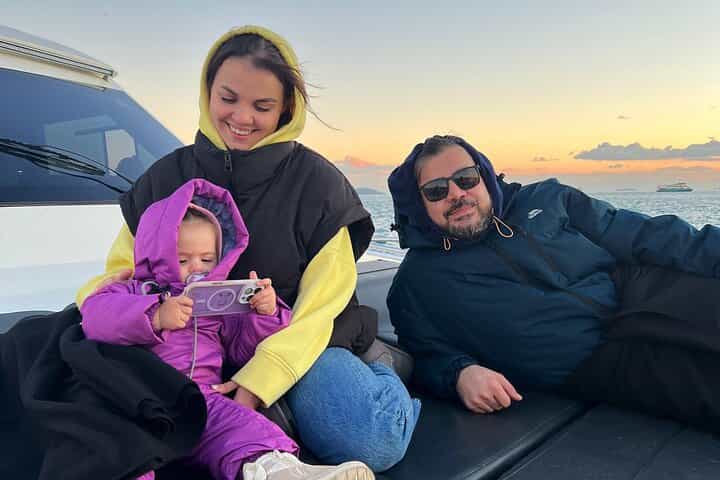
My last day starts at the waterfront, crosses a continent by ferry, and ends on the Bosphorus as the city lights up on both sides.
Day 3 begins in Eminönü (European side), crosses to Kadıköy (Asian side) by ferry, then returns to Karaköy for the evening Bosphorus cruise. The ferry crossing is 20 minutes and part of the experience.
Start at the Spice Bazaar — the Mısır Çarşısı — while the vendors are still stacking their displays. It's smaller and more focused than the Grand Bazaar: spice mountains in every color, Turkish delight in glass cases, dried fruit, lokum, and saffron by the gram. The air is thick with the scent of sumac and cinnamon. Buy a small bag of pistachios from one of the stalls near the western entrance — they're roasted fresh each morning. The whole visit takes thirty minutes.
From there, walk uphill ten minutes to the Süleymaniye Mosque — the masterwork of the architect Sinan, built between 1550 and 1557 for Suleiman the Magnificent. Every other mosque in Istanbul is beautiful. This one is perfect. The proportions of the central dome, the way the light falls through the stained glass windows designed by an artist known only as Sarhoş Ibrahim — Drunk Ibrahim — and the courtyard cemetery where Suleiman and his wife Hürrem Sultan lie buried together, make this the building that architects still study. It's less crowded than Hagia Sophia or the Blue Mosque, and the terrace behind the mosque has one of the best views over the Golden Horn. The tea garden in the old medrese next door serves çay for almost nothing — sit, look at the view, and let the morning settle.
Then back to Eminönü for the ferry to Kadıköy. This is the crossing that defines Istanbul — twenty minutes on the water between Europe and Asia, the city's skyline receding behind you, the Maiden's Tower passing on the port side, the Asian shore growing from a haze into a neighborhood. Stand on the upper deck. The ferry ride alone is worth the trip.
Kadıköy is a different Istanbul. No minarets competing for the skyline, no tourist groups following flags. The Kadıköy fish market — narrow alleys lined with fish stalls, meze counters, vegetable vendors, and pickle shops — is the best food market in the city. Lunch at Çiya Sofrası, the restaurant that put Anatolian regional cooking on the international map. The menu changes daily — Southeastern kebabs, Black Sea greens, Aegean olive oil dishes, Hatay-style pomegranate stews. Order whatever the waiter recommends. Then walk the Moda waterfront promenade — a curved path along the Sea of Marmara with views back to the European side and the kind of pace that makes you wonder why everyone stays on the other shore.
Ferry back to Karaköy in the late afternoon. Time for a Turkish coffee at Mandabatmaz — a tiny shop on a side street behind İstiklal, open since 1967, serving coffee so thick the cup could float on the foam. Then the day's anchor: Acetes Travel runs a two-hour sunset Bosphorus cruise aboard a luxury yacht departing from Karaköy. The yacht sails north along the European shore, past the waterfront mansions of Arnavutköy and the Rumeli Fortress, then turns back along the Asian shore as the sun drops behind the minarets. Two glasses of wine per guest, light canapés, and a guided narration that explains what you're seeing — which palace belonged to which sultan, which wooden yalı is the oldest on the strait, why the current runs south in winter and north in summer. The Bosphorus at sunset is the image that defines Istanbul, and from the water it's even better than you imagined. Even without the cruise, the sunset ferry to Üsküdar gives you a version of this view. But the yacht is what turns a ferry ride into an evening.
Back at Karaköy, dinner at Lokanta Maya — seasonal Turkish cuisine with a farm-to-table philosophy, housed in a converted warehouse near the cruise terminal. The chef trained in London and returned to cook what the Bosphorus fishing boats bring in that morning. Book ahead.
Three days. Three different ways to move through Istanbul — on foot through the empires, by taste through the neighborhoods, by water between two continents. Zero wasted time.
What About the Princes' Islands?
Every Istanbul guide mentions the Princes' Islands — the car-free archipelago in the Sea of Marmara, reachable by ferry from Kabataş. And they're beautiful: horse carriages replaced by electric vehicles, Victorian-era wooden mansions, pine forests, and beaches that feel hours from the city.
But the ferry takes seventy minutes each way. Add the island itself — Büyükada needs at least three hours to explore properly — and you've lost an entire day to transport and a single island.
On a 3-day trip, that's a whole neighborhood gone. And Istanbul's neighborhoods are what make it feel like Istanbul.
If the Princes' Islands are non-negotiable: swap Day 3 morning. Instead of the Spice Bazaar and Kadıköy, take the early ferry to Büyükada, explore until early afternoon, and return to Karaköy in time for the sunset cruise. You'll lose the Asian side — but the cruise still holds the day together. Or better yet, add a fourth day: our 4 Days Istanbul City Break gives the islands the time they deserve without cutting anything else.
The islands aren't missing from this trip. They're saved for when you have the time to do them right.
Seasonal Notes
This itinerary is designed for spring and early autumn — the seasons when Istanbul has the best balance of warm weather, manageable crowds, and that particular light over the Bosphorus that turns the whole city gold in the late afternoon.
Spring (April–June): The ideal window. Tulip season fills the parks around Sultanahmet and Emirgan with millions of blooms (April). Temperatures sit between 15–25°C, perfect for walking. The Bosphorus cruise is comfortable without being hot. Outdoor dining is at its best. Book the food tour and cruise a few days ahead — spring weekends fill up.
Summer (July–August): Hot and crowded — temperatures regularly hit 35°C and Sultanahmet is shoulder-to-shoulder. Start the walking day early (before 08:00) and take longer midday breaks. Move the Bosphorus cruise to late afternoon if available. Kadıköy's waterfront is more pleasant than the European side in the heat. Drink more ayran than you think you need.
Winter (December–February): Cold and atmospheric. The mosques are quieter, the bazaars more local, and the Bosphorus in fog is hauntingly beautiful. The sunset cruise operates year-round but dress in layers — the wind on the water cuts through everything. Swap the Moda waterfront walk for more time at Çiya Sofrası and the indoor Kadıköy market. Add a hammam session — the Çemberlitaş Hamamı near the Grand Bazaar has been steaming since 1584.
Why This Experience
A 3-day Istanbul itinerary that covers the historic mosques, the Bosphorus, and the food scene — without the exhausting day plans and monument marathons that most guides demand. You'll walk through Hagia Sophia's fifteen-hundred-year-old Byzantine mosaics, discover the painted streets of Fener-Balat with a guide who knows every doorway, eat your way through eight stops in Beyoğlu with a local who connects the food to the city's multicultural history, and cruise the Bosphorus at sunset between two continents with wine in hand.
Each day is built around a different type of guided experience — a walking tour on Day 1, a food tour on Day 2, and a sunset cruise on Day 3 — so the energy shifts daily and the city reveals itself in three completely different ways. The pace is realistic: one anchor experience per day, specific restaurants with specific dishes, and enough free time to sit in a tea garden, browse a spice stall, or just watch the ferries cross the Golden Horn.
This itinerary is designed for first-time visitors who want to feel Istanbul, not just photograph it — whether traveling solo, as a couple, or with friends who'd rather eat at the right counter than queue for another palace.
Before You Go
Best time: Spring and early autumn for comfortable walking weather and golden Bosphorus light; winter for atmospheric mosques and quieter bazaars.
Budget: Mid-range — guided experiences, mosques (free entry), casual to moderate restaurants, ferries, and markets. Check the booking widget on each tour page for current pricing.
Difficulty: Easy to moderate — mixed walking and ferry/tram transfers. Day 1 involves the most walking (Sultanahmet + Fener-Balat hills). Average 3–5 miles per day on foot, with some steep streets in Balat and Cihangir.
What to bring: Comfortable walking shoes (cobblestones everywhere), a headscarf for mosque visits, light layers for variable spring weather, water bottle, small backpack or tote, phone for ferry schedules.
Getting there: Arrive at Istanbul Airport (IST) — the Havaist bus reaches Taksim in 60–90 minutes; the metro M11 connects to Gayrettepe. Sabiha Gökçen (SAW) on the Asian side serves budget airlines — the Havabus reaches Kadıköy in 60 minutes. Stay in Sultanahmet for Day 1 convenience or Karaköy/Galata for better food and evening access.
Getting around: The T1 tram connects Sultanahmet to Eminönü, Karaköy, and Kabataş. Ferries from Eminönü reach Kadıköy in 20 minutes. Tap a contactless debit or credit card on all trams, buses, and ferries — no physical Istanbulkart needed. Days 1 and 2 are mostly walkable.
Accessibility: Mixed — Hagia Sophia and the Blue Mosque have accessible entrances; the Basilica Cistern involves a steep staircase with no elevator; Fener-Balat has steep cobblestone streets; Kadıköy is flat and accessible; the Bosphorus cruise yacht has limited step-free access — discuss specific needs with the operator.
Complete Your Trip in Istanbul
This 3-day itinerary covers history, food, and the Bosphorus across three different rhythms — on foot, by taste, and by water. To extend or adjust:
More time in Istanbul:
- 4 Days Istanbul City Break — Add a day for Topkapı Palace, the Princes' Islands, or deeper neighborhood exploration
- 1 Perfect Day in Istanbul — Private guided highlights if time is tighter
Bookable experiences featured in this itinerary:
- Fener-Balat Tour Istanbul by Olea Travel — Guided walk through the colorful historic neighborhoods of the Golden Horn (Day 1)
- Istanbul Food Tour — History and Culture of Turkish Culinary by Local Tour Guide Istanbul — Half-day tasting tour through Beyoğlu with eight stops (Day 2)
- Istanbul Bosphorus Sunset Cruise with Wine by Acetes Travel — 2-hour luxury yacht cruise at sunset with wine and canapés (Day 3)
Day trips from Istanbul (Day 4+):
- Princes' Islands Tour with Heybeliada and Büyükada — Car-free islands in the Sea of Marmara, 70-minute ferry from Kabataş. Best in spring or early autumn.
- 2 Days Cappadocia from Istanbul — Cave hotels, fairy chimneys, and optional balloon ride. Fly from IST, overnight in Göreme.
- Ephesus Day Trip from Istanbul by Flight — Ancient Roman city on the Aegean coast. Full day with flight transfer.
By travel style:
- 3 Days in Istanbul for Couples — Sunset cruises, rooftop dinners, and a slower pace for two
- 3 Days in Istanbul for Families — Kid-friendly museums, island day trip, and hands-on experiences
- 3 Days in Istanbul for Friends — Food, Bosphorus, nightlife, and group-friendly restaurants
Browse all Istanbul itineraries at TheNextGuide.
Last updated: April 2026