Kyoto Early Bird English Tour: Fushimi Inari & Gion (Private opt)
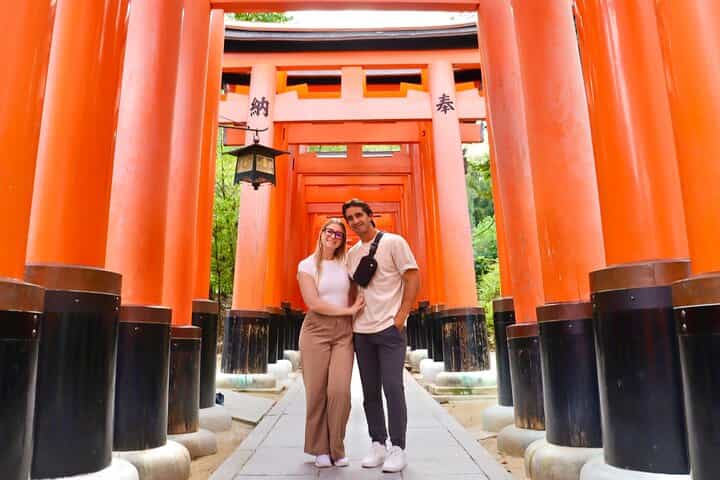
Visit Kyoto’s top five sights before the crowds arrive! Explore the iconic Fushimi Inari Shrine, enjoy breathtaking views from Kiyomizu-dera Temple, and stroll through the geisha districts of Gion. Your English-speaking local guide will share Kyoto’s rich history and culture while capturing beautiful photos for lasting memories.
In Collaboration with OTAKU hopper. Updated on February 13, 2026.
This itinerary was created in collaboration with OTAKU hopper, inspired by the tour Kyoto Early Bird English Tour: Fushimi Inari & Gion(Private opt). Please check the tour information during your booking process.
Highlights
- Walk through the Senbon torii at Fushimi Inari Taisha
- Panoramic viewing platform at Kiyomizu-dera
- Charming stone streets of Sannen-zaka / Ninen-zaka
- Historic Gion district and Yasaka Shrine
Explore all itineraries in Kyoto.
Itinerary
Day 1
Early-morning walking tour covering Fushimi Inari, Kiyomizu-dera and the Higashiyama / Gion area. Meet at Kyoto Station; the tour uses public transport and walking to move between sites.
Fushimi-Inari Taisha Shrine
Fushimi Inari is one of Kyoto's most iconic Shrines, known for its thousands of vibrant red torii gates that form scenic pathways up the forested Mount Inari. Dedicated to Inari, the god of rice and prosperity.
- MondayOpen 24 hours
- TuesdayOpen 24 hours
- WednesdayOpen 24 hours
- ThursdayOpen 24 hours
- FridayOpen 24 hours
- SaturdayOpen 24 hours
- SundayOpen 24 hours
Tips from local experts:
- Meet at Kyoto Station by the scheduled meeting time to catch the short train to Inari; take the JR Nara Line to Inari Station and use the main shrine exit for the shortest walk.
- Wear sturdy, comfortable shoes—paths include packed-earth trails and stone steps; keep a light layer for early-morning chill.
- Ask your guide to frame a couple photo along the Senbon torii corridor while the light is soft; the guide will take photos during the tour.
Kiyomizu-dera Temple
Kiyomizu-dera Temple is the most popular place for tourists and a must visit when in Kyoto. Located on top of a mountain, it commands a panoramic view of Kyoto City. Because of its history and scenery, it is one of the few temples recognized as a World Heritage Site by UNESCO.
- Monday6:00 AM – 6:00 PM
- Tuesday6:00 AM – 6:00 PM
- Wednesday6:00 AM – 6:00 PM
- Thursday6:00 AM – 6:00 PM
- Friday6:00 AM – 6:00 PM
- Saturday6:00 AM – 6:00 PM
- Sunday6:00 AM – 6:00 PM
Tips from local experts:
- From the train or bus drop-off, follow signs to the Kiyomizu-dera main hall and viewing platform; arrive early for clearer views and softer light.
- The temple complex has wooden platforms and some steep approaches—move carefully and use handrails where provided.
- The guide will pause at the main viewing platform for photos; plan a brief, posed shot together for a memorable panorama.
Sannen-zaka / Ninen-zaka
Sannen-zaka is a traditional stone-paved path lined with souvenir shops and restaurants housed in historic wooden buildings. Walking along this street feels like stepping back in time
- MondayOpen 24 hours
- TuesdayOpen 24 hours
- WednesdayOpen 24 hours
- ThursdayOpen 24 hours
- FridayOpen 24 hours
- SaturdayOpen 24 hours
- SundayOpen 24 hours
Tips from local experts:
- These lanes are narrow and surfaced with old stone—walk single-file in busier sections and watch footing.
- Many shops open as the morning progresses; use the quieter early hours for unobstructed couple photos in front of traditional machiya facades.
- Carry small cash for purchases; some traditional shops may not accept cards and streets have limited space for large bags.
Yasaka Pagoda (Hōkan-ji)
Yasaka Pagoda(Hokanji temple) is one of the oldest wooden structures in Japan. Its overwhelming scale makes it hard to believe that it was built without using nails. It is undoubtedly a symbol of Kyoto.
- MondayClosed
- TuesdayClosed
- WednesdayClosed
- ThursdayClosed
- FridayClosed
- Saturday10:00 AM – 3:00 PM
- Sunday10:00 AM – 3:00 PM
Tips from local experts:
- Approach the pagoda from the pedestrian lane to the south for classic composition shots—this area is popular with photographers.
- The pagoda is visible from the lane and is primarily an exterior photo spot; remain respectful of any worshippers or rituals in the vicinity.
- Keep voices low and avoid blocking narrow lanes; the immediate area is compact and can become congested later in the day.
Yasaka Koshindo
Yasaka Koshindo is a mysterious temple of unknown date of construction. The colorful decorations here are astonishing, as many temples are of subdued colors. The beauty of the colors makes it a popular photo spot for young people.
- Monday9:00 AM – 5:00 PM
- Tuesday9:00 AM – 5:00 PM
- Wednesday9:00 AM – 5:00 PM
- Thursday9:00 AM – 5:00 PM
- Friday9:00 AM – 5:00 PM
- Saturday9:00 AM – 5:00 PM
- Sunday9:00 AM – 5:00 PM
Tips from local experts:
- This small shrine sits across from Hōkan-ji Pagoda—look for the compact, colorful structure adjacent to the lane.
- Be prepared for close-quarters photos; step aside to let others through after taking pictures.
- Avoid placing items on shrine structures and follow any posted guidance for offerings or photography.
Gion
Gion is Kyoto’s most famous geisha district, known for its traditional wooden machiya houses, teahouses, and preserved historic streets. It’s a place where visitors can experience the charm of old Kyoto and sometimes catch a glimpse of a geisha or maiko on their way to an evening engagement.
Tips from local experts:
- Stroll along Hanami-koji and the Shirakawa riverside for the most atmospheric streets; avoid blocking teahouse entrances and be discreet with photography.
- Geisha and maiko are most often seen in the evening—use the morning stroll here for quieter, intimate photos and to enjoy the architecture.
- If you plan to continue into cafes or shops after the tour, note many smaller establishments open later in the morning; the guide can recommend nearby morning-friendly spots.
Yasaka Shrine
Our final destination is Yasaka Shrine, the headquarters of 2,300 related shrines throughout Japan. This historic shrine, dedicated to the gods of prosperity and protection, has been a vital part of Kyoto's cultural heritage for centuries.
- MondayOpen 24 hours
- TuesdayOpen 24 hours
- WednesdayOpen 24 hours
- ThursdayOpen 24 hours
- FridayOpen 24 hours
- SaturdayOpen 24 hours
- SundayOpen 24 hours
Tips from local experts:
- Yasaka Shrine sits at the east end of Shijō Street—use the main approach to reach the primary shrine grounds and torii.
- Observe standard shrine etiquette (bow at the torii, quiet at the main hall); if a ceremony is underway, keep distance and the guide will advise.
- Use the final minutes at the shrine for relaxed photos together; the guide will assist with group or couple shots before concluding the tour.
Itinerary Attributes
| Days | 1 |
| Highlights | 4 |
| Season | - |
| Month | - |
| Persona | Couples |
| Transfers | - |
| Restaurants | - |
| Total Activities | 7 |
| Total Places | 7 |
| Activities Types | Attraction, Neighborhood, Culture |
Why this experience
You'll wake early—the tour starts as dawn breaks—and head straight to Fushimi Inari Taisha, the shrine famous for thousands of vermillion torii gates stacked up the mountain. The magic is in the timing. By arriving before 7 a.m., you'll walk through gates in soft morning light, with far fewer people. You'll navigate the quieter paths, take photos without crowds in the frame, and feel the sacred atmosphere the shrine was built for. Your guide explains the mythology, the history of the gates, and what you're really seeing. After an hour at Fushimi Inari, you'll head to Gion, Kyoto's most famous geisha district. The morning light on the wooden machiya houses is beautiful, and you'll explore at a pace that lets details sink in—the architecture, the narrow lanes, the sense of living history.
This is ideal for couples who want to experience iconic Kyoto sights without the midday crowds, who appreciate a good guide, and who don't mind getting up early for a reward. The private option means it's just the two of you and the guide—no group energy, just intimate exploration.
Before you go
- Best time: Spring (cherry blossoms frame the torii gates) or autumn (clear skies, cool temperatures for walking). Any season works, but spring and autumn magnify the beauty.
- Budget: Check the booking widget for current tour pricing. Drinks or light breakfast may be included; confirm details during booking.
- Difficulty: Easy to moderate. Mostly flat walking with one steep uphill section at Fushimi Inari (optional—you can turn back anytime). Comfort with early mornings essential.
- What to bring: Layers (mornings are cool; you'll warm up). Comfortable walking shoes (essential—uneven terrain at Fushimi Inari). Camera or phone for photography. Small water bottle. Hat or headgear.
- Getting there: Meeting point provided upon booking, usually near JR Kyoto Station or Fushimi Inari Station. Early morning transport via taxi, bus, or train (driver assists with directions).
- Accessibility: Fushimi Inari has very steep stairs and uneven ground. Not wheelchair accessible. Inform your guide of mobility concerns; they can adjust the itinerary.
Frequently asked questions
How early is "early"? Tour typically starts at 6:30–7:00 a.m. You'll be at Fushimi Inari by sunrise or shortly after.
Do we climb the whole mountain? No. Most visitors walk the lower sections (30–45 minutes), which have the most gates and best photos. You can go higher if you're fit, but it's not expected.
What if it rains? The tour runs in light rain. Heavy rain may result in rescheduling; check your booking confirmation for rain policy.
What's included in this itinerary? This itinerary on TheNextGuide is free to read and follow at your own pace. The bookable experience includes a private or small-group early morning guided tour of Fushimi Inari Taisha and Gion, with an English-speaking guide, flexible pacing, and option for private booking.
Complete your trip in Kyoto
This early-start experience maximizes quiet time at Kyoto's most famous sites. Balance it with:
- Kyoto in 1 Day - Gion geisha district walking tour — Explore Gion further with a focus on geisha stories and history
- Kyoto in 3 Days - Romantic itinerary for couples — Expand your Kyoto experience with a multi-day couples' itinerary that includes morning Fushimi Inari
- Kyoto in 1 Day - Private eastern Kyoto walking tour — Explore other quiet neighborhoods with a local guide
Browse all Kyoto itineraries at TheNextGuide.
Last updated: April 2026