Gentle Spring in Tokyo — 2-Day Accessible Tour for Seniors
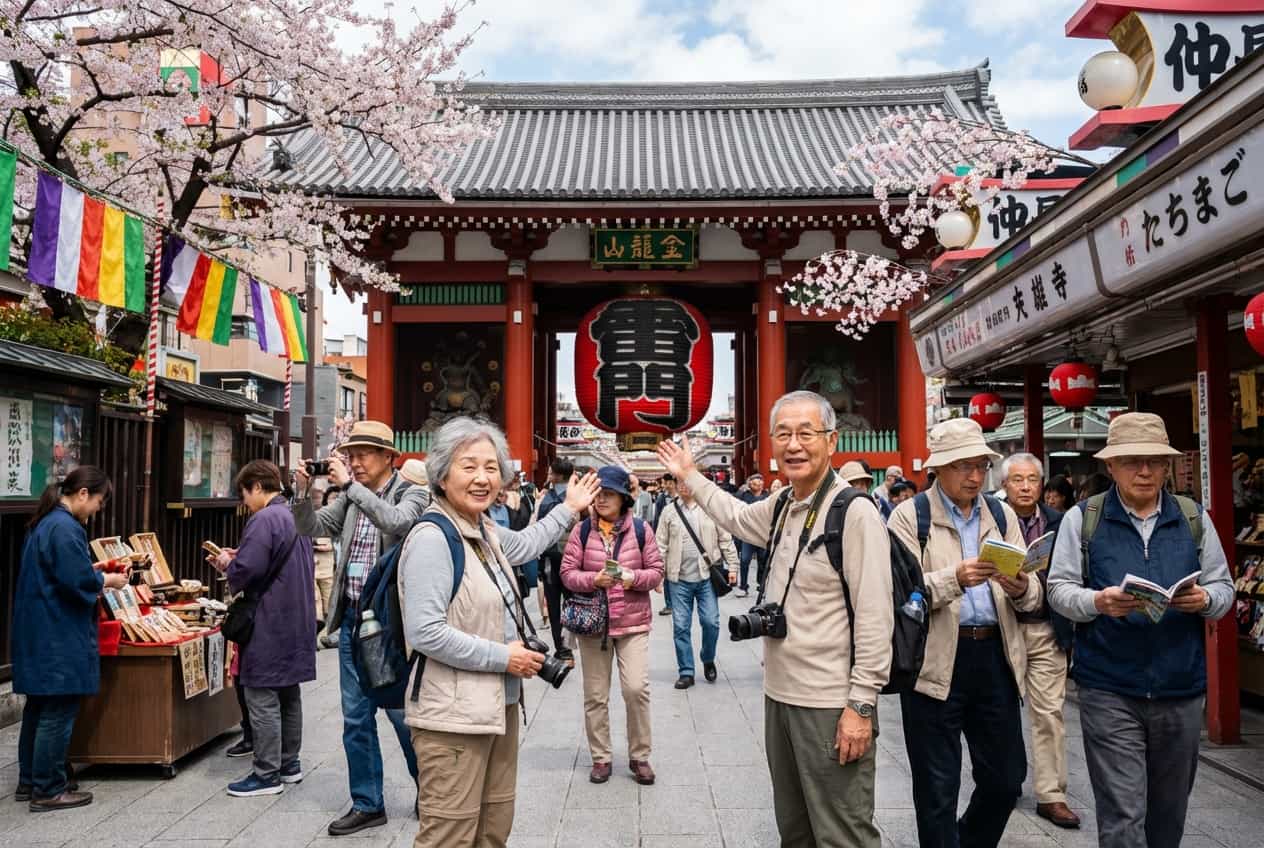
A calm, senior-friendly two-day Tokyo itinerary in April (spring cherry-blossom season). Short transfers, frequent rests, step-free routes where possible, and accessible dining. Planned for comfort, seating, shade, and easy transport.
Highlights
- Spring cherry blossoms and gardens
- Panoramic, elevator-accessible skyline views
- Calm historic neighborhoods with frequent rest stops
Explore all itineraries in Tokyo.
Itinerary
Day 1
Central Tokyo: Imperial Palace, Marunouchi, Sumida/Skytree and Asakusa. Gentle pace with short taxi/train transfers and frequent seating breaks.
Imperial Palace East Gardens — gentle morning stroll among spring blossoms
A calm, mostly level garden beside the Imperial Palace. Paved paths, benches, and accessible restrooms near entrances. Avoids steep slopes; good for relaxed walking and cherry-blossom viewing in April.
- MondayClosed
- Tuesday9:00 AM – 4:00 PM
- Wednesday9:00 AM – 4:00 PM
- Thursday9:00 AM – 4:00 PM
- FridayClosed
- Saturday9:00 AM – 4:00 PM
- Sunday9:00 AM – 4:00 PM
Tips from local experts:
- Use the Otemon Gate (main east entrance) for step-free access and elevators to nearby train stations; avoid the small stone steps at some secondary gates.
- Bring a light layer — April mornings can be cool; shaded benches are available along the main paths for frequent rests.
- Accessible toilets are located near the visitor center; staff can help with short routes if mobility is limited.
Taxi transfer to Tokyo Station / KITTE Marunouchi
Short taxi (recommended for comfort). Drop-off at KITTE Marunouchi for an easy, step-free lunch and rooftop garden with benches and elevators.
Tips from local experts:
- Ask the driver for the station-side drop-off at KITTE Marunouchi to minimize walking across busy streets.
- If taking the train instead, use elevators at Otemachi or Tokyo Station — staff are helpful with directions and lifts.
- Keep a card with the hotel name and address in Japanese to show the driver for a smooth return trip.
Lunch and rooftop garden at KITTE Marunouchi — relaxed meal with indoor seating
Large selection of restaurants inside KITTE with elevators, wide corridors, and calm seating. The KITTE rooftop garden (Kitte Garō) has benches and city views — a pleasant, step-free rest spot after lunch.
- Monday11:00 AM – 10:00 PM
- Tuesday11:00 AM – 10:00 PM
- Wednesday11:00 AM – 10:00 PM
- Thursday11:00 AM – 10:00 PM
- Friday11:00 AM – 10:00 PM
- Saturday11:00 AM – 10:00 PM
- Sunday11:00 AM – 10:00 PM
Tips from local experts:
- Choose a restaurant on the lower floors to avoid additional walking; many have table seating and accessible restrooms.
- Use the rooftop garden for a post-meal rest — shaded benches and gentle views make it ideal for catching breath.
- If you need help with menus or ordering, staff at KITTE's information desk can assist in English and Japanese.
Train or taxi transfer to Sumida / Tokyo Skytree area
Short transfer to Sumida where Tokyo Skytree and Tokyo Solamachi mall are located. Trains have elevators at major transfer stations; taxis are recommended for extra comfort.
Tips from local experts:
- If using JR/metro, check elevator locations at Tokyo Station and transfer stations (station maps are posted at entrances).
- A taxi directly to Tokyo Skytree will bring you to the entrance with minimal walking and luggage help from drivers.
- Pack a small bottle of water for the short transfer, and sit near doors on the train for easier boarding and disembarking.
Tokyo Skytree & Tokyo Solamachi — panoramic views with elevator access
Ride the high-speed elevators to the Skytree observation decks for accessible, wheelchair-friendly panoramic views. Tokyo Solamachi (the shopping complex at the base) has many seated cafes, accessible restrooms, and climate-controlled indoor spaces.
- Monday10:00 AM – 10:00 PM
- Tuesday10:00 AM – 10:00 PM
- Wednesday10:00 AM – 10:00 PM
- Thursday10:00 AM – 10:00 PM
- Friday10:00 AM – 10:00 PM
- Saturday9:00 AM – 10:00 PM
- Sunday9:00 AM – 10:00 PM
Tips from local experts:
- Buy observation-deck tickets in advance to avoid queues and standing; there are priority or timed-entry options that reduce waiting.
- Elevators and accessible toilets are available; trolley and wheelchair users are accommodated at the elevator entrance.
- Use Solamachi for a mid-visit seat — several cafes have counter and table seating designed to be easy to get in and out of.
Short cafe break at Tokyo Solamachi — rest and refreshments
Take a calm 30-minute break inside Solamachi. Plenty of seating, indoor climate control, and bench areas at the mall for easing into the afternoon.
- Monday10:00 AM – 9:00 PM
- Tuesday10:00 AM – 9:00 PM
- Wednesday10:00 AM – 9:00 PM
- Thursday10:00 AM – 9:00 PM
- Friday10:00 AM – 9:00 PM
- Saturday10:00 AM – 9:00 PM
- Sunday10:00 AM – 9:00 PM
Tips from local experts:
- Pick a cafe near the main concourse to avoid extra walking; many have chairs with armrests to help standing up.
- Ask staff for a quieter corner table away from busy walkways and escalators.
- Use the mall’s accessible restrooms before continuing to minimize any need to search later.
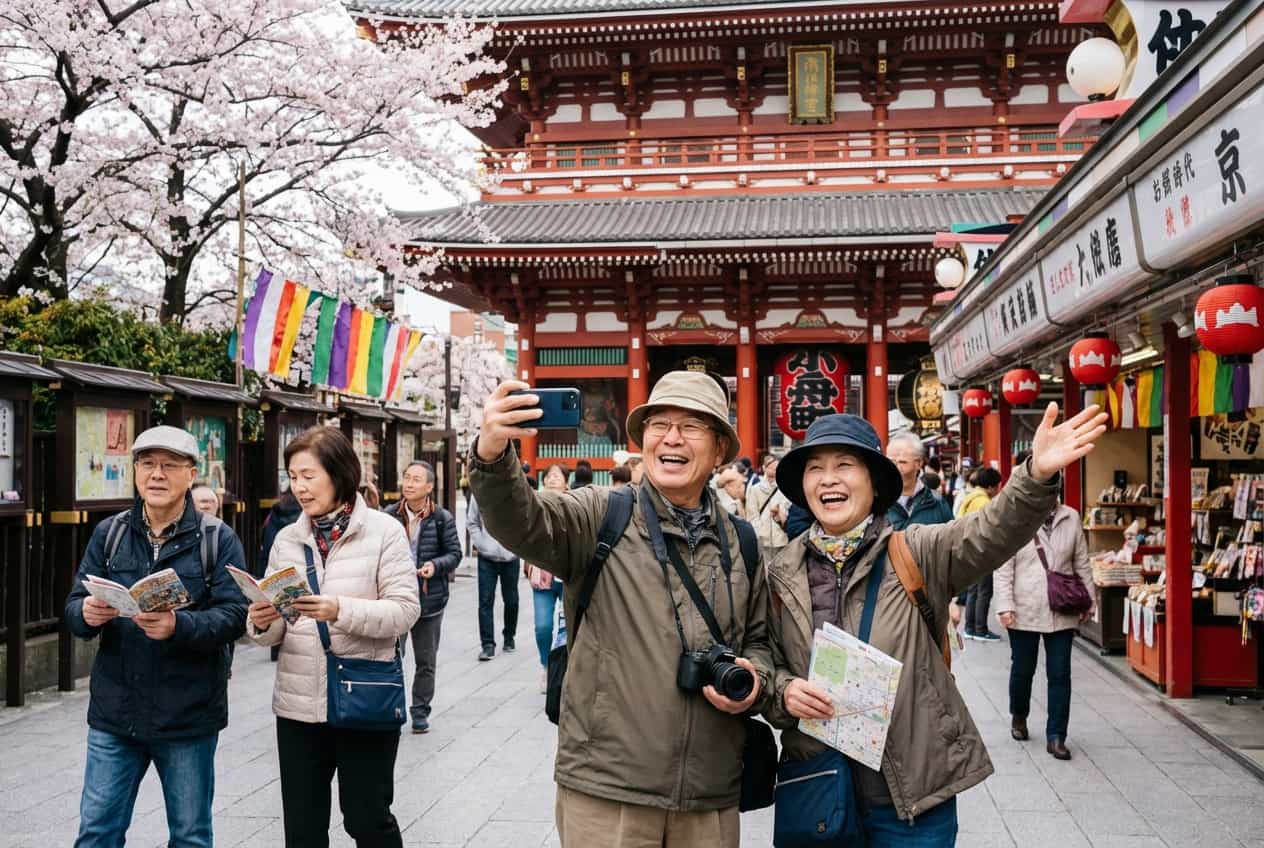
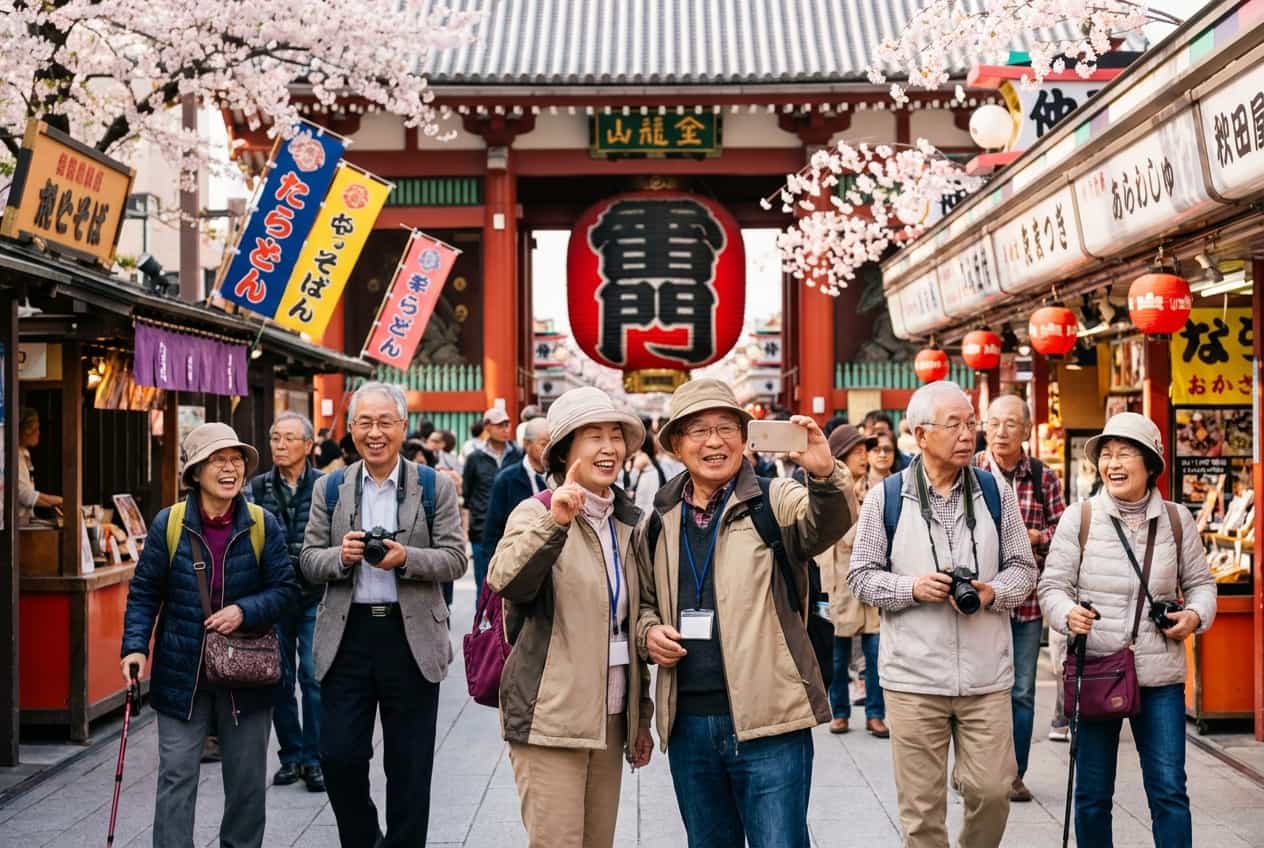
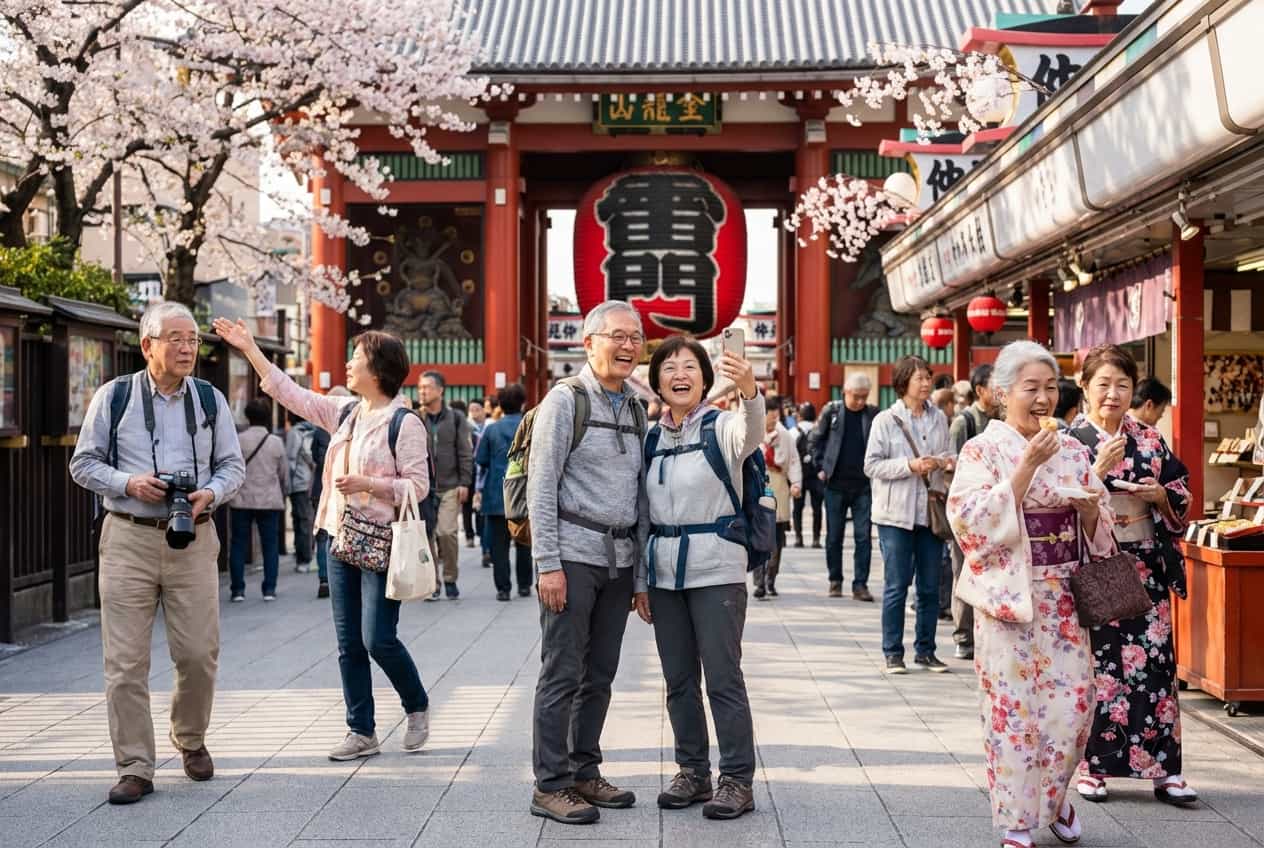
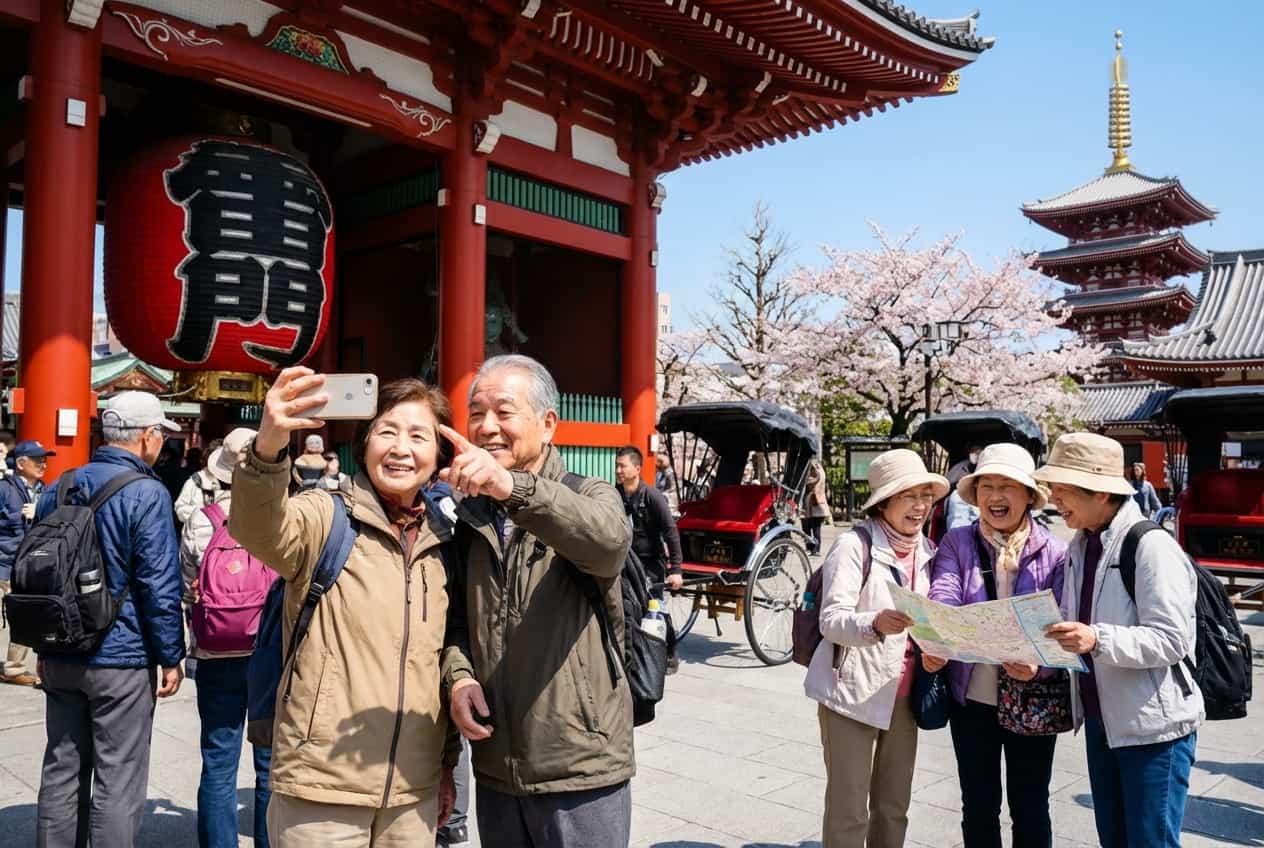
Senso-ji Temple (Asakusa) — short cultural visit in the afternoon
Historic temple with a lively outer approach (Nakamise-dori). We plan a short, calm visit to the temple grounds; use the less-crowded side paths and benches near the main hall. Some sections of Nakamise are crowded — keep to the wider sidewalks.
Tips from local experts:
- Enter from the east/south approaches where the sidewalks are wider and step-free; avoid narrow alleys when crowds are heavy.
- There is a paved, level path to the main hall and accessible restrooms nearby — ask the tourist office at the site entrance if you need the shortest route.
- Visit later in the afternoon (as planned) to avoid the midday tourist peak; take frequent short rests at shaded benches near the temple grounds.
Transfer back to central hotel area (taxi recommended)
Private taxi back to your hotel area to limit walking and transfers; taxi drivers in Tokyo can help with luggage and finding step-free drop-off points.
Tips from local experts:
- Show the driver your hotel name and address in Japanese to ensure a clear drop-off point with minimal walking.
- Ask the hotel in advance about the best taxi drop-off spot (some hotels have a covered entrance and wheelchair-friendly route).
- Keep receipts for any taxi trips; many taxis accept cash only — have small bills handy.
Day 2
Parks and museums with gentle paths and indoor rest areas, followed by a calm afternoon in Ginza for shopping and an early, seated dinner.
Shinjuku Gyoen National Garden — morning garden visit and cherry blossoms
Wide paved and gravel paths, many benches, and managed lawns. In April the garden is ideal for cherry-blossom viewing; multiple entrances have step-free access and accessible restrooms.
- MondayClosed
- Tuesday9:00 AM – 4:00 PM
- Wednesday9:00 AM – 4:00 PM
- Thursday9:00 AM – 4:00 PM
- Friday9:00 AM – 4:00 PM
- Saturday9:00 AM – 4:00 PM
- Sunday9:00 AM – 4:00 PM
Tips from local experts:
- Use the Sendagaya or Shinjuku Gate entrances where step-free routes and elevators are signposted; avoid steep footbridges.
- Bring a small folding seat cushion if you prefer softer back support on benches, although benches and tea-house seating are widely available.
- Visit early in the morning to enjoy quieter paths and easier bench availability; park staff can point out the shortest loops to reduce walking.
Transfer by taxi or accessible train to Ueno (short trip)
A comfortable transfer to Ueno where museums and green spaces provide calm indoor seating and accessible facilities.
Tips from local experts:
- If using trains, request elevator directions at the station gate staff; many stations have staffed elevators and tactile guiding strips.
- A taxi may be marginally faster and requires less walking — specify a drop-off near the museum entrance to avoid stairs.
- Keep a copy of the museum name in Japanese for the driver to ensure a direct destination.
Lunch at Innsyotei (Ueno Park) — traditional setting with calm seating options
Historic restaurant inside Ueno Park offering table seating and quiet rooms in a garden setting. It’s a calm place to sit and refresh before museum visits (note some seating areas may be low — ask for table seating).
- Monday11:00 AM – 3:00 PM, 5:00 – 9:00 PM
- Tuesday11:00 AM – 3:00 PM, 5:00 – 9:00 PM
- Wednesday11:00 AM – 3:00 PM, 5:00 – 9:00 PM
- Thursday11:00 AM – 3:00 PM, 5:00 – 9:00 PM
- Friday11:00 AM – 3:00 PM, 5:00 – 9:00 PM
- Saturday11:00 AM – 3:00 PM, 5:00 – 9:00 PM
- Sunday11:00 AM – 3:00 PM, 5:00 – 9:00 PM
Tips from local experts:
- Request table seating when booking or on arrival to avoid low tatami-style seating if that is difficult to use.
- There is a short, level access path from the drop-off point in Ueno Park; staff can help with carrying trays if needed.
- Arrive slightly before the lunch rush for quieter service and easier seating — weekdays are preferable for lower crowds.
Tokyo National Museum — accessible cultural visit with seating and elevators
Japan’s largest museum with widely spaced exhibits, elevators, accessible restrooms, and many benches. Wheelchairs are available on request; staff assist with routes to minimize walking.
- MondayClosed
- Tuesday9:30 AM – 5:00 PM
- Wednesday9:30 AM – 5:00 PM
- Thursday9:30 AM – 5:00 PM
- Friday9:30 AM – 8:00 PM
- Saturday9:30 AM – 8:00 PM
- Sunday9:30 AM – 5:00 PM
Tips from local experts:
- Ask at the information desk for a short-access route through the highlights to limit walking distance and time on your feet.
- Use the museum benches frequently; each gallery has resting points and climate control for comfort.
- Rent a wheelchair at the entrance if needed — reservation is sometimes possible and museum staff will help navigate elevators and ramps.
Rest break in Ueno Park — shaded benches and gentle pathways
After the museum, a 30-minute restful break on park benches near the museum area to sit, enjoy the greenery, and avoid rushing between activities.
- Monday5:00 AM – 11:00 PM
- Tuesday5:00 AM – 11:00 PM
- Wednesday5:00 AM – 11:00 PM
- Thursday5:00 AM – 11:00 PM
- Friday5:00 AM – 11:00 PM
- Saturday5:00 AM – 11:00 PM
- Sunday5:00 AM – 11:00 PM
Tips from local experts:
- Choose benches near the museum exits to minimize additional walking and to have quick access to toilets or taxis.
- If you’d like a quieter spot, walk a short, flat route toward Shinobazu Pond’s edge where benches are often less crowded.
- Carry a small sun hat and light layer — April afternoons can be sunny; shaded benches help keep you comfortable.
Transfer to Ginza for a calm afternoon stroll (taxi recommended)
Short taxi or accessible train ride to Ginza for easy curb-to-entrance access at department stores and malls with elevators and seating.
Tips from local experts:
- Ask for drop-off at the main department-store entrances (Mitsukoshi or Ginza Six) to avoid long crossings or stairs.
- If using metro, take note of elevator locations at Ginza Station and ask station staff for the nearest accessible exit.
- Carry the department store name in Japanese on a card to show drivers or station staff if directions are needed.
Gentle Ginza stroll and seated window-shopping at Ginza Six
Ginza Six offers well-spaced corridors, many benches, climate-controlled indoor areas, and a rooftop garden. This is an easy area for seniors to enjoy upscale window-shopping without long walks.
- Monday10:30 AM – 8:30 PM
- Tuesday10:30 AM – 8:30 PM
- Wednesday10:30 AM – 8:30 PM
- Thursday10:30 AM – 8:30 PM
- Friday10:30 AM – 8:30 PM
- Saturday10:30 AM – 8:30 PM
- Sunday10:30 AM – 8:30 PM
Tips from local experts:
- Use the indoor walkways and rooftop garden to avoid busy sidewalks; elevators are available to all floors and the rooftop.
- Many department stores have senior-friendly restrooms and seating areas — ask at customer service for a quiet lounge.
- Avoid peak shopping hours; late afternoon is usually calmer and staff will be ready to assist with purchases or directions.
Early seated dinner in Ginza — calm, easily accessible restaurant
A relaxed early dinner at a seated restaurant inside Ginza Six or a nearby accessible restaurant with table seating and calm ambiance. Early dining avoids late-night travel.
- Monday10:30 AM – 8:30 PM
- Tuesday10:30 AM – 8:30 PM
- Wednesday10:30 AM – 8:30 PM
- Thursday10:30 AM – 8:30 PM
- Friday10:30 AM – 8:30 PM
- Saturday10:30 AM – 8:30 PM
- Sunday10:30 AM – 8:30 PM
Tips from local experts:
- Reserve a table ahead and request seating near the aisle for easy access and minimal transfers to restrooms.
- Choose an early seating (around 17:00–18:30) when staff are less rushed and service is gentler.
- Ask for a mild-flavor menu option if dietary concerns exist; many Ginza restaurants can accommodate reduced-sodium or soft foods on request.
Itinerary Attributes
| Days | 2 |
| Highlights | 3 |
| Season | - |
| Month | - |
| Persona | Seniors |
| Transfers | 5 |
| Restaurants | 3 |
| Total Activities | 11 |
| Total Places | 11 |
| Activities Types | Outdoor, Transfer, Meal, Attraction, Break, Culture, Neighborhood, Restaurant |
Why this experience
Two spring days, designed around accessibility and ease. You'll start at Imperial Palace East Gardens, where cherry blossoms frame ancient stone walls and wide, flat paths lead you through 400 years of history. The gardens are deliberately uncrowded compared to other spring hotspots—you'll find benches overlooking blossoms and internal gates that reveal intimate moments rather than tourist masses. Your second location is KITTE Marunouchi, a modern cultural center steps from the palace, where you'll explore galleries, browse craft shops, and rest in climate-controlled galleries while enjoying views back toward the palace gardens. By evening, you'll head to Tokyo Skytree—Japan's tallest structure—where elevators whisk you above the city for a completely different perspective. Two neighborhoods, maximum two transitions between them, everything step-free and designed with restrooms, elevators, and seating in mind.
What makes this two-day itinerary work for seniors is simplicity—no crowded trains, no long walks, no rushing between distant landmarks. Spring's mild temperatures and the blossoms themselves become your reward for moving thoughtfully through spaces designed for you.
This is Tokyo's best season made accessible.
Before you go
- Best time: Late March through mid-April, when cherry blossoms peak around the Imperial Palace. Spring temperatures (15–20°C) are ideal for outdoor walking without overheating. Early morning visits ensure quieter palace gardens.
- Budget: Check the booking widget for current tour pricing. Palace gardens and Tokyo Skytree have modest entry fees. KITTE is free to explore; cafés and gift shops are optional. A guide ensures you avoid lines and crowds.
- Difficulty: Easy. All paths are step-free and paved. Walking is minimal (20–30 minutes per day, total). Most time is spent sitting, viewing, or moving slowly through gardens and galleries.
- What to bring: IC card for occasional metro or taxi, comfortable flat shoes (well-cushioned), light layer for temperature changes, sunglasses and sunscreen, reading material for rest breaks, camera for palace blossoms.
- Getting there: Meet at Imperial Palace East Gardens entrance. Served by multiple metro lines (Chiyoda, Marunouchi). Nearest stations are Otemachi and Hibiya, both 5-minute walks. Your guide handles all logistics.
- Accessibility: Imperial Palace East Gardens is fully step-free with designated accessible entrances and pathways. KITTE Marunouchi has full elevator access throughout. Tokyo Skytree has accessible facilities and elevators. Accessible restrooms and seating areas throughout all venues.
Frequently asked questions
Is Tokyo Skytree worth visiting if we can only go for a few hours? Yes. The experience is the view—spending 45 minutes to two hours on the observation deck is perfect. You're not trying to do everything in Tokyo; you're gaining perspective from above.
Will the Imperial Palace gardens be too crowded in spring? The East Gardens are less crowded than Ueno Park or Shinjuku Gyoen. Your guide times morning visits to beat peak hours. The pace is inherently slower, which naturally discourages rushed visitors.
How much time do we actually spend in KITTE? As much as feels right. It's an optional middle point between the palace and Tokyo Skytree—a place to rest, have tea, browse galleries if interested, or simply sit and watch the city. You control the pace.
What's included in this itinerary? This itinerary on TheNextGuide is free to read and follow at your own pace. The bookable experience includes two days of step-free guided exploration of Imperial Palace East Gardens, access to KITTE Marunouchi's galleries and cafés, Tokyo Skytree observation deck timing, reserved rest areas and seating, accessible restroom coordination, and expert pacing throughout.
Complete your trip in Tokyo
This two-day spring itinerary emphasizes comfort and accessibility. For alternative senior-friendly Tokyo experiences, explore:
- Gentle 3-day Tokyo—Spring for seniors — An extended spring itinerary if you want more days in the same season
- Gentle Tokyo—Ueno, Asakusa, and Ginza in winter — The same neighborhoods in quieter winter season
- Comfortable 1-day Tokyo—Autumn senior-friendly — A single-day alternative in a different season
Browse all Tokyo itineraries at TheNextGuide.
Last updated: April 2026