Quiet Reveillon: Neon & Tradition — 3 Days Solo in Tokyo (January, Winter)
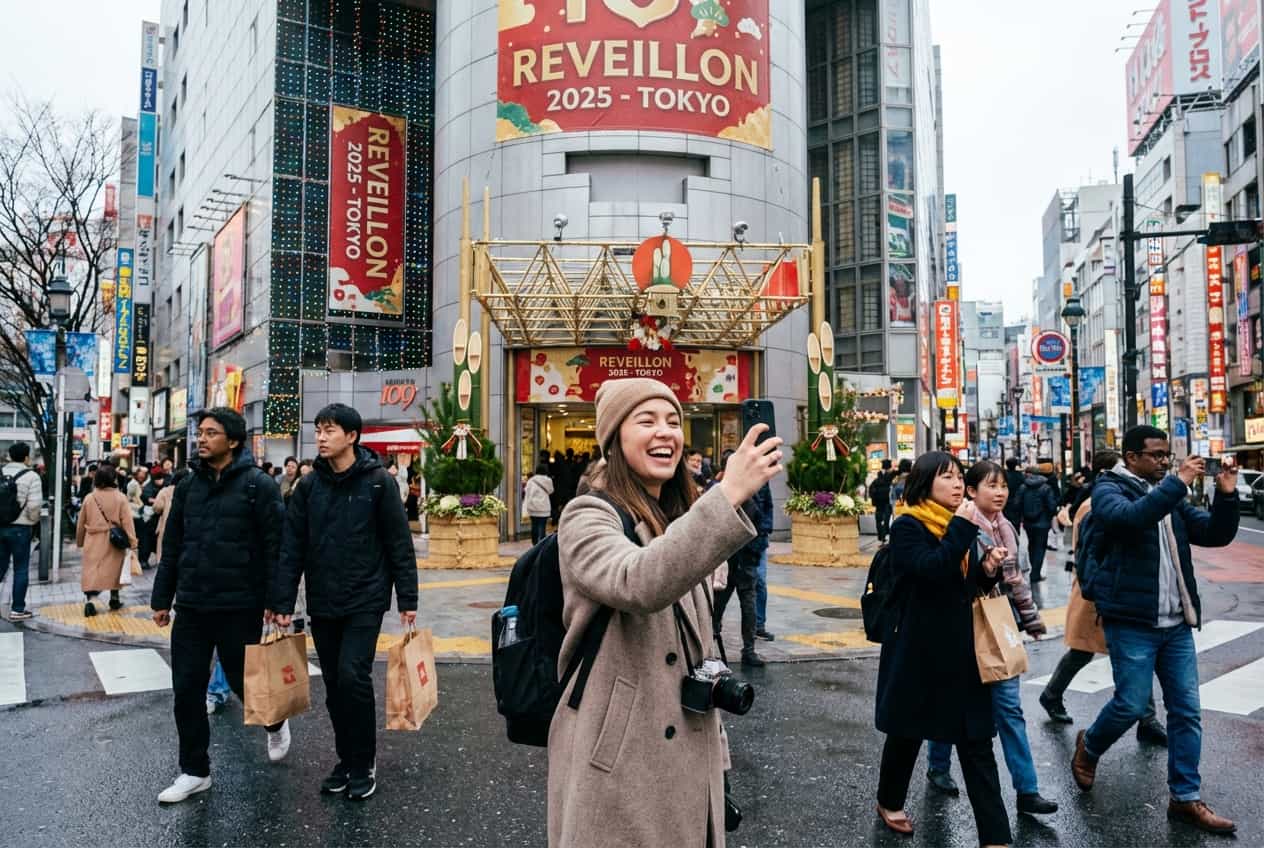
A calm, contemplative 3-day New Year (Reveillon) plan that balances Japan's neon nights with quiet traditional corners. Designed for a solo traveler who prefers safe, walkable neighborhoods, communal counter seating and small-group experiences to meet people. Winter-ready: layers, early starts to catch soft daylight, and activities chosen with Jan/early-Jan rhythms in mind.
Highlights
- Contemplative shrine and garden visits at dawn and dusk
- Walkable neon neighborhoods in Shinjuku and Ginza with solo-friendly counters and standing bars
- Historic Asakusa and Tsukiji market food walk to meet other travelers
- Old-Tokyo Yanaka & Kappabashi for slow-market shopping and craft hunting
- Tokyo Skytree skyline at dusk — neon-lit yet reflective
Explore all itineraries in Tokyo.
Itinerary
Day 1
Arrival, gentle afternoon garden walk, then evening neon + yakitori in busy, safe Shinjuku alleys.
Hotel check-in — base in Shinjuku
Settle into a centrally located, well-transited hotel so you can walk or take short subway rides all evening. Leave luggage, freshen up, and pick up a Suica/Pasmo card if you don't have one.
Tips from local experts:
- Ask reception for a quiet room away from the street and confirm late-night neighborhood safety; Shinjuku is busy and well-lit.
- Keep your coat and a compact umbrella in your daypack — January evenings are cold and occasionally breezy near stations.
- Buy or top up a Suica/Pasmo here so transit and many convenience-store purchases are contactless and faster.
Afternoon walk at Shinjuku Gyoen — quiet winter garden
A calming, accessible garden walk to acclimatize. Winter trees and open lawns offer soft light and space to reflect — a gentle contrast to Shinjuku neon.
- MondayClosed
- Tuesday9:00 AM – 4:00 PM
- Wednesday9:00 AM – 4:00 PM
- Thursday9:00 AM – 4:00 PM
- Friday9:00 AM – 4:00 PM
- Saturday9:00 AM – 4:00 PM
- Sunday9:00 AM – 4:00 PM
Tips from local experts:
- Buy the garden entry ticket on-site or at the automated gate; card payments are accepted at the main gate in winter but carry cash just in case.
- Paths are paved and stroller/wheelchair friendly on main loops — easy for slow solo pacing and photography.
- Sit in a sheltered bench area facing the pond for a quiet 10-minute meditation break; on clear days you can see Mount Fuji from parts of the garden.
Early yakitori dinner at a friendly counter — Torikizoku (Kabukicho branch)
Casual, affordable yakitori chain with counter and communal seating. Easy to order, good for solo diners who want lively but not overwhelming company.
Tips from local experts:
- Ask for a counter seat — it’s an easy way to chat briefly with staff and neighboring solo diners about recommendations.
- Order a small variety of skewers to share the flavour spectrum (and stretch your budget); many locations have English menus or picture menus.
- If you plan to visit Golden Gai afterwards, keep your receipt — staff will often welcome repeat solo customers with a smile.
Omoide Yokocho & Kabukicho neon walk — safe, bustling alleys
Wander the compact alleys of Omoide Yokocho and adjacent Kabukicho neon streets. These areas feel cinematic yet are busy and well-patrolled at night — ideal for contemplative neon photography with people around.
Tips from local experts:
- Stick to the main alleys and popular storefronts — they are crowded, well-lit, and staff are used to solo foreign visitors.
- Use coin lockers near Shinjuku Station to drop any larger daypack if you want to walk lightly and stop at multiple small bars.
- If you want short conversation, choose a counter spot at a yakitori stall in Omoide Yokocho — most owners are used to friendly, quick interactions.
Optional: Golden Gai — micro-bars with counter culture
If you’re feeling sociable, Golden Gai’s tiny bars offer intimate counter seats; perfect for quiet conversation with bartenders or other solo travelers. Choose one bar and stay awhile.
- MondayOpen 24 hours
- TuesdayOpen 24 hours
- WednesdayOpen 24 hours
- ThursdayOpen 24 hours
- FridayOpen 24 hours
- SaturdayOpen 24 hours
- SundayOpen 24 hours
Tips from local experts:
- Pick a bar with a clear English menu or a friendly-looking host; many bars have small cover charges so check the menu outside first.
- Go early (around 21:00) to get a counter seat without long waits; late-night buses and trains still run from Shinjuku — note last JR trains around midnight depending on line.
- Golden Gai is narrow; keep your belongings close and prefer well-trafficked bars to avoid feeling isolated.
Day 2
A traditional east-side day: Asakusa temple, Tsukiji food walk with a small-group tour to meet people, riverside gardens, and neon-dusk at Skytree.
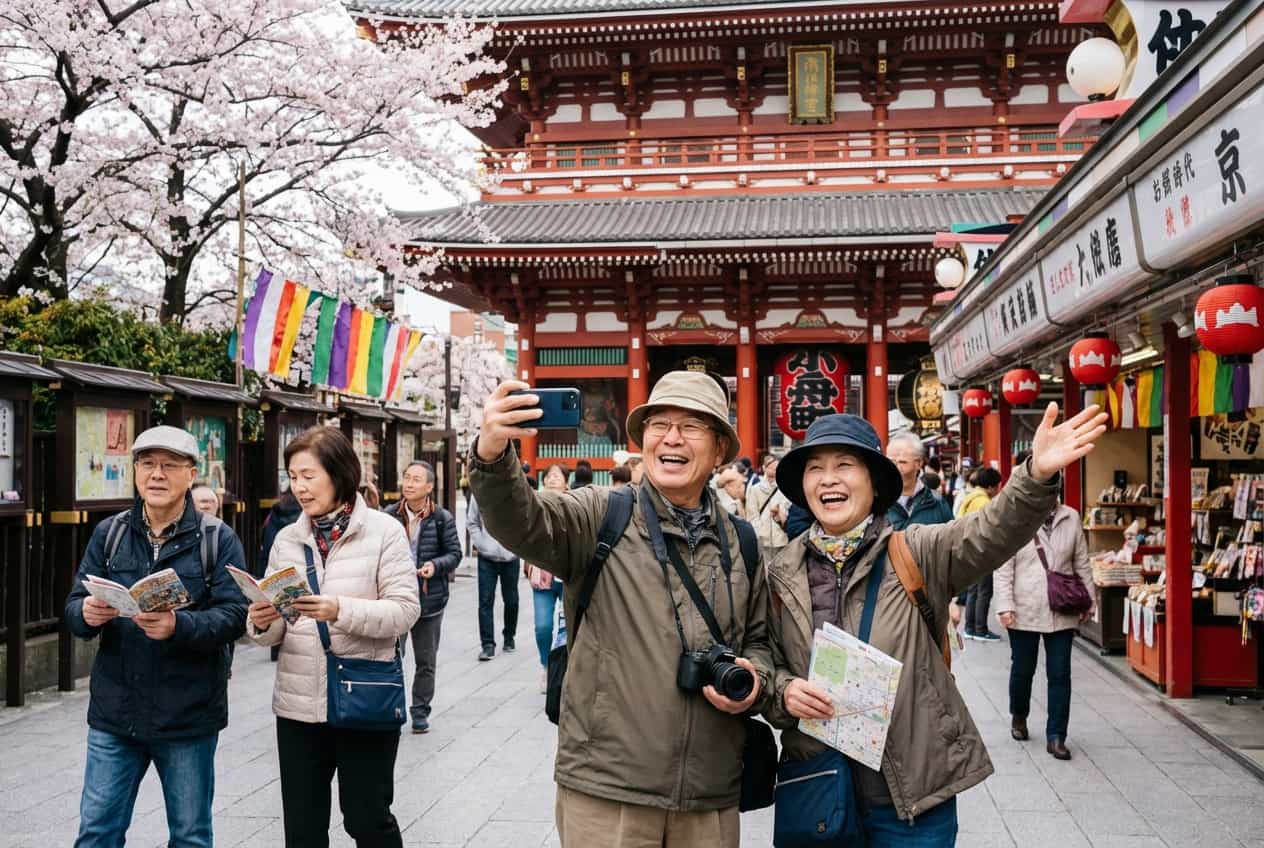
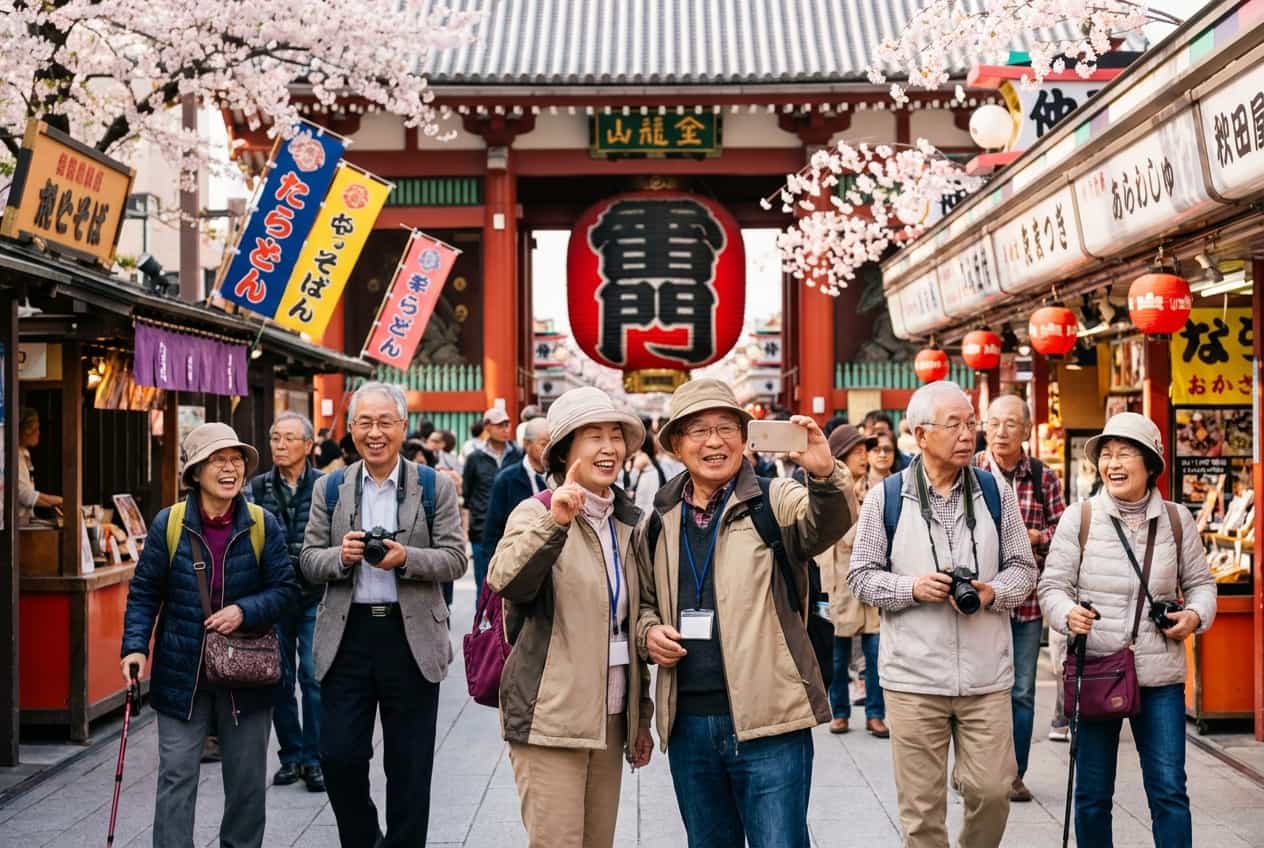
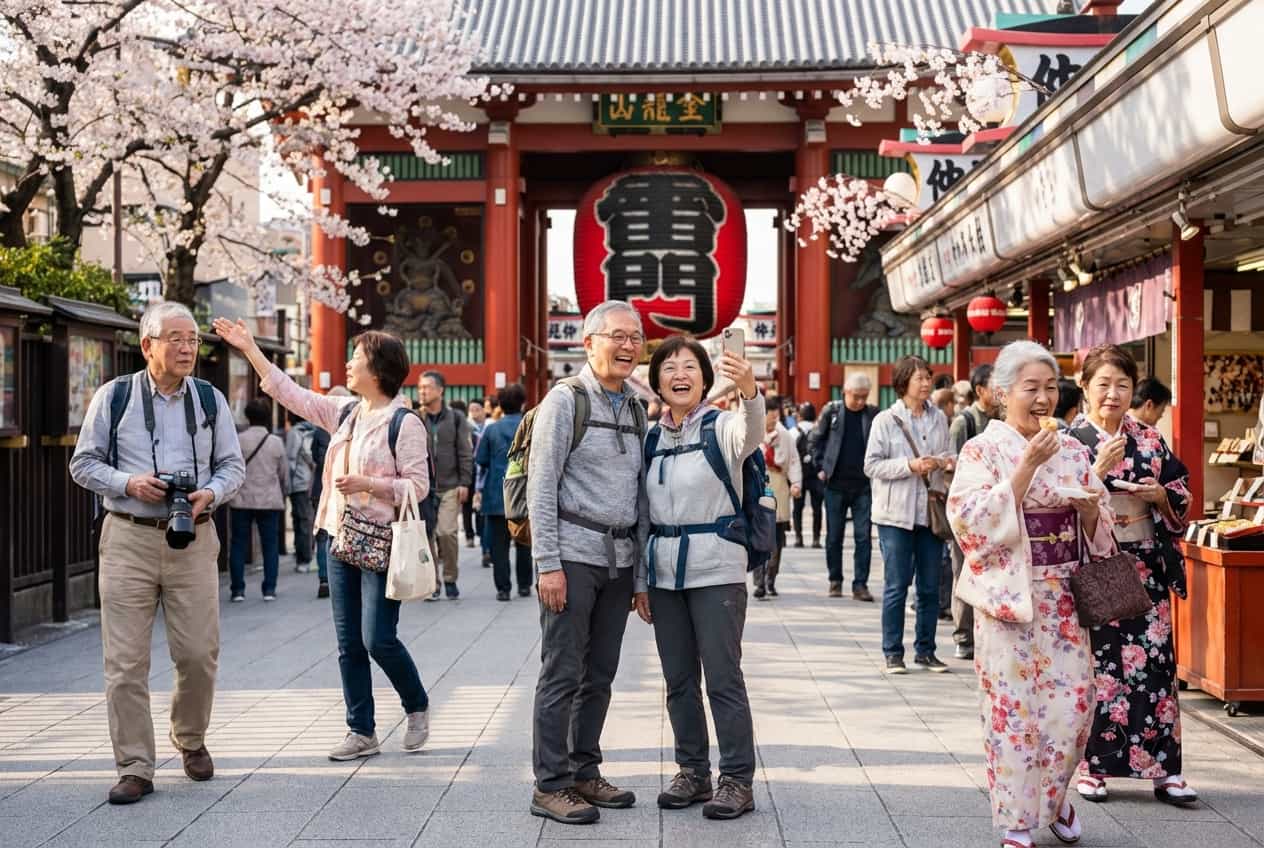
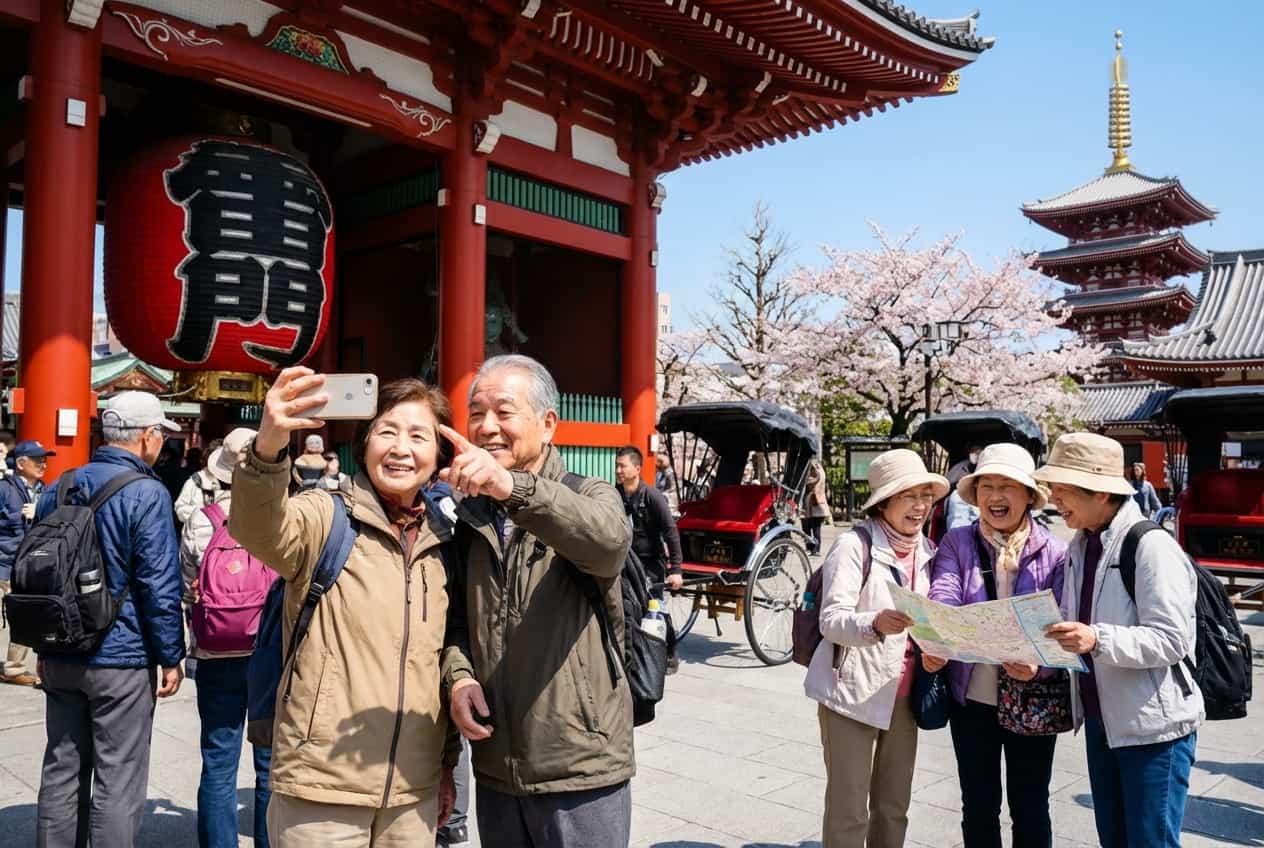
Morning temple walk — Senso-ji & Nakamise
Aim for early morning to enjoy a quieter Senso-ji and the atmospheric Nakamise shopping street. In winter the air is crisp and shrine visits feel contemplative.
Tips from local experts:
- Arrive by 8:00 to avoid the largest crowds and capture quiet, reflective photos of the temple gates.
- Wear layers and gloves — mornings are cold in January; a compact folding hand warmer helps when you linger outside.
- Nakamise has small food stalls; try a warm sweet (e.g., ningyo-yaki) at a standing counter for a quick solo snack and an easy ice-breaker with stall owners.
Tsukiji Outer Market food-walk (small-group) — meet fellow travelers
A guided or self-led food walk through Tsukiji's outer market — excellent for tasting seasonal seafood, tamago, and friendly vendor chats. Small tours are available and encourage group interaction.
Tips from local experts:
- If you join a small-group tour, confirm meeting point at 'Tsukiji Outer Market' and check if the tour provides tasting portions tailored for sampling several stalls.
- Carry a small hand sanitizer and wet wipes for street-food tasting; many stalls are standing-only so be ready to eat standing up or at communal counters.
- Buy a small snack to share — vendors are often happy to talk about their product, and a shared bite sparks short, friendly conversations with others.
Hama-rikyu Gardens — teahouse pause & river views
A compact, beautifully-laid garden near the bay with a teahouse inside. A restful winter stroll and a warm bowl of matcha in a sheltered teahouse is relaxing after market bustle.
- Monday9:00 AM – 5:00 PM
- Tuesday9:00 AM – 5:00 PM
- Wednesday9:00 AM – 5:00 PM
- Thursday9:00 AM – 5:00 PM
- Friday9:00 AM – 5:00 PM
- Saturday9:00 AM – 5:00 PM
- Sunday9:00 AM – 5:00 PM
Tips from local experts:
- Visit the park teahouse (Nakajima-no-Ochaya) for a warm matcha and sweet; sit facing the pond for a quiet reflective moment.
- Paths are mostly paved; if it’s windy along the seawater pond bring an extra layer as the bay breeze can be sharp in January.
- This garden is an easy walk or short taxi from Tsukiji — taxis are affordable for short hops and make carrying purchases easier.
Late-afternoon to dusk at Tokyo Skytree — skyline & neon reflection
Head to Tokyo Skytree for sunset-to-night views: the riverbank and Solamachi area combine neon lights with thoughtful urban vistas. The tower is dramatic at dusk and quieter on weekdays.
- Monday10:00 AM – 10:00 PM
- Tuesday10:00 AM – 10:00 PM
- Wednesday10:00 AM – 10:00 PM
- Thursday10:00 AM – 10:00 PM
- Friday10:00 AM – 10:00 PM
- Saturday9:00 AM – 10:00 PM
- Sunday9:00 AM – 10:00 PM
Tips from local experts:
- Buy a timed-entry ticket (if possible) to avoid long queues; dusk hours are the most photogenic and more contemplative than daytime crowds.
- Walk along the Sumida River promenade for quieter vantage points and warm up with street-side coffee or hot snacks before ascending.
- If you want company, the Solamachi shopping area often has small communal food halls where people eat side-by-side — easy, non-committal social contact.
Dinner at a standing sushi spot — quick, solo-friendly counter
Finish the day at a standing sushi bar near Tsukiji/Skytree area for fresh, affordable nigiri at counter-height — great for solo travelers who enjoy watching chefs at work.
- Monday11:00 AM – 11:00 PM
- Tuesday11:00 AM – 11:00 PM
- Wednesday11:00 AM – 11:00 PM
- Thursday11:00 AM – 11:00 PM
- Friday11:00 AM – 11:00 PM
- Saturday11:00 AM – 10:00 PM
- Sunday11:00 AM – 9:30 PM
Tips from local experts:
- Choose a standing sushi bar (tachigui) to save time and money; the counter setup makes it easy to ask the chef a question and get quick recommendations.
- If you’re unsure what to order, ask for the chef’s two-plate tasting set — it’s a compact way to sample specialties and invites small chat about ingredients.
- Two-person turnover is common; if the counter is full, asking politely usually earns a quick spot as people leave.
Day 3
Old-Tokyo neighborhoods, craft shopping, a hands-on class to meet people, and a quiet Ginza neon evening with standing-bar vibes.
Morning walk: Yanaka Ginza — old Tokyo charm
Stroll Yanaka Ginza's low-rise streets and small shops for a contemplative start. Winters are crisp; the neighborhood’s calm lanes feel like a quieter historical Tokyo.
Tips from local experts:
- Bring cash in small bills — many tiny shops prefer cash and will enjoy a friendly exchange with a solo customer.
- Try a warm street snack (croquette or yakitori) at a standing window and lean on the friendly communal bench — a low-pressure way to meet locals.
- Enjoy slower pacing here: sit in a small café and journal or sketch to make the experience reflective and less rushed.
Kappabashi Dougu Street — kitchenware & miniature craft hunting
Explore Kappabashi’s rows of cookware shops and plastic-food-sample stores; ideal for meaningful souvenirs and quiet browsing.
- Monday10:00 AM – 5:00 PM
- Tuesday10:00 AM – 5:00 PM
- Wednesday10:00 AM – 5:00 PM
- Thursday10:00 AM – 5:00 PM
- Friday10:00 AM – 5:00 PM
- Saturday10:00 AM – 5:00 PM
- SundayClosed
Tips from local experts:
- Most shops open mid-morning; try specialized knife shops for a quick chat about stump-grind vs. hand-sharpened options — great for a solo conversation starter.
- Bring a lightweight tote for small purchases like chopsticks or a plastic-sample magnet — many stores can wrap items securely for travel.
- Look for demonstration windows where artisans shape samples; watching a short demo is a relaxed way to connect with shop staff.
Hands-on small-group cooking class (Ginza) — meet others while learning
A beginner-friendly Japanese cooking or soba-making class in central Ginza — excellent for meeting other solo or small-group travelers in a structured setting.
- Monday10:00 AM – 10:00 PM
- Tuesday10:00 AM – 10:00 PM
- Wednesday10:00 AM – 10:00 PM
- Thursday10:00 AM – 10:00 PM
- Friday10:00 AM – 10:00 PM
- Saturday10:00 AM – 9:00 PM
- Sunday10:00 AM – 9:00 PM
Tips from local experts:
- Confirm in advance whether the class includes English instruction and whether it’s small-group — these classes often have a mix of locals and travelers.
- Wear layers and clothes you don't mind getting a little flour on for hands-on experiences — the instructors often encourage conversation during prep.
- Classes usually end with a shared meal; sit at the communal table to naturally meet other participants for light conversation.
Late-afternoon break & light shopping in Ginza — pause before evening
Take a slow coffee or tea in Ginza's calmer arcades; winter window displays and quiet department-store food floors are contemplative places to reflect and gather gifts.
- Monday10:00 AM – 8:00 PM
- Tuesday10:00 AM – 8:00 PM
- Wednesday10:00 AM – 8:00 PM
- Thursday10:00 AM – 8:00 PM
- Friday10:00 AM – 8:00 PM
- Saturday10:00 AM – 8:00 PM
- Sunday10:00 AM – 8:00 PM
Tips from local experts:
- Use department store basements (depachika) for small, beautifully-packaged snacks — they make affordable, meaningful souvenirs.
- Choose a café with counter seating facing the street to watch Ginza’s evening lights come alive while enjoying a warm drink.
- If tired, the department stores have clean, accessible restrooms and luggage storage options for small items.
Evening: Ginza 300BAR — affordable standing bar with communal vibe
A budget-friendly standing bar in Ginza with a lively, communal atmosphere. Ideal for solo travelers who want to sip and people-watch in a safe, busy setting.
- Monday4:30 – 10:30 PM
- Tuesday4:30 – 10:30 PM
- Wednesday4:30 – 10:30 PM
- Thursday4:30 – 10:30 PM
- Friday4:30 – 10:30 PM
- Saturday4:30 – 10:30 PM
- Sunday4:30 – 10:30 PM
Tips from local experts:
- Standing bars are perfect for short, solo-friendly stops — chat a little with the bartender or the group next to you about Tokyo tips.
- Try local single-serve snacks with your drink which makes conversation easy and keeps the evening light.
- Ginza is well-lit and well-connected late into the evening; check train schedules but know taxis are a reliable fallback for late returns.
Itinerary Attributes
| Days | 3 |
| Highlights | 5 |
| Season | - |
| Month | - |
| Persona | Solo |
| Transfers | - |
| Restaurants | 2 |
| Total Activities | 15 |
| Total Places | 15 |
| Activities Types | Hotel, Outdoor, Meal, Neighborhood, Nightlife, Attraction, Experience, Restaurant, Shopping, Break |
Why this experience
There's something profound about moving through Tokyo alone during New Year's. The city quiets differently than most travelers expect—temples and shrines fill with introspective worshippers, gardens frost softly with winter light, and neon pulses through otherwise empty streets at midnight. You'll stand in Meiji Jingu's sacred grounds at dawn, surrounded by pilgrims seeking fresh starts, then drift through Shibuya's electric emptiness as the year turns. The contrast isn't jarring; it feels necessary—tradition and modernity coexisting in the way only Tokyo manages.
This itinerary is built for solitude that never feels lonely. You'll move through crowded shrine visits without losing yourself in the crowd, sit in late-night ramen shops where solo diners blend seamlessly into the rhythm, and find quiet corners in the city's most energetic neighborhoods. The rhythm is intentional: contemplation by day, the city's secret heartbeat by night. You're not escaping Tokyo; you're seeing it as it truly is at its most reflective moment.
Best for travelers who find clarity in solitude, who want to witness a profound cultural moment without the tourist script, and who understand that the best travel stories happen when you're brave enough to explore alone.
Before you go
- Best time: Winter. The New Year period (late December through early January) is ideal—temperatures hover around 5–8°C, shrine visits peak with ceremonial energy, and the city transforms into a quieter version of itself.
- Budget: Check the booking widget for current tour pricing. Winter shrine visits and ramen meals are among Tokyo's most affordable experiences.
- Difficulty: Easy to Moderate. Lots of walking and standing in temples, but routes are accessible and you set your own pace. Winter footing can be slippery; wear appropriate shoes.
- What to bring: Warm layers (thermal underwear, wool coat), scarf, gloves, walking boots with grip, a journal for reflection, camera for night photography.
- Getting there: Start at Meiji Jingu shrine (nearest station: Meiji-Jingumae on Chiyoda line). Alternative starting point: central Tokyo station if you're arriving by train.
- Accessibility: Major shrines and stations have step-free routes. Many traditional spaces (temple grounds, narrow streets) have uneven surfaces. Winter moisture can make stone pathways slippery.
Frequently asked questions
Is it safe to travel solo at New Year's? Yes. Tokyo is very safe, especially during New Year's when police presence increases and crowds are respectful. Shrine visitors are in a meditative frame of mind. Nightlife areas (Shinjuku, Shibuya) are well-lit and busy, even late at night.
What's the weather like in winter? Expect 5–8°C during the day, sometimes dropping to 0–2°C at night. Rare snow in the city proper, but frost is common. Layers are essential. The cold is crisp and clear—ideal for temple visits and night photography.
What if I want to join group celebrations or meet other travelers? New Year's shrine visits naturally gather crowds of celebrants, and many ramen bars are social by nature. You'll meet locals and other solo travelers without forcing it. Tokyo's izakayas welcome solo diners as a matter of course.
What's included in this itinerary? This itinerary on TheNextGuide is free to read and follow at your own pace. Self-guided shrine visits are free or donation-based. Bookable experiences (shrine tours, ramen tastings, late-night walks) are optional and handled through the booking widget.
Complete your trip in Tokyo
This solitary winter journey through tradition and neon pairs well with other contemplative or night-focused experiences:
- Tokyo after-hours: ramen alleys and hidden izakayas (4-day food lover) — Night-focused food immersion, similar late-night rhythm
- Neon crossings and quiet shrines: Tokyo nights through a fast lens (4-day photographers) — Capture Tokyo's contrasts with photography, similar dual aesthetic
- Gentle autumn gardens, onsen, and easy transit (4-day seniors) — Contemplative, shrine-focused, slow-paced solitude (autumn alternative)
Browse all Tokyo itineraries at TheNextGuide.
Last updated: April 2026