Samurai Training in Tokyo: Swords, Bushido & Mental Discipline
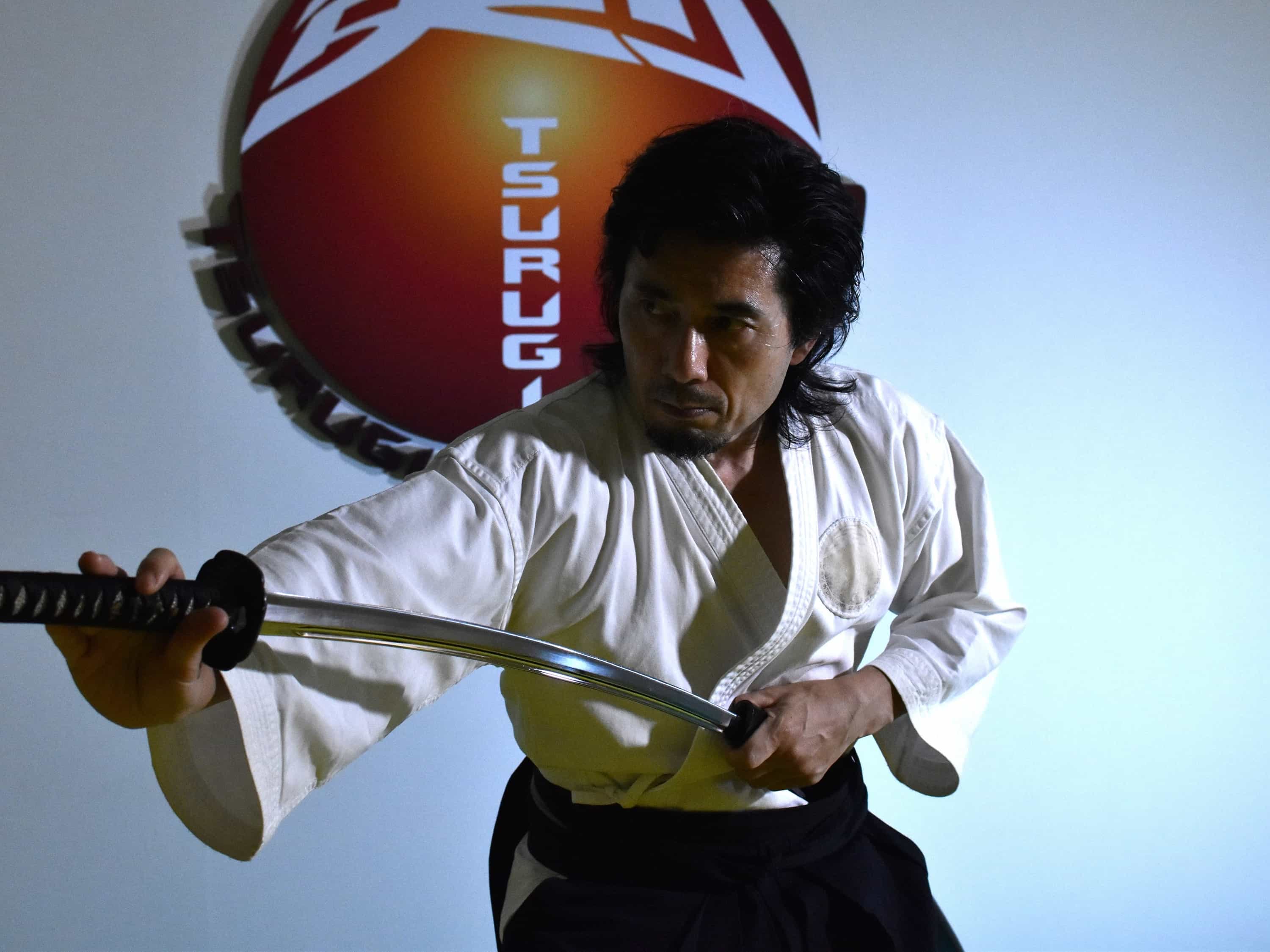
Two-hour, beginner-friendly samurai training in a traditional dojo in Kojimachi (Chiyoda City). Conducted in English. Learn samurai etiquette and Bushido, practice breathing and meditation, train wooden-sword and heavy-stick techniques, perform one-on-one sparring, enjoy matcha and wagashi, then receive a personalized scroll-style certificate and a commemorative photo. Minimum 2 participants; max
In Collaboration with 一般社団法人国際護身武道連盟. Updated on February 22, 2026.
This itinerary was created in collaboration with 一般社団法人国際護身武道連盟, inspired by the tour Samurai Training in Tokyo: Swords, Bushido & Mental Discipline. Please check the tour information during your booking process.
Highlights
- Traditional dojo training in Kojimachi (former Edo Castle inner grounds)
- Beginner-friendly lessons on Bushido, breathing, meditation, and posture
- Wooden sword drills, heavy stick conditioning, and one-on-one sparring
- Matcha green tea and traditional Japanese sweets during a short break
- Personalized scroll-style certificate and commemorative photo
Explore all itineraries in Chiyoda City.
Itinerary
Day 1
Full 2-hour samurai training session in Kojimachi, Chiyoda City
Arrival, check-in & samurai etiquette briefing
Meet at the dojo entrance, change into provided samurai attire, and receive an introduction to dojo etiquette and the philosophy of Bushido.
Tips from local experts:
- Arrive 10 minutes before the scheduled start to check in and change into the provided uniform; the session begins promptly.
- Kojimachi Station is the nearest subway access — plan to use it for the shortest walk to the dojo entrance.
- Remove shoes before entering the mat area and secure loose jewelry; the dojo provides a quiet changing space.
Breathing, seated meditation & posture work
Guided breathing exercises and short seated meditation to calm the mind, followed by posture and stance training essential to sword work.
Tips from local experts:
- Wear lightweight, stretchable clothing underneath the rental uniform to sit comfortably during meditation.
- If you have respiratory issues, notify the instructor before breathing exercises begin so they can offer modifications.
- There is a restroom in the building — use it before the active drills to avoid interruption.
Fundamental wooden-sword drills & heavy-stick conditioning
Learn core kata and basic cutting/thrusting mechanics with a bokken (wooden sword), plus strength-building exercises using a heavy practice stick.
Tips from local experts:
- Keep fingernails short and avoid loose accessories; instructors will ask you to remove anything that can catch on the weapon.
- If you have shoulder or back conditions, tell the instructor — lighter practice sticks or modified drills are available.
- Bring a small towel and wear breathable layers — the conditioning work raises body temperature quickly in a small space.
Practical combat techniques and one-on-one sparring
Progress to practical sword techniques taught by the instructor and apply them in supervised one-on-one sparring drills to practice timing and distance.
Tips from local experts:
- This segment is active and involves close contact; let the instructor know of any injuries or medical issues before sparring begins.
- Follow the instructor's safety signals and maintain controlled power — sparring is educational, not full-force combat.
- If you're new to physical contact training, ask for step-by-step guidance; instructors teach safe progression for beginners.
Matcha tea and traditional sweets break
A short, quiet break to enjoy authentic matcha green tea and wagashi (Japanese sweets) in the dojo's cultural setting while reflecting on the training.
Tips from local experts:
- If you have food allergies, notify the guide before the session — the sweets served are traditional but staff can advise on ingredients.
- Use this break to rehydrate with your own bottled water (not provided) — the activity excludes bottled water.
- Keep the break calm and respectful — this is a cultural moment in the dojo; photos are fine but avoid loud group chatter.
Certificate presentation, commemorative photo & debrief
Receive a personalized scroll-style certificate listing the techniques learned, take a commemorative photo with your instructor (in samurai attire), and finish with a short debrief.
Tips from local experts:
- Have your full name available as you want it to appear on the certificate; staff will confirm spelling during the debrief.
- If you'd like a group photo, ask the instructor or staff to take it — they routinely assist with smartphone photos.
- Allow a few minutes after the session for changing back into your street clothes and collecting personal items before leaving the building.
Itinerary Attributes
| Days | 1 |
| Highlights | 5 |
| Season | - |
| Month | - |
| Persona | Friends |
| Transfers | - |
| Restaurants | 1 |
| Total Activities | 6 |
| Total Places | 6 |
| Activities Types | Experience, Culture, Sport, Meal |
Samurai Training in Tokyo: Swords, Bushido & Mental Discipline
Why this experience
In Kojimachi — literally on the grounds of Tokyo's most famous fortress — you'll step into a traditional dojo and learn what shaped samurai warriors for centuries. Tokyo True Experience guides you through authentic sword practice, introduces the bushido code of honour and discipline, and teaches meditation techniques that samurai used to centre themselves before battle. By afternoon's end, you'll have held a katana, bowed to sensei tradition, and understood why this ethical framework still influences modern Japan. This isn't performance; it's real training in a real dojo, grounding philosophy in your muscles and breath.
Before you go
| Best time | Spring, autumn, and winter are ideal — the dojo can be warm during training, and cooler seasons mean comfortable practice temperatures; summer humidity is intense |
| Budget | Dojo fees are included with booking; budget extra for traditional tea if offered, light lunch after training, and comfortable clothes if you need to buy training-appropriate wear |
| Difficulty | Moderate — sword practice requires focus and arm strength, though no prior experience needed; meditation is gentle; expect 3–4 hours of standing and repetitive motion |
| What to bring | Loose, comfortable clothes (avoid stiff fabrics); clean socks (shoes removed in the dojo); a small towel for perspiration; and a respectful mindset |
| Getting there | Kojimachi is in central Tokyo, accessible by metro (Hanzomon or Chiyoda lines). The dojo is a 5–10 min walk from the station; exact address provided upon booking |
| Accessibility | The dojo has one small step at the entrance and requires sitting on the floor briefly during meditation; discuss mobility concerns when booking |
Frequently asked questions
Do I need martial arts experience to participate? No. The sensei teaches beginners step by step. Everyone starts with basic stance and sword handling; prior experience doesn't give you an advantage in this introductory format.
Will I actually hold a real sword? Yes. You'll use a bokken (wooden practice sword) initially for safety and control, then progress to handling a katana replica under close supervision. All practice is supervised and deliberate.
What's included in the experience? Instruction from Tokyo True Experience, use of practice equipment, dojo access, and guidance in meditation and bushido philosophy. Traditional tea or light refreshment may be included; confirm when booking.
Is this safe for beginners? Completely. The dojo environment is designed for learning, not combat. The sensei controls pace and difficulty; you're never put in a situation beyond your skill level.
What should I wear? Comfortable, loose clothes you can move in — think athletic wear or light layers. You'll remove shoes, so wear clean socks. Avoid tight jeans or anything restrictive.
Complete your trip in Chiyoda City
Combine samurai culture with history at Tokyo Castle & Imperial Palace — Shogun Walking Tour, explore Tokyo's hidden corners with 4 Hours Guided Tokyo Custom Tour, or refine your palate with Sake Omakase in Tokyo: Guided Tasting by Certified Sommeliers.
Browse all Chiyoda City itineraries at TheNextGuide.