Gentle 3-Day Kyoto: Cherry Blossoms, Shrines & Comfortable Culture for Seniors
A relaxed, accessible 3-day Kyoto itinerary in March (early spring) tailored for seniors and those using a walking stick or wheelchair. Short transfers, frequent rest breaks, step-free routes where possible, seat-rich gardens and shrine visits, and gentle cultural performances. Focus on cherry blossoms, scenic views, and calm dining.
Highlights
- Heian Shrine gardens and early cherry blossoms
- Arashiyama riverside & bamboo grove (short, low-step visits)
- Kinkaku-ji and Ryoan-ji — calm, seat-friendly gardens
- Accessible cultural performance in Gion (short show)
- Gentle tea ceremony / easy museum visit with seating
Explore all itineraries in Kyoto.
Itinerary
Day 1
East Kyoto: Heian Shrine, short Philosopher's Path stroll, museum visit and an accessible Gion cultural show. Plenty of bench breaks and calm meals.
Heian Shrine (Heian-jingu) & Its Garden — easy paths and cherry blossoms
Start the day at Heian Shrine's wide torii and the adjacent garden (Shin-en), known for early cherry blossoms in March. The shrine grounds are largely flat with wide paved approaches and multiple benches. Accessible routes to the main areas and restrooms are available.
- Monday6:00 AM – 5:00 PM
- Tuesday6:00 AM – 5:00 PM
- Wednesday6:00 AM – 5:00 PM
- Thursday6:00 AM – 5:00 PM
- Friday6:00 AM – 5:00 PM
- Saturday6:00 AM – 5:00 PM
- Sunday6:00 AM – 5:00 PM
Tips from local experts:
- Use the flat, paved approach from Okazaki Park to avoid steps; there are benches inside the garden every few minutes of walking.
- If using a wheelchair, enter via the main west approach (large torii) — it's step-free and has accessible restrooms near the park side.
- Visit early (09:30) before crowds for quieter seating spots and better photography of blossoms without long waits.
Short, gentle stroll on the Philosopher's Path (select 20–30 minute segment)
Walk a short, flat section of the Philosopher's Path near Heian Shrine to enjoy riverside cherry trees without committing to the full route. Choose a short segment with benches and cafes nearby.
Tips from local experts:
- Keep the walk to a short 30–45 minute segment—there are many benches by the canal for frequent rests.
- Pick the section near Nanzen-ji/Heian Shrine where the path is flatter and has nearby cafes if you need to sit in a warm place.
- Bring a light folding seat pad for more comfortable bench seating and for extra warmth in early March.
Lunch: calm dining in the Okazaki neighborhood
Lunch in the Okazaki area—many calm restaurants and cafes near the museums and shrine. Choose a restaurant with elevator access or ground-floor seating to minimize steps.
Tips from local experts:
- Ask for a ground-floor table or a table near the entrance to avoid stairs; many Okazaki cafés have step-free access.
- Try a tofu or soft noodle dish (easier to eat for seniors) — tell staff you prefer low-salt options if needed.
- If mobility is limited, ask the restaurant staff to hold a table close to the entrance when you arrive.
Kyoto National Museum — accessible galleries and plenty of seating
A calm cultural stop with good seating, elevators, and accessible restrooms. Short exhibits and benches make this a comfortable museum visit for seniors interested in Japanese art and artifacts.
- MondayClosed
- Tuesday9:30 AM – 5:00 PM
- Wednesday9:30 AM – 5:00 PM
- Thursday9:30 AM – 5:00 PM
- Friday9:30 AM – 8:00 PM
- Saturday9:30 AM – 5:00 PM
- Sunday9:30 AM – 5:00 PM
Tips from local experts:
- Take the museum elevator between floors; ask staff for a chair if a longer standing exhibit is busy.
- Wheelchair loans are often available at the entrance—ask the staff on arrival to save time.
- Plan for shorter gallery visits (60–90 minutes) with pauses on benches between rooms to avoid fatigue.
Return to hotel / rest break (short taxi or transit)
Head back to your hotel or a nearby resting spot for 60–90 minutes to refresh. Keep this transfer short by taking a taxi if mobility is limited.
Tips from local experts:
- Request a taxi at the museum entrance—staff can help and taxis reduce walking and standing time.
- Use this time for medication, hydration, and a light snack; hotels often welcome early-room rest requests for seniors.
- If using a wheelchair, confirm the taxi has space for it; many Kyoto taxis can fold seats to accommodate mobility devices.
Gion Corner — short cultural performance (about 1 hour show)
An easily digestible cultural program in Gion featuring short segments of traditional arts (tea ceremony demonstration, dance, puppet theater). The hall is compact with seating and typically accessible entrances.
- Monday5:30 – 8:00 PM
- Tuesday5:30 – 8:00 PM
- Wednesday5:30 – 8:00 PM
- Thursday5:30 – 8:00 PM
- Friday5:30 – 8:00 PM
- Saturday5:30 – 8:00 PM
- Sunday5:30 – 8:00 PM
Tips from local experts:
- Book seats in advance and request aisle or front-row seating to minimize stairs and give better accessibility.
- Arrive 10–15 minutes early to be seated comfortably and to use nearby restrooms before the show.
- Ask venue staff about elevator access—Gion Corner’s performance space has accessible seating areas; staff can assist on arrival.
Dinner in Gion — calm traditional sushi at Izuju (early seating)
Early, relaxed dinner in Gion at the historic sushi shop Izuju. Request a ground-floor table and avoid peak crowds for a quieter meal.
- Monday10:30 AM – 7:00 PM
- Tuesday10:30 AM – 7:00 PM
- WednesdayClosed
- ThursdayClosed
- Friday10:30 AM – 7:00 PM
- Saturday10:30 AM – 7:00 PM
- Sunday10:30 AM – 7:00 PM
Tips from local experts:
- Reserve an early table (around 19:45) and request a seat near the entrance to avoid narrow stairs.
- Choose softer sushi pieces (vinegared mackerel, pressed sushi) if chewing is a concern; staff are accommodating to senior needs.
- If mobility is limited, ask the restaurant to confirm step-free access when booking; Gion restaurants can often provide accessible seating alternatives.
Day 2
Arashiyama day with short visits: bamboo grove, Togetsukyo Bridge, Tenryu-ji gardens, river seating and a calm riverside lunch. Short transfers and bench breaks are emphasized.
Transfer to Arashiyama (short taxi or train ride)
Take a taxi or a short train to Arashiyama (taxi is recommended if mobility is a concern). This minimizes walking and stairs compared with some train routes.
Tips from local experts:
- Book a taxi from your hotel/desk to avoid carrying luggage or standing on platforms—taxis in Kyoto are courteous and can help with mobility devices.
- If taking the train, choose JR Sagano Line to Saga-Arashiyama Station (short walk) and ask station staff for elevator assistance.
- Have the driver drop you close to Togetsukyo Bridge to start with flat riverside terrain and benches.
Sagano / Arashiyama Bamboo Grove — short accessible stretch
Visit a short, manageable section of the bamboo grove (avoid long, crowded stretches). Stick to the main paved paths and enjoy nearby benches for rests and photos.
- MondayOpen 24 hours
- TuesdayOpen 24 hours
- WednesdayOpen 24 hours
- ThursdayOpen 24 hours
- FridayOpen 24 hours
- SaturdayOpen 24 hours
- SundayOpen 24 hours
Tips from local experts:
- Enter early to avoid the crowds; even a 30–45 minute focused visit gives a strong experience without long walking.
- Stay on the main paved lanes which are friendlier to walking sticks and wheelchairs; benches are located near the Tenryu-ji entrance.
- Bring a light scarf for wind or cool March mornings—some shaded areas remain chilly in early spring.
Togetsukyo Bridge & Riverside Seating — scenic, step-free viewing
Short riverside visit at the iconic Togetsukyo Bridge. Plenty of flat seating along the riverbanks and cafes nearby for tea.
- MondayOpen 24 hours
- TuesdayOpen 24 hours
- WednesdayOpen 24 hours
- ThursdayOpen 24 hours
- FridayOpen 24 hours
- SaturdayOpen 24 hours
- SundayOpen 24 hours
Tips from local experts:
- Sit on one of the many riverside benches to enjoy the view—these benches offer easy rest while watching river activity.
- If wheelchair-mounted, request a riverside cafe table with level access; many have small ramps or ground-floor seating.
- Ask vendors for tea or a warm drink—an easy way to rest and enjoy the river scenery between walks.
Tenryu-ji Temple — stroll the landscaped garden with benches
Tenryu-ji’s garden is a designated Historic Site and provides level, landscaped walks with many spots to sit and enjoy seasonal blossoms and mountain views. The main garden route can be enjoyed without steep climbs.
- Monday8:30 AM – 5:00 PM
- Tuesday8:30 AM – 5:00 PM
- Wednesday8:30 AM – 5:00 PM
- Thursday8:30 AM – 5:00 PM
- Friday8:30 AM – 5:00 PM
- Saturday8:30 AM – 5:00 PM
- Sunday8:30 AM – 5:00 PM
Tips from local experts:
- Use the main entrance and follow the paved garden circuit for minimal steps; there are multiple benches facing the central pond.
- Ask staff about the best route for wheelchairs—the garden circuit offers step-free options for most areas.
- Visit the garden first and skip indoor temple areas if steps are present to keep the visit light and comfortable.
Lunch: riverside soba or calm Arashiyama restaurant
Early, relaxed lunch at a river-view soba or similar restaurant—choose ground-floor seating with a view so you can rest and enjoy the scenery.
- Monday11:00 AM – 4:00 PM
- Tuesday11:00 AM – 4:00 PM
- Wednesday11:00 AM – 4:00 PM
- Thursday11:00 AM – 4:00 PM
- Friday11:00 AM – 4:00 PM
- Saturday11:00 AM – 5:00 PM
- Sunday11:00 AM – 5:00 PM
Tips from local experts:
- Reserve an early seating and request a table near the entrance to avoid narrow stairs.
- Order softer menu items if chewing is a concern (e.g., tempura set with soft rice or brothy soba).
- Mention mobility or dietary needs when booking—many establishments in Arashiyama are accustomed to senior visitors.
Leisurely riverside rest or gentle boat-view (short sit & watch)
After lunch, enjoy a restful riverside bench or terrace viewpoint—watch seasonal river traffic and cherry buds without strenuous activity.
- Monday9:00 AM – 3:00 PM
- Tuesday9:00 AM – 3:00 PM
- Wednesday9:00 AM – 3:00 PM
- Thursday9:00 AM – 3:00 PM
- Friday9:00 AM – 3:00 PM
- Saturday9:00 AM – 3:00 PM
- Sunday9:00 AM – 3:00 PM
Tips from local experts:
- Choose a riverside bench or cafe terrace with shade and back support for a comfortable 30–45 minute rest.
- If you're curious about sightseeing boats, watch from shore—boarding boats can be uneven, so shore viewing is safer for limited mobility.
- Carry a small thermos or bottled water to stay hydrated while seated—Kyoto can still be cool and dry in March.
Return transfer to central Kyoto (short taxi or train)
Take a short taxi or train back to central Kyoto and rest at your hotel. Taxis reduce walking and handling of steps.
Tips from local experts:
- If mobility is a concern, prioritize a taxi for the trip back—drivers will help with luggage and quick drop-offs.
- If taking the train, get assistance from station staff to use elevators and avoid stairs.
- Plan a 30–45 minute rest after returning to recuperate—March afternoons can be chilly once the sun dips.
Afternoon rest at hotel (quiet downtime)
Rest at the hotel or nearby cafe; allow 60–90 minutes to refresh before an optional early evening activity. Important to recharge after a morning of sightseeing.
Tips from local experts:
- Use this quiet time for a warm drink, medication, and to change into comfortable clothes for the evening.
- Ask hotel staff for a quieter lounge area if your room isn’t ready—many hotels have peaceful seating areas.
- If using a wheelchair, confirm elevator timings for a stress-free return to your room.
Optional: Minami-za Theatre or relaxed dinner (early evening)
If interested in another cultural experience, the historic Minami-za Kabuki Theatre occasionally offers accessible performances or short programs. Otherwise enjoy an early calm dinner near your hotel.
- Monday10:00 AM – 5:30 PM
- Tuesday10:00 AM – 5:30 PM
- Wednesday10:00 AM – 5:30 PM
- Thursday10:00 AM – 5:30 PM
- Friday10:00 AM – 5:30 PM
- Saturday10:00 AM – 5:30 PM
- Sunday10:00 AM – 5:30 PM
Tips from local experts:
- If you plan to see a show, book accessible seating in advance and confirm elevator or ramp access with the box office.
- Choose an early dinner (18:00–19:00) and request a quiet table to avoid late-night noise.
- If skipping the show, pick a restaurant with ground-floor seating; many station-area restaurants offer private booths for comfort.
Day 3
Northern Kyoto calm day: Kinkaku-ji and Ryoan-ji gardens, gentle Imperial Palace park stroll, and an accessible tea ceremony experience. Early dinners and short transfers prioritized.
Kinkaku-ji (Golden Pavilion) — paved routes and pond viewing
Visit the Golden Pavilion, where the main viewing path around the pond is paved and offers multiple bench viewing spots. The site can be busier—arrive early for a quieter experience.
- Monday9:00 AM – 5:00 PM
- Tuesday9:00 AM – 5:00 PM
- Wednesday9:00 AM – 5:00 PM
- Thursday9:00 AM – 5:00 PM
- Friday9:00 AM – 5:00 PM
- Saturday9:00 AM – 5:00 PM
- Sunday9:00 AM – 5:00 PM
Tips from local experts:
- Arrive early (09:00) to avoid crowds and to secure seating at the best viewing benches around the pond.
- The main path is paved and largely step-free; there are designated photo spots close to benches for comfortable viewing.
- If using a wheelchair, head straight to the main ticket gate and request staff assistance for the smoothest route.
Ryoan-ji — rock garden, quiet sitting areas and short paths
Ryoan-ji's rock garden is famous for meditative simplicity and has benches and flat areas to sit and reflect. The site is calm with short, easy routes between viewing points.
- Monday8:00 AM – 5:00 PM
- Tuesday8:00 AM – 5:00 PM
- Wednesday8:00 AM – 5:00 PM
- Thursday8:00 AM – 5:00 PM
- Friday8:00 AM – 5:00 PM
- Saturday8:00 AM – 5:00 PM
- Sunday8:00 AM – 5:00 PM
Tips from local experts:
- Find a bench inside the main viewing hall to admire the garden quietly—visits of 30–45 minutes are very rewarding.
- There is a paved approach and relatively compact grounds—ask staff for the most level route if mobility is limited.
- Use the quieter exit routes to avoid souvenir-shop crowds and to reach taxi pickup points faster.
Transfer to Kyoto Imperial Palace area (short taxi or bus)
Take a short taxi or accessible bus to the Kyoto Imperial Palace Park for a calm lunch and flat park stroll. The palace park has large flat lawns and many benches.
Tips from local experts:
- Taxi is easiest for door-to-door transfers—have the driver drop you at the palace park entrance for level access.
- If using public transit, ask station staff for elevator directions; the palace park is designed with wide, flat paths and benches.
- Use this transfer time to hydrate and use restrooms before the next walking segment.
Lunch near the Imperial Palace — calm cafe or restaurant with easy access
Enjoy a relaxed lunch near the palace park. Opt for ground-floor seating and a restaurant with a calm atmosphere to rest before an afternoon tea experience.
- MondayOpen 24 hours
- TuesdayOpen 24 hours
- WednesdayOpen 24 hours
- ThursdayOpen 24 hours
- FridayOpen 24 hours
- SaturdayOpen 24 hours
- SundayOpen 24 hours
Tips from local experts:
- Request a booth or table with back support and minimal walking from the entrance.
- Choose lighter dishes (simmered vegetables, rice bowls) to avoid post-meal fatigue and allow an easier tea session later.
- Confirm step-free restroom access when you book your table—many central Kyoto restaurants provide clear accessibility info.
Gentle stroll in Kyoto Imperial Palace Park — flat paths & benches
A leisurely stroll on wide, flat park paths with frequent benches and shade. This is a low-effort way to enjoy spring air and early cherry buds in a large, quiet park.
- MondayOpen 24 hours
- TuesdayOpen 24 hours
- WednesdayOpen 24 hours
- ThursdayOpen 24 hours
- FridayOpen 24 hours
- SaturdayOpen 24 hours
- SundayOpen 24 hours
Tips from local experts:
- Stick to the paved inner loops where benches and restrooms are most frequent.
- Bring a small blanket or seat pad if you like to sit on grassy areas for short rests—grass can still be damp in March.
- Use the park’s restroom facilities before continuing to the tea ceremony; accessible restrooms are available near main gates.
Accessible tea ceremony experience (Urasenke or similar) — calm cultural exchange
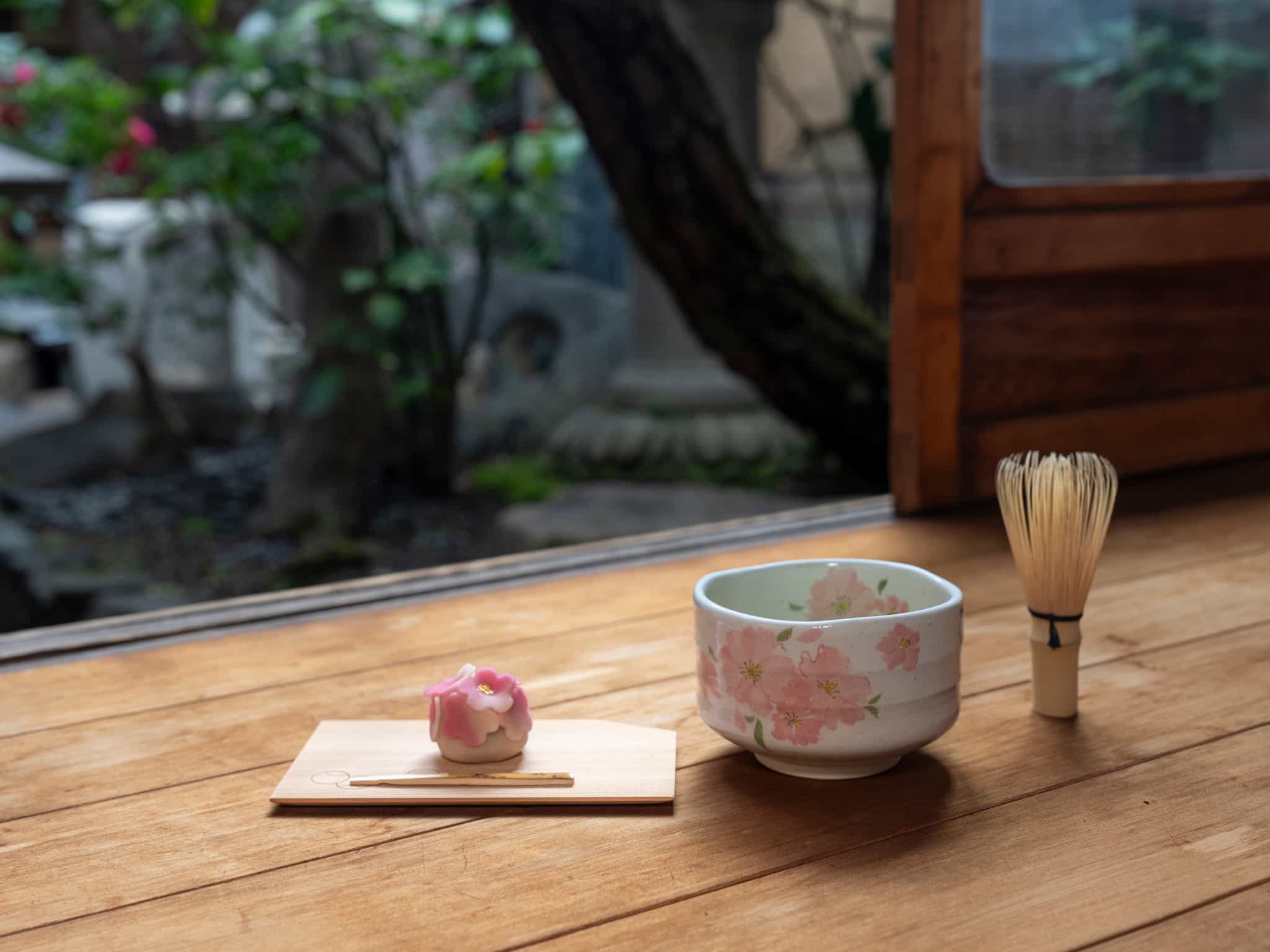
A short, senior-friendly tea ceremony experience with chairs or step-free tatami alternatives. Book a session that specifically notes wheelchair/limited mobility accommodations (Urasenke is a good contact).
- MondayClosed
- Tuesday9:30 AM – 4:00 PM
- Wednesday9:30 AM – 4:00 PM
- Thursday9:30 AM – 4:00 PM
- Friday9:30 AM – 4:00 PM
- Saturday9:30 AM – 4:00 PM
- Sunday9:30 AM – 4:00 PM
Tips from local experts:
- Book a session that explicitly offers chair-style seating or step-free options—mention a walking stick or wheelchair when booking.
- Arrive 10–15 minutes early to settle in; many tea schools will prepare a lower-effort version of the ceremony for seniors.
- Ask the host to explain movements before you stand—this avoids sudden standing or balance issues during the short ceremony.
Early final dinner in Pontocho (calm riverside dining) — choose ground-floor seating
Finish with an early, relaxed dinner in the Pontocho area—many restaurants offer calm atmospheres and river views. Ask for step-free seating when booking.
Tips from local experts:
- Reserve early (17:00–18:00) and explicitly request a ground-floor or level-access table.
- Choose smaller portioned set meals for easier eating; most restaurants can adjust dishes for softer textures.
- If mobility is limited, arrange taxi pickup from the restaurant entrance when you finish to avoid navigating narrow alleys.
Itinerary Attributes
| Days | 3 |
| Highlights | 5 |
| Season | Spring |
| Month | March |
| Persona | seniors |
| Transfers | 3 |
| Restaurants | 5 |
| Total Activities | 20 |
| Total Places | 20 |
| Activities Types | Attraction, Outdoor, Meal, Culture, Break, Restaurant, Transfer, Nightlife, Neighborhood, Experience |
Why this experience
You'll spend three days in Kyoto at a pace that honors your comfort, discovering the city's most beautiful and accessible highlights in spring when cherry blossoms frame every garden and pathway. Each day is designed with rest built in—no rushing from temple to temple, no crowded daytime tours. You'll visit Heian Shrine's gardens, walk the philosophical path lined with cherry trees, spend time at world-class museums, enjoy an evening show celebrating Kyoto's cultural traditions, and finish with private tea ceremony and kaiseki dining.
What makes this work for you is the rhythm. Morning activity, afternoon rest at your hotel, evening cultural experiences when you're refreshed. You'll see Kyoto's highlights—the Golden Pavilion, rock gardens, the Imperial Palace—but on your own terms, with time to absorb each place rather than photograph it and move on. Spring's mild temperatures and blooming trees mean the weather cooperates, and the slower pace lets you notice details that rushed visitors miss.
Best for seniors seeking the authentic heart of Kyoto without physical strain, or anyone who wants to experience this city deeply rather than broadly.
Before you go
- Best time: Spring (late March to early April) for cherry blossoms and mild temperatures. The timing aligns perfectly with the itinerary's focus on seasonal beauty.
- Budget: Check the booking widget for current tour pricing. Budget separately for meals not mentioned in the itinerary, metro/bus passes, and museum entries.
- Difficulty: Easy. Walking distances are manageable (2-3 km per day), mostly on flat ground with frequent rest stops. Museums and theaters provide indoor comfort.
- What to bring: Comfortable walking shoes with good support, light layer (spring weather varies), sunscreen, camera, small umbrella (spring rain possible).
- Getting there: This is a self-guided itinerary. You'll navigate Kyoto using metro, local buses, or taxis. Each day specifies meeting points and transportation details.
- Accessibility: Museums and theaters are accessible. Shrines and gardens vary—some have steps. You can modify the route if certain sites pose challenges.
Frequently asked questions
Can I do this itinerary in a different season? Yes, though spring is ideal. Autumn (November) offers similar conditions with maple colors instead of blossoms. Summer and winter are possible but less forgiving—summer is humid, winter requires more layering.
What if I want to skip some places or add others? This is a self-guided itinerary. You set the pace and can adjust based on your interests and energy. The structure is a suggestion, not a rule.
Will I need a tour guide? No. The itinerary is designed for independent travel. You can hire a private guide for any day if preferred, which might enhance understanding of temple history or art.
How much walking is actually involved? Approximately 2-3 km per day on mostly flat terrain. Walking is punctuated with rest at museums, tea ceremonies, and restaurants.
What's included in this itinerary? This itinerary on TheNextGuide is free to read and follow at your own pace. You'll be responsible for booking your own hotels, meals (except those specified), and entry fees to temples and museums. The itinerary is a detailed day-by-day guide with specific locations, walking routes, and timing.
Complete your trip in Kyoto
This 3-day spring itinerary works beautifully as a standalone or as part of a longer stay. Consider these complementary experiences:
- Kyoto in 3 Days - Maruyama Park cherry blossoms — Another senior-friendly 3-day spring itinerary with different focus spots
- Kyoto in 1 Day - Table-style matcha tea ceremony in a 150-year-old Kyoto machiya — Deepen your tea experience with a hands-on ceremony
- Kyoto in 2 Days - Easy walks, trains & play — Another accessible 2-day itinerary if you need shorter days
Browse all Kyoto itineraries at TheNextGuide.
Last updated: April 2026