Imperial Palace Historical Walking Tour with an expert guide
Meet your guide at the Imperial Palace area for a focused, 2-hour historical walk around the key remains of Edo Castle and the Imperial Palace grounds. The guide will explain hidden historical details, point out surviving structures from the Edo period, and pause at quiet viewpoints and gardens. Meeting point (use to arrive at site): Starbucks Coffee - Kokyo Gaien Wadakura Fountain Park (Kokyo Ga-
In Collaboration with Fantasy Travel. Updated on February 13, 2026.
This itinerary was created in collaboration with Fantasy Travel, inspired by the tour Imperial Palace Historical Walking Tour with an expert guide. Please check the tour information during your booking process.
Highlights
- Ōtemon (main) gate entrance to the Imperial Palace area
- Imperial Palace East Gardens (traditional Japanese garden)
- Edo Castle ruins and defensive structures
- Historic guardhouse, armory and castle model displays
Explore all itineraries in Chiyoda City.
Itinerary
Day 1
Start of the 2-hour guided walk. Total walking time is paced with frequent short stops and seating opportunities; see each stop for accessibility notes.
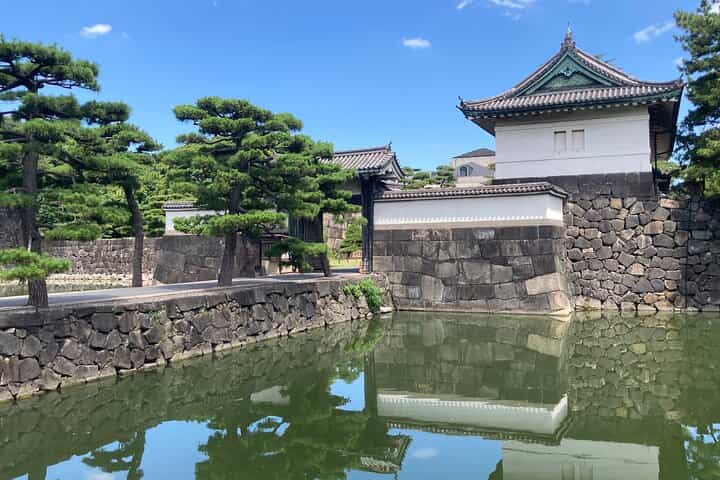
Ōtemon (main) gate — entrance to the Imperial Palace area
An historic entrance to the Imperial Palace grounds and one of the oldest remaining gates in the area. The guide will introduce the area's layout and the gate's role in Edo-period defenses.
Tips from local experts:
- Arrive 5–10 minutes early to meet at the outer side of the gate; surfaces here are flat and wheelchair-friendly for short distances.
- Public restrooms and benches are available a short walk east at Kokyo Gaien Wadakura Fountain Park if needed.
- Small security checks can occur near entrances; keep bags small and pockets accessible for quicker inspections.
Imperial Palace East Gardens — traditional Japanese garden
Visit the East Gardens area (Kokyo Higashi Gyoen) to view surviving landscape features and garden design connected to the former Ninomaru and other castle precincts.
Tips from local experts:
- The East Gardens have gravel and stone paths—wear comfortable, supportive shoes to reduce slip risk.
- Benches and shaded areas are available near the main garden routes; plan short seated breaks if needed.
- The gardens have fixed opening hours; if you have mobility needs, ask the guide to plan the shortest accessible route through the garden.
Traditional tea-house area (within palace grounds)
Short stop at a tea-house area within the palace landscape where the guide will explain the cultural context of tea spaces in castle gardens.
Tips from local experts:
- Paths around tea-house areas can be narrow and uneven; use handrails where provided and travel at a gentle pace.
- Seats are limited—if you need to sit frequently, notify the guide who will prioritize accessible spots.
- Photography is generally allowed from paths; avoid entering private or cordoned areas without guide permission.
Edo Castle ruins — viewpoint and surviving scenery
Stop at a viewpoint to examine the visible remains of Edo Castle's foundations and discuss the castle's historical footprint through maps and on-site interpretation.
Tips from local experts:
- The viewpoint includes informational plaques—the guide will point these out, but bring a hat for sun protection if sunny.
- Stone steps may be present to reach vantage points; if stairs are difficult, ask the guide for a nearby alternative viewing spot.
- The area can be windy on exposed sections—bring a light layer to stay comfortable.
Old armory (Edo period armory site)
Visit an area that once housed armory functions during the Edo period; the guide will explain the military and logistical role of these buildings.
Tips from local experts:
- This stop is primarily for viewing from paths; avoid stepping onto grassed or roped-off areas.
- Seating near this area is limited—consider using a personal folding seat if you need frequent rests.
- If you use a mobility aid, inform the guide in advance so they can choose the most accessible viewing point.
Castle-style sky deck (viewing platform)
Short pause at a raised platform area that affords castle-like views across parts of the grounds and surrounding city.
Tips from local experts:
- The sky deck may involve a small number of steps—use handrails and request an alternative lower viewpoint if needed.
- Keep to designated platforms and railings for safety; supervision is recommended for anyone using mobility aids.
- Carry a small bottle of water; short rests on nearby benches help manage fatigue.
Former Edo castle main area (general historic site)
Guide discusses the former main castle structures and their transformation to the current Imperial Palace layout.
Tips from local experts:
- This section is mainly interpretive—ask the guide for clarification if any historical terms are unfamiliar.
- Most routes here are level but may have short ramps; let the guide know about any mobility constraints.
- Keep personal items close during stops; narrow pathways can get busy with other visitors at peak times.
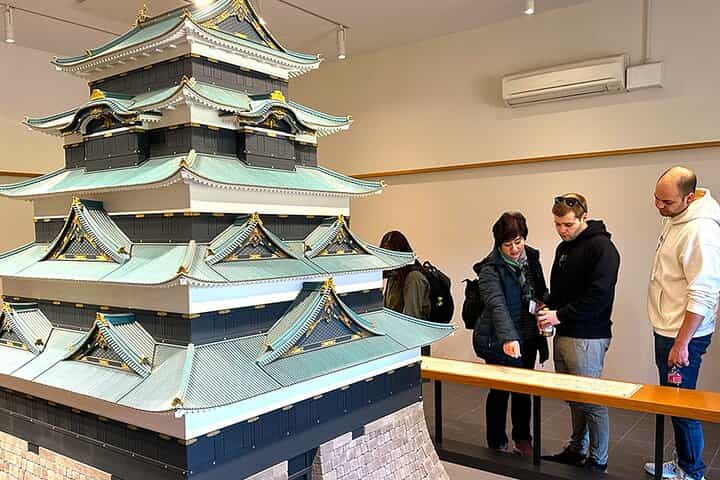
Model of Edo Castle
View a scale or structural model used to explain Edo Castle's layout and defenses; the guide will use the model to tie together earlier stops.
Tips from local experts:
- The model provides a compact visual summary—stand at the recommended viewing points to see labeled features clearly.
- Avoid touching the model unless signage explicitly allows it; the guide will indicate permitted interactions.
- If the area is crowded, the guide will manage small group rotations so everyone can see comfortably.
Old security guardhouse for Edo Castle
Final stop at an historic guardhouse site; the guide will summarize security practices and changes from the Edo period to modern times.
Tips from local experts:
- The guardhouse area is a good place to conclude with a final seated rest—use available benches before dispersing.
- Guide will advise on the best route back to public transit or the original meeting point depending on mobility needs.
- If continuing independently, follow the guide's directions toward Kokyo Gaien or nearby subway stations for the easiest exit.
Itinerary Attributes
| Days | 1 |
| Highlights | 4 |
| Season | - |
| Month | - |
| Persona | Seniors |
| Transfers | - |
| Restaurants | - |
| Total Activities | 9 |
| Total Places | 9 |
| Activities Types | Culture, Outdoor, Attraction |
Imperial Palace Historical Walking Tour with an Expert Guide
Why this experience
The Imperial Palace isn't just a building — it's a living symbol of Japan's transformation from feudal samurai rule through devastating war to modern constitutional monarchy. Your expert guide walks you through centuries compressed into palace architecture, landscape design, and historical narrative. You'll understand the shogunate's power through Edo Castle's defensive genius, trace how emperors have shaped — and been shaped by — Japanese history, and see the modern Imperial family's presence in quiet spaces designed for privacy and dignity. The palace grounds are peaceful, meticulously maintained, and filled with stories that explain how Japan became Japan.
Before you go
| Best time | Spring brings cherry blossoms framing the palace grounds; autumn offers crisp weather and vibrant foliage. Summer is hot and humid; winter is mild but occasionally rainy |
| Budget | Guided access is included; budget extra for lunch near the gardens, optional photo permits if capturing professional images, or tea if offered |
| Difficulty | Easy to moderate — mostly flat paths with some stairs in the gardens; fully paved and well-maintained throughout |
| What to bring | Comfortable walking shoes, sun protection, a light jacket for temperature changes, and a refillable water bottle |
| Getting there | Tours typically depart from Otemachi or Hibiya stations (central Tokyo, 15 min by metro). Confirm exact meeting point when booking |
| Accessibility | Most pathways are wheelchair-friendly; the gardens have some gravel sections. Confirm specific mobility needs with your guide for route adjustments |
Frequently asked questions
How long is the tour? Typically 3–4 hours, depending on depth of discussion and photo stops. The expert guide adjusts pacing based on group interest.
Do I need background knowledge of Japanese history? No. Your expert guide provides context for every era and explains significance as you walk. Coming with curiosity is enough; the guide educates as you explore.
What parts of the palace can we access? You'll walk the East Gardens, outer grounds, and around the palace exteriors. The Imperial residence itself remains private, but the surrounding areas reveal architectural and historical insights.
What's included in the experience? Your expert guide, palace grounds access, historical commentary, and walking route. Entry fees are typically waived or minimal; clarify when booking. TheNextGuide ensures guides with deep historical expertise and clear English communication.
Can I take photos? Yes. The gardens and exterior palace areas are photogenic and photo-friendly. Avoid photographing any private areas or Imperial family members if present, though such encounters are extremely rare.
Complete your trip in Chiyoda City
Deepen your historical immersion with samurai training at Samurai Training in Tokyo: Swords, Bushido & Mental Discipline, explore the city's neighbourhoods with 4 Hours Guided Tokyo Custom Tour, or contrast history with modern Tokyo at Daikoku Parking Tokyo Drift & APIT Car Meet JDM Culture Tour.
Browse all Chiyoda City itineraries at TheNextGuide.